

¡Saludos, querida comunidad de Green Zone!
Hoy quiero invitarlos a un diálogo que para mí siempre ha sido marcadamente motivante y nunca exento de curiosidad y hasta puedo decir que de misterio. Está referido a la historia de la psicofarmacología.
Tal vez para los que no están familiarizados con los temas de la salud mental en un primer momento les parezca algo poco interesante, pero les puedo asegurar que es sólo en apariencia. No puede ser para nada aburrida una historia donde se involucran la ciencia, el misterio, bastante de sufrimiento humano, la ignorancia, el arte, la valentíay la epopeya y la esperanza que habré tantas puertas...
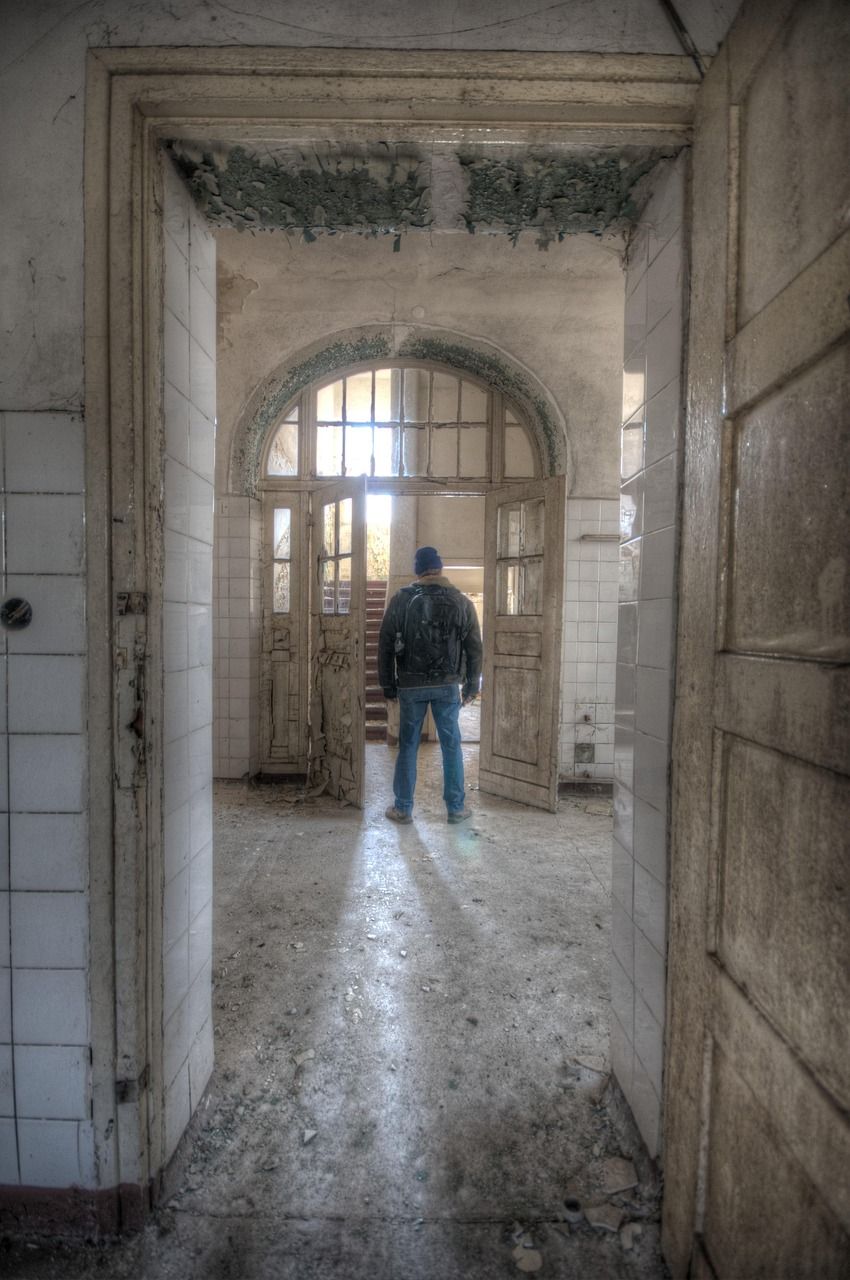
Parece rara esa perspectiva que tengo, estoy de acuerdo, pero les demostraré que no...
Les aseguro que cuando uno comienza a comprender cómo actúan los medicamentos en el cuerpo, descubre algo que, a alguien que antes de ser médico, se enamoró de la poesía y el arte, no puede resultarle demasiado distinto de la poesía, de la poesía, la filosofía y cada nuevo conocimiento que se adquiere es un detonante para la curiosidad de adentrarse con entusiasmo a saber más sobre cómo
cada fármaco tiene un receptor esperando por él, como si la biología hubiese dejado preparadas pequeñas cerraduras desde tiempos inmemoriales, aguardando siglos hasta que la ciencia encontrara las llaves correctas.

Receptores que estaban ahí desde que el ser humano camina sobre la tierra, silenciosos, pacientes, listos para que un día pudiéramos aliviar el sufrimiento mental.
Y es precisamente esa historia — mágica, dolorosa, luminosa y oscura a la vez— la que quiero comenzar a compartir con ustedes en esta serie de publicaciones. Voy a ir por partes, voy a empezar a contarles que:

Antes de la ciencia se pensaba en demonios, hogueras y sangrías, pues durante siglos, lo que hoy llamamos enfermedad mental estuvo envuelto en un halo de misterio y temor. Quien sufría delirios, depresiones profundas o crisis de angustia era visto como poseído, maldito, brujo o bruja.
Ahí están, como testimonio artístico y dolorosamente humano, obras como "Las brujas de Salem", que retratan la crueldad con que se trató a quienes simplemente padecían un trastorno mental. Sangrías, encadenamientos, exorcismos, aislamiento… una larga lista de prácticas que hoy nos parecen inhumanas, pero que durante siglos fueron la norma y no la excepción.

Y sin embargo, incluso en medio de esa oscuridad, surgieron luces. Pinel, liberando a los enfermos de sus cadenas.
Tuke, Esquirol, y tantos otros que apostaron por la dignidad humana cuando la dignidad parecía un lujo.
Luego por suerte llegó 1952, el año en que la psiquiatría cambió para siempre. El año en que Delay y Deniker descubrieron los efectos de la clorpromazina, el primer psicofármaco moderno.
Lo que durante siglos había sido misterio, superstición y sufrimiento comenzó a transformarse en ciencia, en comprensión, en posibilidad real de tratamiento.

Ese descubrimiento abrió la puerta a una revolución que continúa hasta hoy y que para mayor suerte y justicia, va desde la clorpromazina hasta los fármacos modernos siendo llaves para viejas cerraduras, aunque eso de llave tómenlo sólo como una metáfora porque, tanto llave como cerradura, en farmacología son procesos dinámicos y no estáticos. Pero esto último se los explico en un próximo post, se los prometo.
Después de la clorpromazina vinieron muchos otros medicamentos, cada uno afinando un poco más la capacidad de regular neurotransmisores y devolver equilibrio al funcionamiento psíquico.

Entre ellos, tres ejemplos que ilustran cómo ha evolucionado esta historia y esos tres ejemplos se los pongo por puro azar, son tres medicamentos que un paciente me los acaba de donar porque él ya no los usa y solidariamente pensó en que tal vez lo pueda prescribir a otros pacientes, lo que de hecho podré hacer.
Se trata de la mirtazapina, que actúa modulando la noradrenalina y la serotonina, ayudando a restaurar ritmos de sueño, apetito y ánimo. El otro es la trazodona, que además de su efecto sobre la serotonina, aporta un perfil sedante útil en ciertos cuadros donde la falta de sueño hace de las suyas. perdido. Y el tercero, ya peina canas pero no ha perdido efectividad, es la nortriptilina, heredera de los tricíclicos clásicos, que sigue siendo valiosa en la regulación del ánimo gracias a su acción sobre la noradrenalina.

Como debe ser, aclaro que no menciono estos fármacos para que nadie los utilice sin supervisión —eso jamás— sino como parte de esta historia fascinante de cómo la ciencia fue encontrando herramientas para aliviar el sufrimiento humano.
Amigos míos, no es porque sea la profesión que elegí, el honor es de ella no mío, la Psiquiatría es una especialidad que es punto de encuentro con todas las demás especialidades médicas y con otras ciencias y artes humanos.

La psiquiatría fue la última en incorporarse formalmente a las ciencias médicas, y sin embargo, paradójicamente, más del 70% de los pacientes que acuden al médico presentan síntomas psicológicos en sus cuadros clínicos. Además partir de los estudios relacionados con esta especialidad se encuentra un abordaje, un salto gigante que dio el reconocimiento de las enfermedades psicosomáticas al desarrollo de la medicina.
Y estoy seguro que por lo anterior la Psiquiatría es, de todas las especialidades, la que más dialoga con otras ciencias: Biología, Sociología, Antropología, Filosofía… y por supuesto, con el Arte y la literatura, que desde siempre han sido testimonios del paso de los seres humanos por la existencia.

Mi querida comunidad Green Zone, esto es sólo el comienzo. Me complace haberles escrito este que concibo como el primer capítulo de una serie que partiendo de la historia de la Psiquiatría irá más allá, mucho más allá, con historias de vida, científicas y culturales que cuenten cómo fue que la humanidad pasó de la barbarie a la civilización, de la hoguera y los malos tratos al laboratorio, del manicomio al hospital con su comunidad terapéutica interactuando con la reinserción social de seres con dignidad plena como todo ser humano, historias de cómo y cuando pasamos del estigma social a la comprensión y del miedo a la esperanza.

Historias humanas, científicas, culturales… historias que muestran cómo hemos pasado de la hoguera al laboratorio, del estigma al entendimiento, del miedo a la esperanza tan verde como nuestra comunidad. Hasta muy pronto amigos, gracias por leerme y por todo el apoyo que me puedan dar.

Texto de mi autoría, libre de IA.
Imágenes del archivo libre de Pixabay.
English version
"The Fascinating History That Changed Psychiatry Forever”

Greetings, dear Green Zone community.
Today I want to invite you into a conversation that has always been deeply motivating for me—one never lacking curiosity and, I might even say, a touch of mystery. It’s about the history of psychopharmacology.
Maybe for those who aren’t familiar with mental health topics, it might seem at first like something not particularly interesting, but I assure you that’s only on the surface. A story that involves science, mystery, a great deal of human suffering, ignorance, art, courage, epic struggles, and the hope that opens so many doors… there’s no way that can be boring.
I know my perspective may sound strange, I agree, but I promise I’ll show you why it isn’t.
I assure you that when one begins to understand how medications act in the body, one discovers something that, for someone who fell in love with poetry and art long before becoming a doctor, doesn’t feel so different from poetry itself—from poetry, philosophy—and each new piece of knowledge becomes a spark that ignites the curiosity to dive deeper with enthusiasm into how
each drug has a receptor waiting for it, as if biology had prepared tiny locks since time immemorial, patiently waiting centuries for science to find the right keys.
Receptors that have been there since human beings first walked the earth—silent, patient, ready for the day we might finally ease mental suffering.
And it is precisely that story—magical, painful, luminous and dark all at once—that I want to begin sharing with you in this series of posts. I’ll go step by step, starting with this:
Before science, people thought in terms of demons, bonfires, and bloodletting.
For centuries, what we now call mental illness was wrapped in an aura of mystery and fear.
Anyone suffering from delusions, deep depressions, or panic crises was seen as possessed, cursed, a witch or sorcerer.
There they are, as artistic and painfully human testimony, works like The Crucible, portraying the cruelty inflicted on people who were simply living with a mental disorder. Bloodletting, chains, exorcisms, isolation… a long list of practices that today seem inhumane, yet for centuries were the rule, not the exception.
And yet, even in the midst of that darkness, lights emerged.
Pinel, freeing patients from their chains.
Tuke, Esquirol, and so many others who defended human dignity when dignity seemed like a luxury.
Then, fortunately, came 1952—the year psychiatry changed forever. The year Delay and Deniker discovered the effects of chlorpromazine, the first modern psychotropic medication.
What for centuries had been mystery, superstition, and suffering began to transform into science, understanding, and the real possibility of treatment.
That discovery opened the door to a revolution that continues today and that, thankfully and justly, spans from chlorpromazine to modern medications—keys for ancient locks, though take “key” only as a metaphor, because in pharmacology both the key and the lock are dynamic processes, not static ones. But I’ll explain that in a future post, I promise.
After chlorpromazine came many other medications, each one refining our ability to regulate neurotransmitters and restore balance to mental functioning.
Among them, three examples that illustrate how this story has evolved—and I mention these three purely by chance. A patient just donated them to me because he no longer uses them and generously thought I might prescribe them to others, which I indeed will be able to do.
There’s mirtazapine, which modulates norepinephrine and serotonin, helping restore sleep, appetite, and mood rhythms. Then trazodone, which—besides its effect on serotonin—offers a sedating profile useful in cases where lack of sleep wreaks havoc. And the third, already gray-haired but still effective, is nortriptyline, heir to the classic tricyclics, still valuable for mood regulation thanks to its action on norepinephrine.
As it should be, I clarify that I’m not mentioning these medications for anyone to use them without supervision—never that—but as part of this fascinating story of how science found tools to ease human suffering.
My friends, it’s not because it’s the profession I chose—the honor belongs to the profession, not to me—but Psychiatry is a specialty that intersects with all other medical specialties and with other human sciences and arts.
Psychiatry was the last to formally join the medical sciences, and yet, paradoxically, more than 70% of patients who visit a doctor present psychological symptoms in their clinical picture. And from the studies related to this specialty came a giant leap: the recognition of psychosomatic illnesses and their role in the development of medicine.
And I’m certain that for this reason Psychiatry is, of all specialties, the one that dialogues the most with other sciences: Biology, Sociology, Anthropology, Philosophy… and of course, with Art and literature, which have always borne witness to the human journey through existence.
My dear Green Zone community, this is only the beginning. I’m delighted to have written what I see as the first chapter of a series that, starting from the history of Psychiatry, will go much further—much, much further—with life stories, scientific and cultural stories that show how humanity moved from barbarism to civilization, from bonfires and mistreatment to laboratories, from asylums to hospitals with therapeutic communities working toward the social reintegration of people with full dignity, like any human being. Stories of how and when we moved from social stigma to understanding, and from fear to hope.
Human stories, scientific stories, cultural stories… stories that show how we’ve gone from the bonfire to the laboratory, from stigma to comprehension, from fear to hope—hope as green as our community.
See you very soon, my friends. Thank you for reading me and for all the support you can offer.

Text written by me, free of AI.
Images from the free Pixabay archive.
English version created with support from the DeepL app.