
It's #mushroommonday today and this winter is still producing edible mushrooms for me to forage.
Look at these flammulina velutipes commonly known as winter mushroom or velvet foot.

I harvested a decent hand full of them, here's what their gills look like. You can also see the black foot towards the base of the stem which is kind of tough and velvety.

It is important to do a spore print of these mushrooms if you are new to foraging. Winter mushrooms have a white spore print like this. There is a deadly lookalike called Galerina marginata, but the deadly galerinas have rusty brown spores instead of white spore. They also look different once you study them closer. Galerinas don't have slimy caps like winter mushrooms and don't have the velvety black foot and they are more brown than orange.

I took them home and cut off all the tough velvety feet. You can see some of the slime on the caps and their bright orange color.

The gill pattern of winter mushrooms are quite deep and they don't attach to the stem. If you look at the Deadly Galerina gills their pattern is a bit more shallow and their gills attach to the stem. Galerina gills are also very brown compared to these light slightly orange color.

If you don't want to forage winter mushrooms in the wild they are easy to find in the store. These mushrooms are grown commercially under the name enokitake or enoki. One of the main differences is that they are grown in high CO2 environments to turn them white and elongated with tiny caps. This ends up making them more noodle-like and their texture is more chewy than the puffier wild grown winter mushrooms. I also notice that wild winter mushrooms have a more airy fresh taste to them compared to the store bought ones that taste more like a button mushroom.
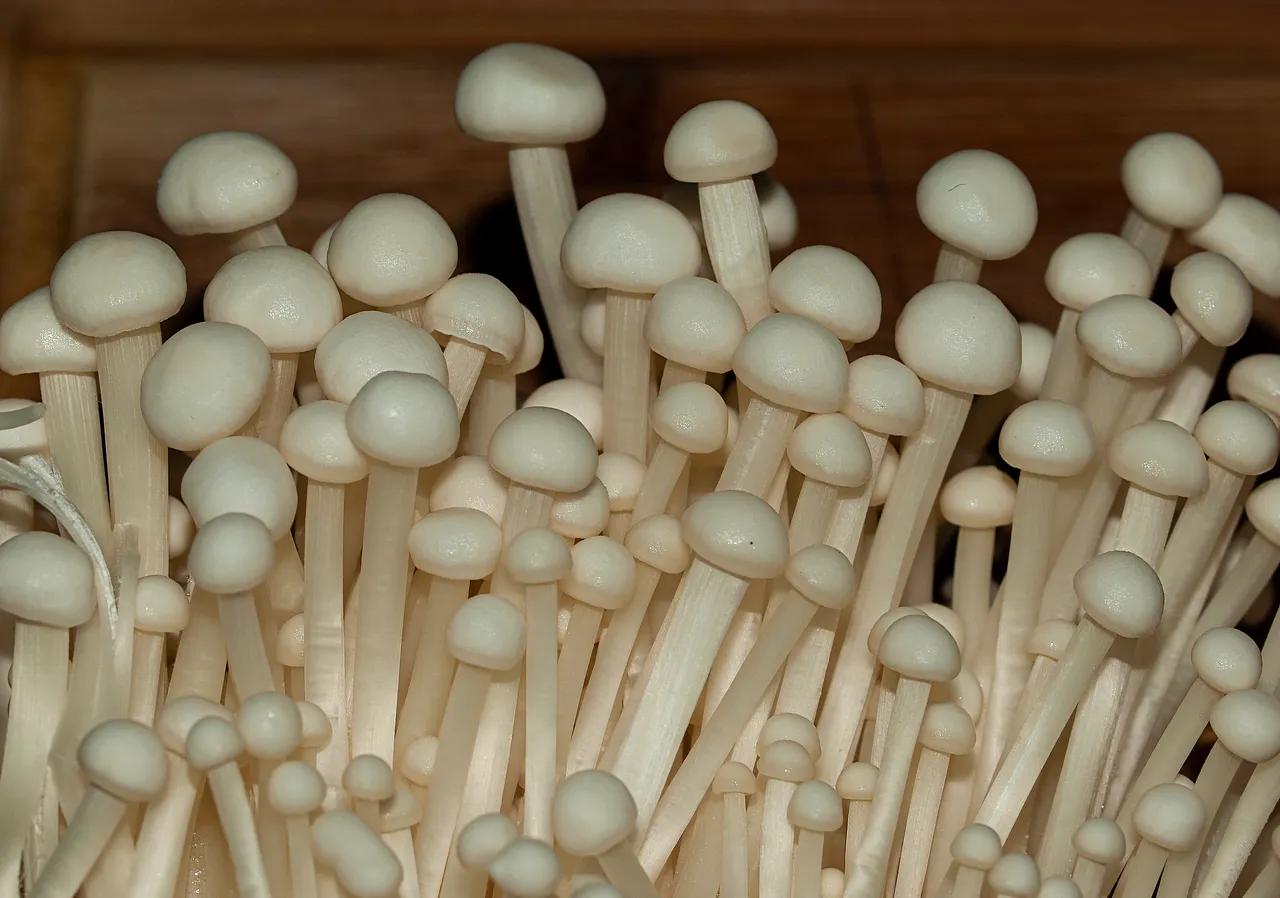
It's amazing what CO2 can do to the shape of the same species of mushroom. It looks like something completely different. I bought these enoki mushrooms to add more mushrooms to my miso soup recipe as one handful of wild mushrooms wasn't enough for a full meal.
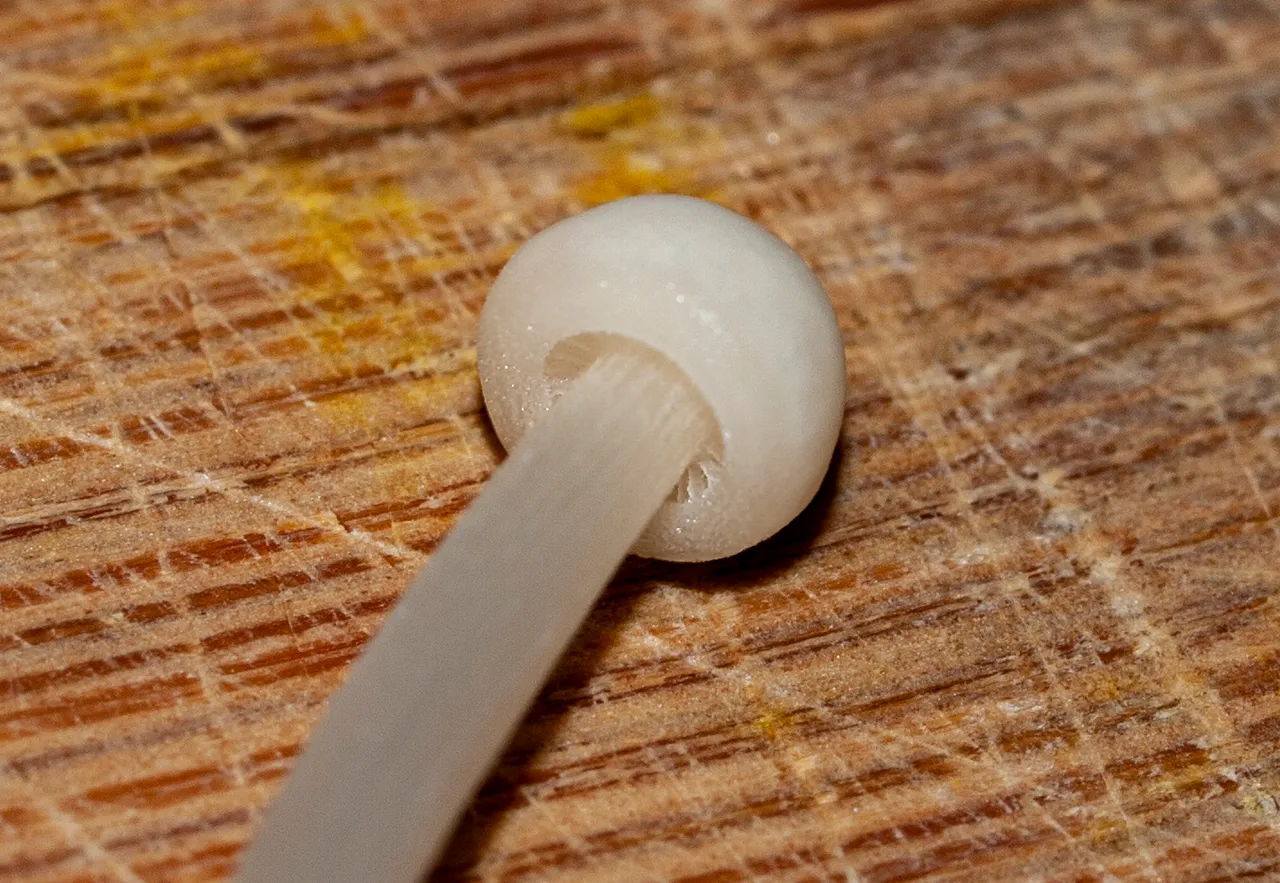
I also bought a similar tasting beech mushroom to add a bit of variety to the mix. They have a more nutty taste than enoki and winter mushrooms with a deeper flavor.

Beech mushrooms do well in stir fries as well as soup. Their rough caps tend to absorb soup flavors well and they retain a firm texture. So in the end my soup will have a brittle texture from the wild winter mushrooms, then a noodle texture from the store bought enoki and a more spongy texture from the beech mushrooms.

The recipe is simple. Just take some chicken broth and a couple teaspoons of miso and boil the mushrooms in it until they are fully cooked. Then at the end throw in some green onions for some extra spice.

The end result is simple but effective at featuring the taste of each mushroom. The wild winter mushrooms were my favorite. Hopefully I can find some more as they keep grow all the way up until the first snow. They grow worldwide in the northern hemisphere so keep an eye out for them.

The things I look for when foraging for winter mushrooms is a dead tree with bark falling off of it. Often these mushrooms will be growing in the crevice between the bark and the wood of the tree. This is another batch just starting to pin and too young to harvest. After some more rain/snow they should grow large enough to harvest. The cold weather also helps preserve them from rotting and being eaten by insects like warmer weather mushrooms in the wild.

That's all for now happy #mushroommonday