
For as long as the winter, I’ve felt this way. I cannot help this condition. I hear well. Perhaps, at some point in my growth, I sacrificed my eyes for my ears. After all, I stare at screens without breaks and raise the brightness in low-light situations. By contrast, I maintain low volumes for listening to music generally. I remove headphones and headsets for periods to alleviate the pressure on my head and ears. I am beginning to believe I adapted in a way to live in a cave. In the dark, I’m not scared. In the silence, I can hear the rhythm.
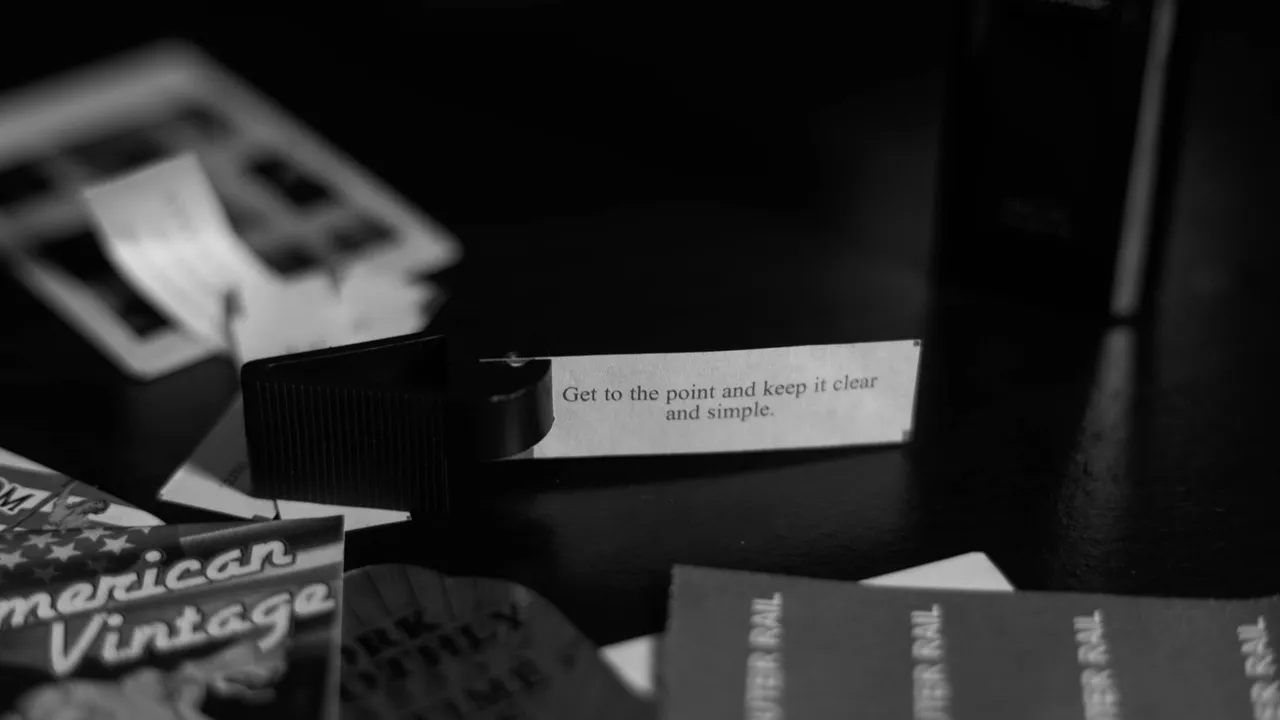
As life’s demands increase, I find it exceedingly difficult to tune in- pick up the cues and signals that sound like me. Like people walking in an open door to the party, the volume grows and grows. Soon, it’s all inaudible. Lights flash, mouths move, but no words make it past. Just like that, I’m not having fun anymore. I could be kidding myself, whining about issues with audio. Get tech support, kid. Yet, it’s true- research suggests our memory of experiences trends towards the feelings we have its peaks (or troughs) and its end. You might dislike dinner if the entrée wasn’t cooked well done like you asked or loved that they brought you cake since a waiter heard it was your birthday. You might think fondly of the nights you played online all night with friends or despise that the evening ended on a loss. With that in mind, the “peak-end” phenomenon observed in fortune cookies might be the reason I enjoy takeout so much.

Some time ago I wrote about my wallet. More than money, I had souvenirs, we’ll call them. In all, they weren’t much use. I had so much bulk, but so little money in there. Upon clearing it out, I found 10 fortunes from cookies, the ends of a few meals. Constant critics might claim, these fortunes are random and that most, like they meals they came with, are bad. Then again, I wouldn’t save words without an impact upon me. Some read as follows:
1. Get to the point and keep it clear and simple.

2. The price of greatness is responsibility.

3. Failure is the chance to do better next time.

Trite? May be. Yet, when we consider the experiences- good food, clear comms- the way you feel can be called experienced utility. The decision to play or not weighs then on how you expect things to go, or its expected utility. And the choice to return weigh largely on what you remember – people speaking so much you couldn’t – in short, the remembered utility. The ideal then looks like this. The remembered utility of your latest takeout suggests shrimp-fried rice, crab Rangoon and chicken fingers would be good again – have higher expected utility. Upon you finally enjoying the meal, you would confirm a positive experienced utility. Yet life isn’t as funny as the jokes our friends repeat. Like the tired punchline, some things just do not line up. Adjusting for chaos then, I’ll take any words of wisdom following my food. I rather choose when and how long I play, than pick at the options foisted upon me. Choosers understand, now might not be the best time to speak, given other voices or the past few plays. Pickers assume there are no choices, but to submit to the status quo is a choice too. Still others even foment the discord. Sometimes, to find my way I gotta return to the cave. I might fumble into better fortune.

Post Summary
- I think my ears are sensitive. Also, to keep our attention, things get loud.
- We tend to define memories by their highs (lows) and ends, research done by psychologists suggest.
- I kept a bunch of fortunes from cookies, likely because they made me feel good after the meal.
- We make choices based on the experienced, remembered and expected utilities of things. These rarely align, even when we are informed about our decision-making.
- A chooser is someone who thinks actively about the possibilities before making a decision. A picker does not, accepting only what’s presented.