
Gigantes de la Industria (Capítulo 7)
[Versión En Español]
Hola hivers amantes de la películas y series, en esta oportunidad quiero seguir comentando y extrayendo algunas lecciones sobre la miniserie transmitida por History llamada gigantes de la industria en Latinoamérica y The Men Who Built America en Norteamérica. Esta producción del género del documental nos muestra la vida de grandes empresarios de la historia de la humanidad, nombres como Cornelius Vanderbilt, John D. Rockefeller, Andrew Carnegie, J.P. Morgan y Henry Ford símbolos de lo que conocemos como sueño americano. En esta oportunidad extraeré algunas lecciones para emprendedores del capítulo número 7.

Los titanes Vivian cómodamente, las leyes y el modelo financiero que conocemos hoy en día apenas se estaba estructurando, muchas condiciones no eran reguladas y las reglas del juego financiero no estaban completamente escritas, los poderosos aprovechaban la falta de estas reglas para jugar a su manera, la manera de las ganancias. Todos los titanes competían entre sí, esto creaba feroz carrera por las ganancias y el poder, en consecuencia la clase trabajadora sufría por la codicia y la ambición de estos grandes empresarios.
Habíamos observado anteriormente la masacre en la planta principal de acero de Carnegie, incluso la milicia tuvo que restaurar el orden debido a la que los trabajadores exigían mejores condiciones laborales. La clase obrera estaba agonizando sobrevivían con un dólar al día y la pobreza extrema hacia que los trabajadores desempleados se ofrecieran a trabajar más horas por menos dinero, esto se convertía en una bomba de tiempo que subía a las altas esferas de la política.

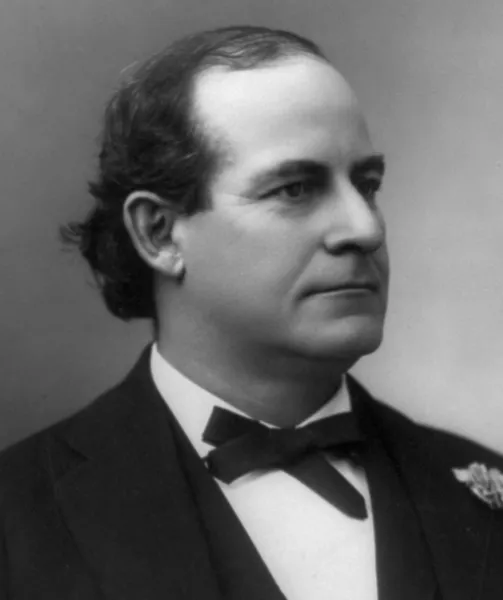
En el panorama político de Estados Unidos había un hombre que representaba ese descontento social contra los grandes capitalistas de la época, su nombre era William Jennings Bryan un candidato presidencial con un discurso muy diferente a los intereses de los grandes titanes de la industria, este candidato prometía a la población eliminar los monopolios y mejorar las condiciones de la clase trabajadora. Hasta ese momento los titanes como John D. Rockefeller, Andrew Carnegie y J.P. Morgan no habían tenido una amenaza similar a sus modelos de negocios.
Alianza de los Titanes
Para que sus negocios no tuvieran problemas desde la casa blanca, los titanes dejan sus diferencias y competencias por un momento y deciden reunirse para buscar la solución a la mayor amenaza que habían enfrentado hasta ahora. Deciden comprar a su propio presidente.
Es evidente que esta clase de movida en los negocios es ilegal y no comparto el nivel de manipulación y corrupción que podría presentar intentar comprar a un candidato para evitar que William Jennings Bryan se siente en la silla presidencial, sin embargo, podemos extraer una lección básica para los negocios en este movimiento, la importancia de las alianzas.

En el mundo de los negocios los contactos son una parte esencial del éxito, saber a con quien realizar tratos, a quien proponerle una alianza y a quien ignorar es algo de suma importancia para alcanzar el éxito. Estos grandes capitalistas competían entre ellos, sin embargo, cuando tuvieron que unirse para enfrentar a una amenaza en común lo hicieron.
Muchas veces en nuestro camino como emprendedores tendremos que aliarnos con otras personas, posiblemente la competencia, sin embargo, el objetivo sería mucho más beneficioso que la lucha de poderes, evidentemente no compraríamos a un político o al mismo presidente pero si podemos mejorar nuestros negocios con buenas alianzas.
Los titanes deciden comprar publicidad a favor de su candidato, los medios de comunicación les daba la facilidad a los que pudieran pagar grandes sumas de dinero para manipular la información y del mismo modo al pueblo.

Un Nuevo Presidente
El presidente electo fue el apoyado por los titanes, este presidente redujo las regulaciones las cuales no eran muchas, sin embargo, hizo que las ganancias de los grandes capitalistas nuevamente tocaran el cielo, sin embargo, se crea un precedente y debemos tener en cuenta que la bomba de tiempo social todavía seguía activada, solo era cuestión de tiempo para que explotara.

Rockefeller y el Mineral de Hierro
Rockefeller tenía tanto dinero que estaba buscando otras fuentes de ingresos, sus ganancias eran tan altas que no podía reinvertirlas en su industria de manera lucrativa, así que decidió mirar a la materia prima de uno de sus rivales. Anteriormente he comentado sobre la rivalidad de Carnegie y de Rockefeller, ambos luchaban por el honor de ser el hombre más rico y poderoso de la nación, es evidente que la intención del magnate petrolero era vencer a Carnegie en su propio juego y molestarlo en el proceso.


El petrolero compró un gran yacimiento de mineral de hierro para venderlo a los productores competidores de Carnegie a un muy bajo precio, luego decide construir una planta de acero que compitiera con las de Carnegie, una gran amenaza para el magnate del acero. Una nueva planta construida por Rockefeller significaría competencia lo cual produciría sin dudas una guerra de precios disminuyendo las ganancias, recordemos que estos grandes capitalistas querían tener el control y monopolizar el sector económico donde ganaban más dinero, esto Carnegie no se lo podía permitir.

Gana Rockefeller
En varios meses de negociaciones llegaron al acuerdo de que Carnegie aceptaría comprar toda la producción de mineral de hierro a cambio de no construir una nueva planta de acero, significaría una gran victoria para Rockefeller sobre todo desde el punto de vista político y de poder, doblegando a Carnegie a desembolsar una fortuna por un producto que Rockefeller a final de cuentas no necesitaba.
La Negociación es un Arte
Podemos escuchar esta afirmación de un comentario de Donald Trump, según este magnate un buen negociador es similar a un buen cirujano, no se ven con mucha frecuencia. La negociación es uno de los aspectos más importantes en la vida de un emprendedor, desarrollar esta habilidad puede significar el éxito o el fracaso de una empresa.

Es interesante que Trump compare a un negociador con un cirujano, sabemos todo lo que tiene que estudiar un cirujano para ejercer su profesión, muchas veces las personas piensan que la habilidad de negociar viene desde el nacimiento, sin embargo, aunque personas nacen con una mejor facilidad se puede adquirir la habilidad y las estrategias para la negociación. En todo momento estamos negociando, con nuestra pareja incluso con nuestros hijos la negociación es parte del ser humano solo que en los negocios es de lo más importante. La habilidad para negociar se puede adquirir, aprendiendo las estrategias, leyendo libros e información de este tema.
Creación de U.S Steel
J.P Morgan era un hombre muy habilidoso en términos financieros y de gerencia, era como un rey midas, todo lo que tocaba se convertía en oro puro. Su mirada se volcó a la industria del acero, esta industria iniciada encabezada por Carnegie Steel tenía mucha competencia, por lo cual atrajo la atención de J.P Morgan, empresario que ve la oportunidad de reunificar la competencia para obtener más ganancias, sin embargo, para lograr unificar a las productoras de acero debía comprar Carnegie Steel.

Carnegie le entrega un papel con un monto exorbitante para la época, 480 millones de dólares, más de 300 mil millones de dólares actuales, sin embargo, J.P Morgan acepta pagarle una de las fortunas privadas más grandes de la historia de la humanidad.
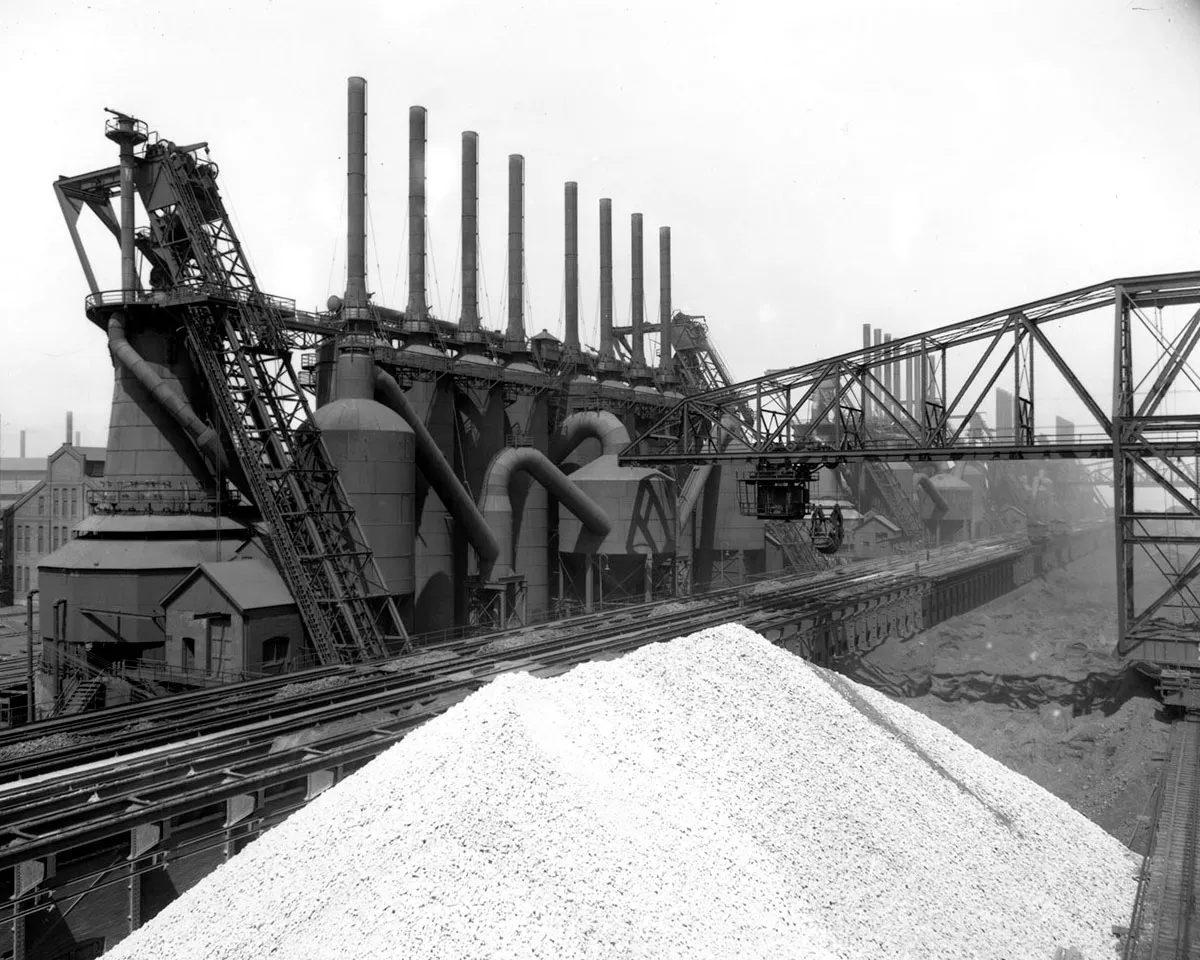
JP Morgan crea U.S Steel con la fusión entre Carnegie Steel y otras productoras, unificando la competencia y aplastando la guerra de precios, al unificar las tarifas de sus productos las ganancias son mayores. Este monopolio en la industria del acero fue posible por el escenario político en Estados Unidos en esa época, sin embargo, no sería para siempre.
La Explosión
Un nuevo político aparecia en escena, un cazador de monopolios y enemigo de los grandes capitalistas como J.P Morgan y Rockefeller. Theodore Roosevelt era la verdadera amenaza, sin embargo, para quitarle influencia por una posible postulación para la presidencia los magnates acordaron con William McKinley el presidente electo en incluir a Roosevelt en la casa blanca como vicepresidente. Una movida estratégica en contra de su ascenso político y para evitar una posible postulación.
El país tenía una gran diferencia entre ricos y pobres, la clase trabajadora sufría debido a la absorción de las empresas y los monopolios, la sociedad estaba al borde debido a la explotación de las grandes empresas. William McKinley es asesinado por un trabajador que había perdido su empleo, su furia se debía a la amistad del presidente con las grandes corporaciones.

El plan original de los titanes se volvía en su contra ante esta situación debido a que Theodore Roosevelt es juramentado como presidente de Estados Unidos. Muy pronto sucede que se esperaba, Roosevelt realiza una campaña contra las grandes corporaciones y sus monopolios. Su primer objetivo fue un conglomerado ferroviario de J.P Morga, primera demanda antimonopolio es ganada por Roosevelt marcando un precedente en el futuro de las principales compañías de Estados Unidos.

En el siguiente capítulo este docudrama nos hará viajar a una corte estadounidense en el mayor caso antimonopolio de todos los tiempos, un juicio contra Standard Oil. Si no han visto los capítulos anteriores les dejaré un enlace aquí debajo.
Cornelius Vanderbilt
John D. Rockefeller
Andrew Carnegie
The Tragedy of Ambition
J. P. Morgan and Tomas Edison the Banker and the Inventor
Edison's Dark Side and Tesla's Sacrifice




Gracias por tu lectura, hasta la próxima


The Men Who Built America (Chapter 7)
[English Version]
Hello hivers movie and series lovers, this time I want to continue commenting and extracting some lessons about the miniseries broadcast by History called giants of industry in Latin America and The Men Who Built America in North America. This production of the documentary genre shows us the life of great entrepreneurs in the history of mankind, names like Cornelius Vanderbilt, John D. Rockefeller, Andrew Carnegie, J.P. Morgan and Henry Ford, symbols of what we know as the American dream. In this opportunity I will extract some lessons for entrepreneurs from chapter number 7.
The titans lived comfortably, the laws and the financial model we know today were just being structured, many conditions were not regulated and the rules of the financial game were not completely written, the powerful took advantage of the lack of these rules to play their way, the way of profit. All the titans competed with each other, this created a fierce race for profits and power, consequently the working class suffered from the greed and ambition of these big businessmen.
We had previously observed the massacre at the main Carnegie steel plant, even the militia had to restore order because the workers were demanding better working conditions. The working class was in agony, they were surviving on a dollar a day and the extreme poverty caused unemployed workers to offer to work longer hours for less money, this became a ticking time bomb that went up to the highest levels of politics.
In the political panorama of the United States there was a man who represented this social discontent against the great capitalists of the time, his name was William Jennings Bryan, a presidential candidate with a very different discourse to the interests of the great titans of industry, this candidate promised the population to eliminate monopolies and improve the conditions of the working class. Up to that time the titans such as John D. Rockefeller, Andrew Carnegie and J.P. Morgan had not had a similar threat to their business models.
Alliance of the Titans
So that their businesses would not have problems from the White House, the titans leave their differences and competitions for a moment and decide to get together to find the solution to the biggest threat they had faced so far. They decide to buy their own president.
It is clear that this kind of move in business is illegal and I do not share the level of manipulation and corruption that could present trying to buy a candidate to prevent William Jennings Bryan from sitting in the presidential chair, however, we can extract a basic lesson for business in this movement, the importance of alliances.
In the business world contacts are an essential part of success, knowing who to make deals with, who to propose an alliance to and who to ignore is paramount to success. These great capitalists competed with each other, however, when they had to unite to face a common threat, they did it.
Many times in our path as entrepreneurs we will have to ally with other people, possibly the competition, however, the objective would be much more beneficial than the power struggle, obviously we would not buy a politician or the president himself but we can improve our business with good alliances.
The titans decide to buy publicity in favor of their candidate, the media gave the facility to those who could pay large sums of money to manipulate the information and in the same way to the people.
A New President
The elected president was the one supported by the titans, this president reduced the regulations which were not many, however, he made the profits of the big capitalists touch the sky again, however, a precedent is created and we must take into account that the social time bomb was still activated, it was only a matter of time for it to explode.
Rockefeller and Iron Ore
Rockefeller had so much money that he was looking for other sources of income, his profits were so high that he could not reinvest them in his industry profitably, so he decided to look at the raw material of one of his rivals. I have previously commented on Carnegie and Rockefeller's rivalry, both were fighting for the honor of being the richest and most powerful man in the nation, it is evident that the oil tycoon's intention was to beat Carnegie at his own game and upset him in the process.
The oilman bought a large deposit of iron ore to sell it to Carnegie's competing producers at a very low price, then decided to build a steel plant to compete with Carnegie's, a great threat to the steel magnate. A new plant built by Rockefeller would mean competition which would undoubtedly produce a price war decreasing profits, remember that these big capitalists wanted to have control and monopolize the economic sector where they earned more money, this Carnegie could not afford.
Rockefeller wins
After several months of negotiations, they reached the agreement that Carnegie would accept to buy all the iron ore production in exchange for not building a new steel plant. This would mean a great victory for Rockefeller, especially from a political and power point of view, and would make Carnegie pay a fortune for a product that Rockefeller, in the end, did not need.
Negotiation is an Art
We can hear this statement from a comment by Donald Trump, according to this tycoon a good negotiator is similar to a good surgeon, they are not seen very often. Negotiation is one of the most important aspects in the life of an entrepreneur, developing this skill can mean the success or failure of a company.
It is interesting that Trump compares a negotiator with a surgeon, we know all that a surgeon has to study to practice his profession, many times people think that the ability to negotiate comes from birth, however, although people are born with a better facility can acquire the skill and strategies for negotiation. At all times we are negotiating, with our partner even with our children, negotiation is part of the human being, but in business it is the most important. The ability to negotiate can be acquired by learning the strategies, reading books and information on this subject.
Creation of U.S. Steel
J.P. Morgan was a very skillful man in terms of finance and management, he was like a king midas, everything he touched turned into pure gold. He turned his attention to the steel industry, this industry started by Carnegie Steel had a lot of competition, which attracted the attention of J.P. Morgan, a businessman who saw the opportunity to unify the competition to obtain more profits, however, in order to unify the steel producers, he had to buy Carnegie Steel.
Carnegie gives him a paper with an exorbitant amount for the time, 480 million dollars, more than 300 billion dollars today, however, J.P. Morgan agrees to pay him one of the largest private fortunes in the history of mankind.
JP Morgan creates U.S. Steel with the merger between Carnegie Steel and other producers, unifying the competition and crushing the price war, by unifying the rates of their products, profits are higher. This monopoly in the steel industry was made possible by the political scenario in the United States at the time, however, it would not last forever.
The Explosion
A new politician appeared on the scene, a monopoly hunter and enemy of the big capitalists like J.P. Morgan and Rockefeller. Theodore Roosevelt was the real threat, however, to take influence away from him for a possible run for the presidency the tycoons agreed with William McKinley, the president elect, to include Roosevelt in the White House as vice-president. A strategic move against his political rise and to avoid a possible nomination.
The country had a large gap between rich and poor, the working class was suffering due to corporate and monopoly takeovers, society was on the brink due to exploitation by big business. William McKinley is assassinated by a worker who had lost his job, his anger was due to the president's friendship with big corporations.
The original plan of the Titans turned against them in this situation because Theodore Roosevelt was sworn in as President of the United States. Soon enough, as expected, Roosevelt launched a campaign against the big corporations and their monopolies. His first target was a railroad conglomerate of J.P. Morga, first antitrust lawsuit is won by Roosevelt setting a precedent in the future of major U.S. companies.
In the next chapter this docudrama will take us on a journey to a U.S. courtroom in the biggest antitrust case of all time, a trial against Standard Oil. If you have not seen the previous chapters I will leave a link below.
Cornelius Vanderbilt
John D. Rockefeller
Andrew Carnegie
The Tragedy of Ambition
J. P. Morgan and Tomas Edison the Banker and the Inventor
Edison's Dark Side and Tesla's Sacrifice
Thank you for your reading, until next time
Translated with www.DeepL.com/Translator