
Cuando vi Dragon Ball por primera vez, jamás imaginé que hubiera tantas referencias sexuales camufladas en la inocencia de Goku. Había demasiadas cosas vulgares, incluso para un niño, o sea, en ningún episodio podía faltar la sangre en la nariz, las insinuaciones eróticas y esas bofetadas contra el maestro Roshi, el viejito pervertido. Era gracioso, sí, pero mucho después supe que casi todos los creadores de anime (o manga) tienen cierta obsesión con sexualizar el humor. Vale, seré sincero: gran parte de los amantes del Shōnen son, sin duda alguna, adolecentes… de allí el posible origen de las risas sexistas.
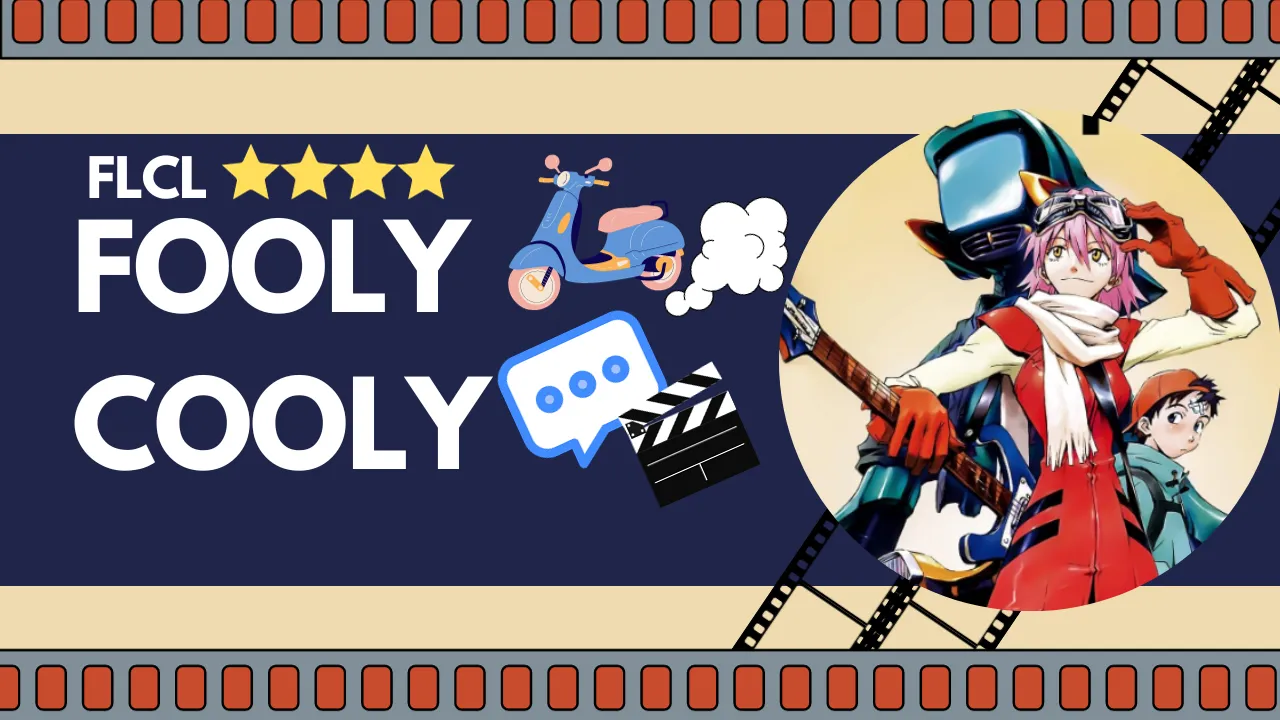
Y hablando de adolescentes y cosas pervertidas: FLCL. Es un anime de tan solo seis episodios, abstracto si solo lo ves de manera muy superficial; esta es la utopía analógica de un púbero con mucha suerte para las chicas, o las capitanas intergalácticas… No lo sabré exactamente. Pero sí reí mucho, sobre todo con aquellas referencias a la sexualidad humana, los amores tóxicos y cómo los robots pueden salir de tu cabeza cuando piensas mucho en ello, literalmente.
When I saw Dragon Ball for the first time, I never imagined that there were so many sexual references camouflaged in Goku's innocence. There were too many vulgar things, even for a child, that is, no episode could miss the nose blood, the erotic innuendos and those slaps against Master Roshi, the perverted old man. It was funny, yes, but much later I learned that almost all anime (or manga) creators have a certain obsession with sexualizing humor. Okay, I'll be honest: a large portion of Shōnen lovers are undoubtedly teenagers... hence the possible origin of the sexist laughs.
And speaking of teenagers and kinky stuff: FLCL. It's a mere six-episode anime, abstract if you only watch it very superficially; this is the analog utopia of a crowd with a lot of luck for girls, or intergalactic captains... I won't know exactly. But I did laugh a lot, especially with those references to human sexuality, toxic loves, and how robots can pop out of your head when you think about it too much, literally.

Naota es un chiquillo escuálido con una predisposición inhumana por los suéteres azules y las gorras, ah, y también por los amores a escondidas. Un día, mientras tiene una de sus citas (o lecciones de béisbol, XD) junto a Mamimi, conoce a Harruko, una loca que lo confunde con un fulano “Taro” que nadie conoce, excepto ella. Pudiera ser este un anime de amor a primera vista, no obstante, tras el inesperado encuentro, el pobre Naota es perseguido por una serie de desgracias que lo llevan a expulsar robots de su cabeza, todos con unas ansias enormes de matarlo.
FLCL es como el Alien de los adolescentes y la pubertad, o sea, en lugar de alienígenas que te matan y eclosionan de tus pulmones, verás robots gigantescos que brotan de la cabeza, en situaciones muy peculiares que te ponen a pensar sobre cosas que no tienen relación con robosts… sí, lo sé, es extraño, aunque este mini anime de seis episodios emplea las analogías y guiños a otros animes para intentar reflejar el mensaje de la trepidante pubertad. Tras cada ocasión en la que Naota se enfrenta a un choque amoroso o existencial, surgen esas criaturas misteriosas. Hay una frase, en este sentido, que no debes perder de vista hasta que veas el último capítulo:
“¿Dónde empieza la verdad y dónde empiezan las mentiras?”
Naota is a scrawny little boy with an inhuman predisposition for blue sweaters and caps, oh, and also for secret love affairs. One day, while having one of his dates (or baseball lessons, XD) with Mamimi, he meets Harruko, a crazy woman who mistakes him for a guy named "Taro" that nobody knows except her. This could be a love-at-first-sight anime, however, after the unexpected meeting, poor Naota is haunted by a series of misfortunes that lead him to eject robots from his head, all with a huge desire to kill him.
FLCL is like the Alien of teenagers and puberty, that is, instead of aliens killing you and hatching from your lungs, you'll see giant robots sprouting from your head, in very peculiar situations that get you thinking about things unrelated to robots... yes, I know, it's strange, though this six-episode mini anime employs analogies and nods to other anime to try to reflect the message of rambling puberty. After every occasion when Naota is faced with a love or existential clash, these mysterious creatures emerge. There is one sentence, in this regard, that you should not lose sight of until you see the last chapter:
"Where does the truth begin and where do lies begin?"

El humor apela a las situaciones sexuales, por supuesto, porque FLCL es un anime que explora los vicios juveniles con burdas insinuaciones. Los personajes femeninos suele aparecer en escena o con esos trajes de colegialas muy cortos en los muslos, o con prendas muy apretadas. Este anime es muy ruidoso visualmente, pues a cada instante te bombardean con escenas descabelladas en las que puedes confundirte fácilmente y decir: ¿Qué rayos está pasando aquí?
De hecho, me costó agarrar el hilo de la trama hasta el cuarto episodio, intentando descubrir el hilo de la historia de Naota y los robots que salían de su cabeza. No te aburres, pero tal vez te sientas abrumado. Puede parecer un anime ridículo y desproporcionado, pero solo si no te enfocas en lo que el humor desea transmitir. A cada instante hay señales de lo obvio: robots que eclosionan en momentos muy tentativos, o juegos de béisbol en los que Noata termina robando todas las bases, y por supuesto: los ángulos que enfocan determinadas partes del cuerpo, podrás imaginar cuáles son. ¡Todo es muy sugerente!
Entre el argumento disparatado, casi de acompañante magistral, está la banda sonora- ¡Rock del bueno! Quizás exagero al decir que esta combinación ocasiona un ardor en los dedos: es como si los creadores de esta miniserie desean extrapolar esa dosis de locura en los personajes, y hacerte sentir tan confundido como estos.
The humor appeals to sexual situations, of course, because FLCL is an anime that explores youthful vices with crude innuendo. The female characters usually appear on stage either in those schoolgirl outfits too short in the thighs, or in very tight clothes. This anime is very visually noisy, as you are bombarded with wacky scenes at every turn where you can easily get confused and say: what the heck is going on here?
In fact, I had a hard time grasping the plot until the fourth episode, trying to figure out the thread of Naota's story and the robots coming out of his head. You don't get bored, but you may feel overwhelmed. It may seem like a ridiculous and disproportionate anime, but only if you don't focus on what the humor wants to convey. At every moment there are signs of the obvious: robots that hatch at very tentative moments, or baseball games in which Noata ends up stealing all the bases, and of course: the angles that focus on certain parts of the body, you can imagine what they are. Everything is very suggestive!
Amidst the nonsensical plot, almost masterful accompaniment, is the soundtrack - good rock! Maybe I'm exaggerating when I say that this combination causes a burning in the fingers: it's as if the creators of this miniseries want to extrapolate that dose of madness in the characters, and make you feel as confused as they are.

Tal vez la idea detrás de FLCL es el cuestionamiento de un proceso tan serio como la adolescencia, con la extensión de la imaginación inocente como protagonista. El anime juega con nuestro cerebro al colocar temas como la limerencia, la adaptación, los amores idealizados, la sexualidad ambigua y las disputas constantes contra los cambios de realidad. De allí eso que les dije sobre el límite entre la verdad y la mentira. ¿Crees en lo que ves o lo en lo que significa? Ambos caminos tomarán una relevancia importante en esta miniserie originaria de la animación japonesa.
No puedo concluir antes de recordar esas referencias tácitas que hace FLCL a Dragon Ball y creo que a Mazinger Z (lol) por decir algunos. Este anime te gustará si eres un amante del humor que impregna lo más clásico dentro del género Shonen. Solo debes expandir tu manera de ver la realidad para comprender lo que sucede en la historia de Naota, Mamimi y Harruko (la loca de la guitarra y la motocicleta)… Ah, y también los portales dimensionales.
Abre tu imaginación y disfruta, pero no demasiado. En los cerebros vacíos los portales abundan, ¡cuidado! Si logras ver el anime sabrás por qué, ;-).
Perhaps the idea behind FLCL is the questioning of a process as serious as adolescence, with the extension of innocent imagination as the protagonist. The anime plays with our brains by placing themes such as limerence, adaptation, idealized loves, ambiguous sexuality and constant disputes against reality changes. Hence what I told you about the boundary between truth and lies: do you believe in what you see or in what it means? Both paths will take an important relevance in this miniseries originating from Japanese animation.
I can't conclude before remembering those unspoken references FLCL makes to Dragon Ball and I think Mazinger Z (lol) to say a few. You will like this anime if you are a lover of humor that permeates the most classic within the Shonen genre. You just have to expand your way of seeing reality to understand what happens in the story of Naota, Mamimi and Harruko (the crazy girl with the guitar and the motorcycle)... Oh, and also the dimensional portals.
Open your imagination and enjoy, but not too much. In empty brains portals abound, beware! If you manage to watch the anime you'll know why, ;-).
