Why is the theft scale of the PI Network to work so large?
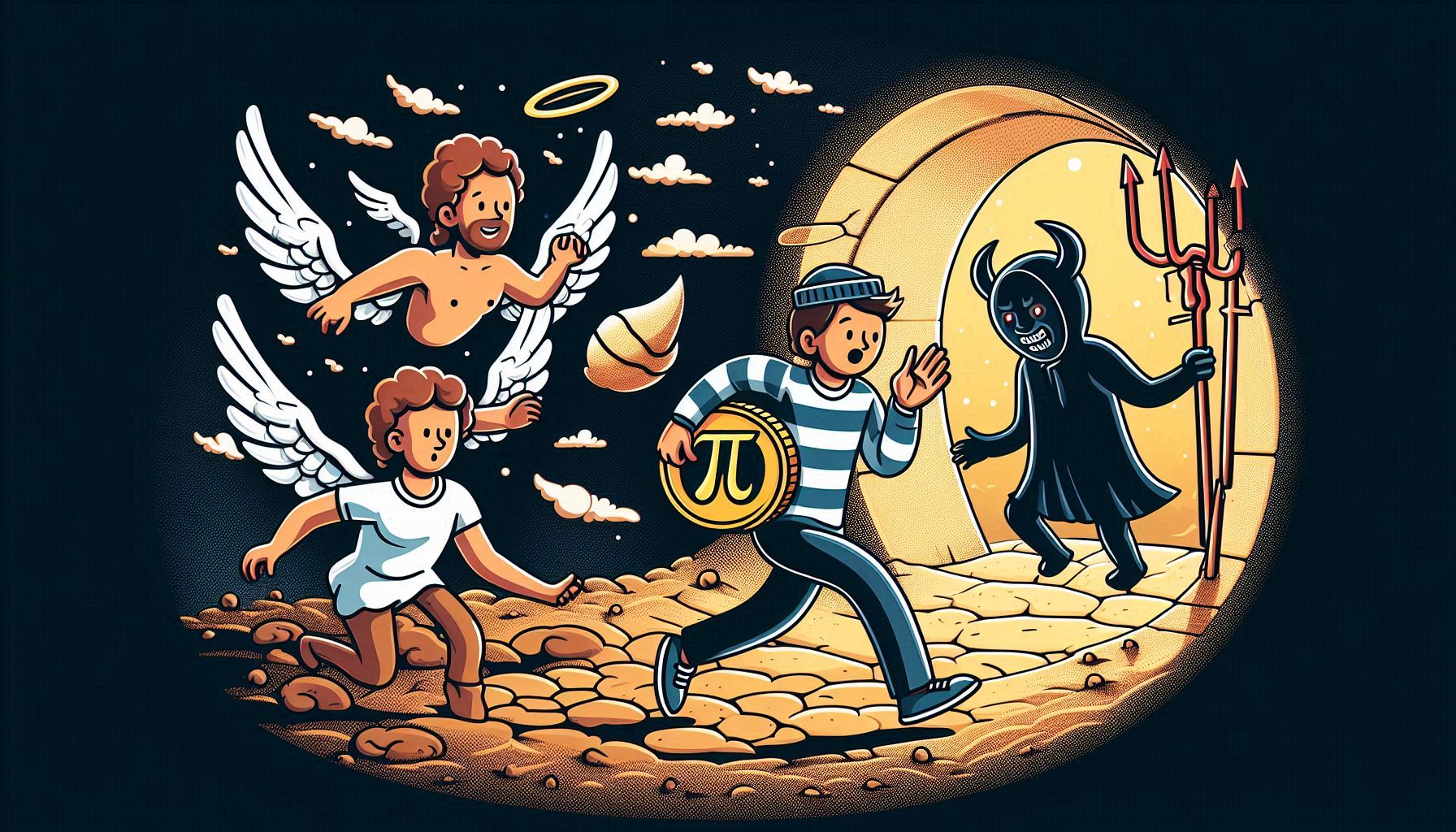
As the growing popularity of the PI Network project, there are more and more fancy ways to steal token PI or even take over entire wallets. On the one hand, it is very disturbing, but on the other, it gives food for thought - from where this popularity of the PI Network project and such a large pressure on having as many as possible to the amount of this token, coin or pi currency. Because, as the creators of the PI Network project say, PI is neither a token or a coin, but a new currency.
The process of digging Coin PI Network is at the moment very arduous, and as a few years ago you could get a few Pi per hour, so at the moment they are the hundredth parts of Pi per hour. The desire to quickly profit with low cost causes white fever in thieves and try to steal as much as possible and who can be tokens Pi. Even the entire wallets are stealing.
3 The most popular ways to rob users of the Network PI network
1 The method is the so -called Airdrop Coin Pi
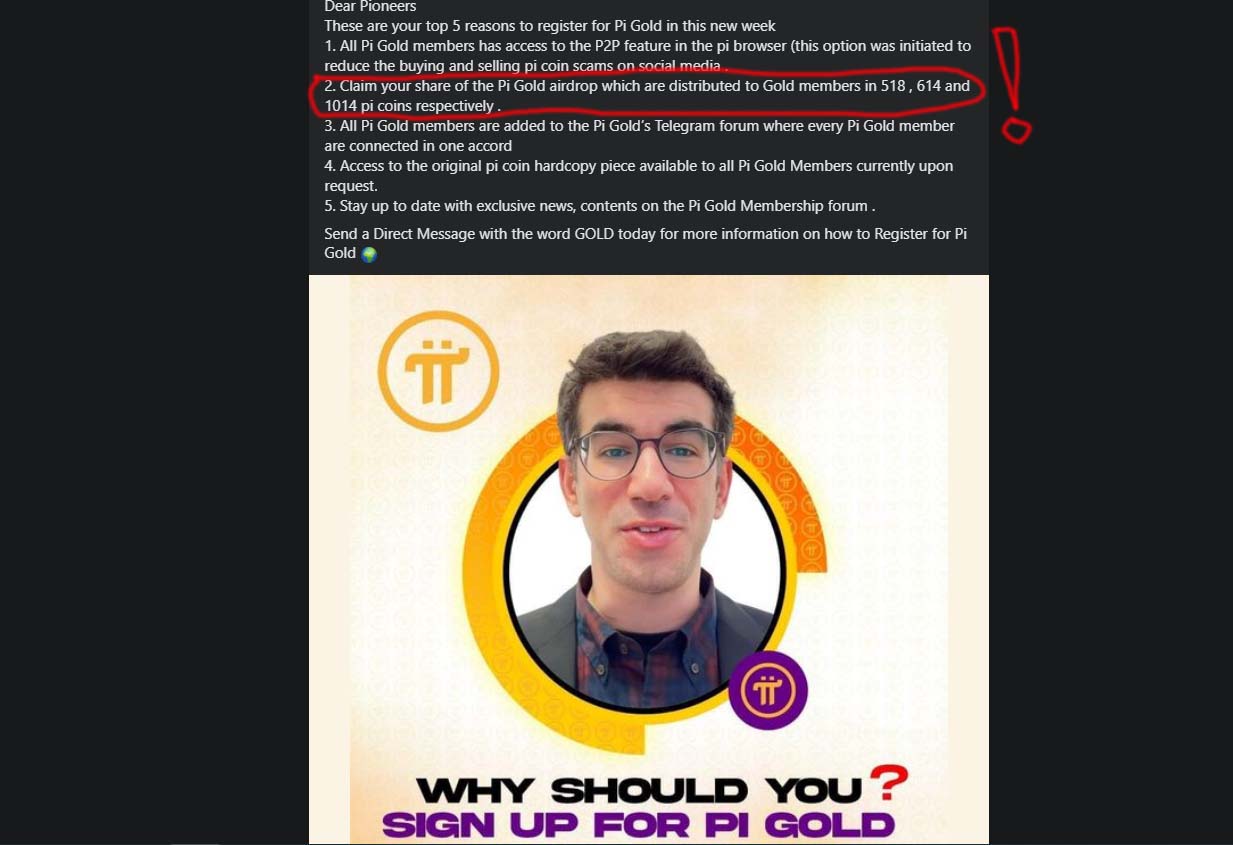
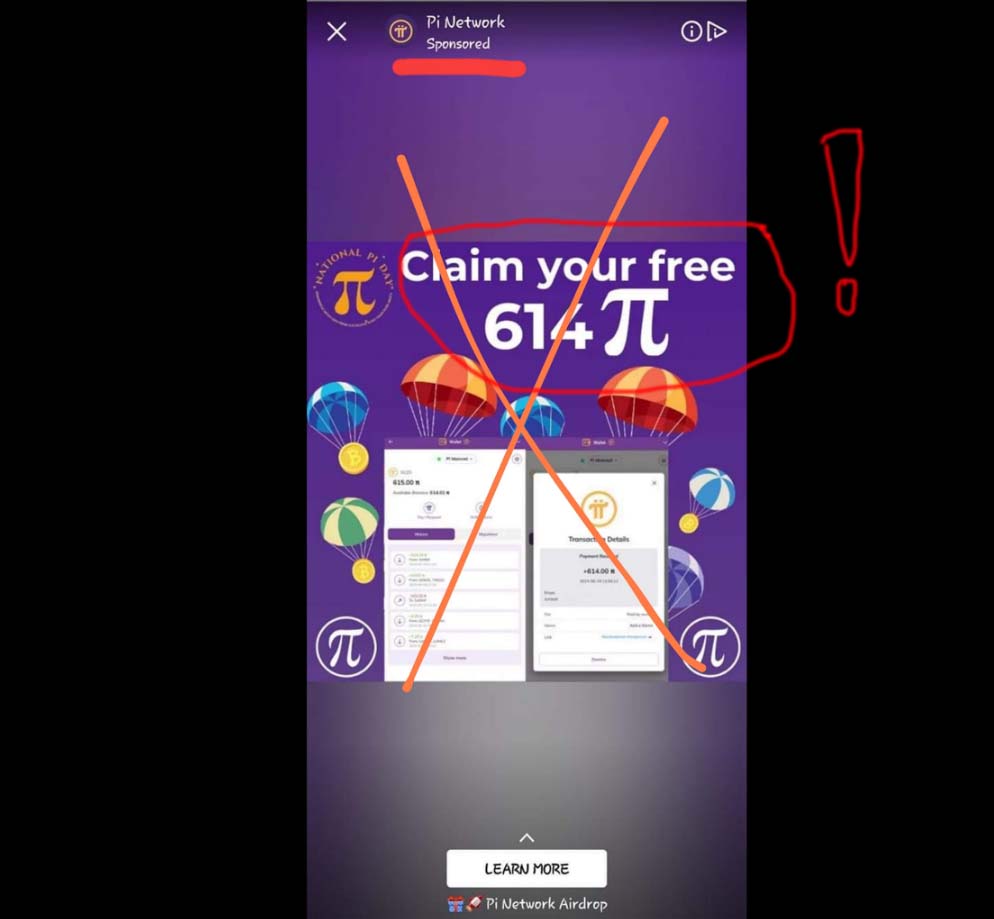
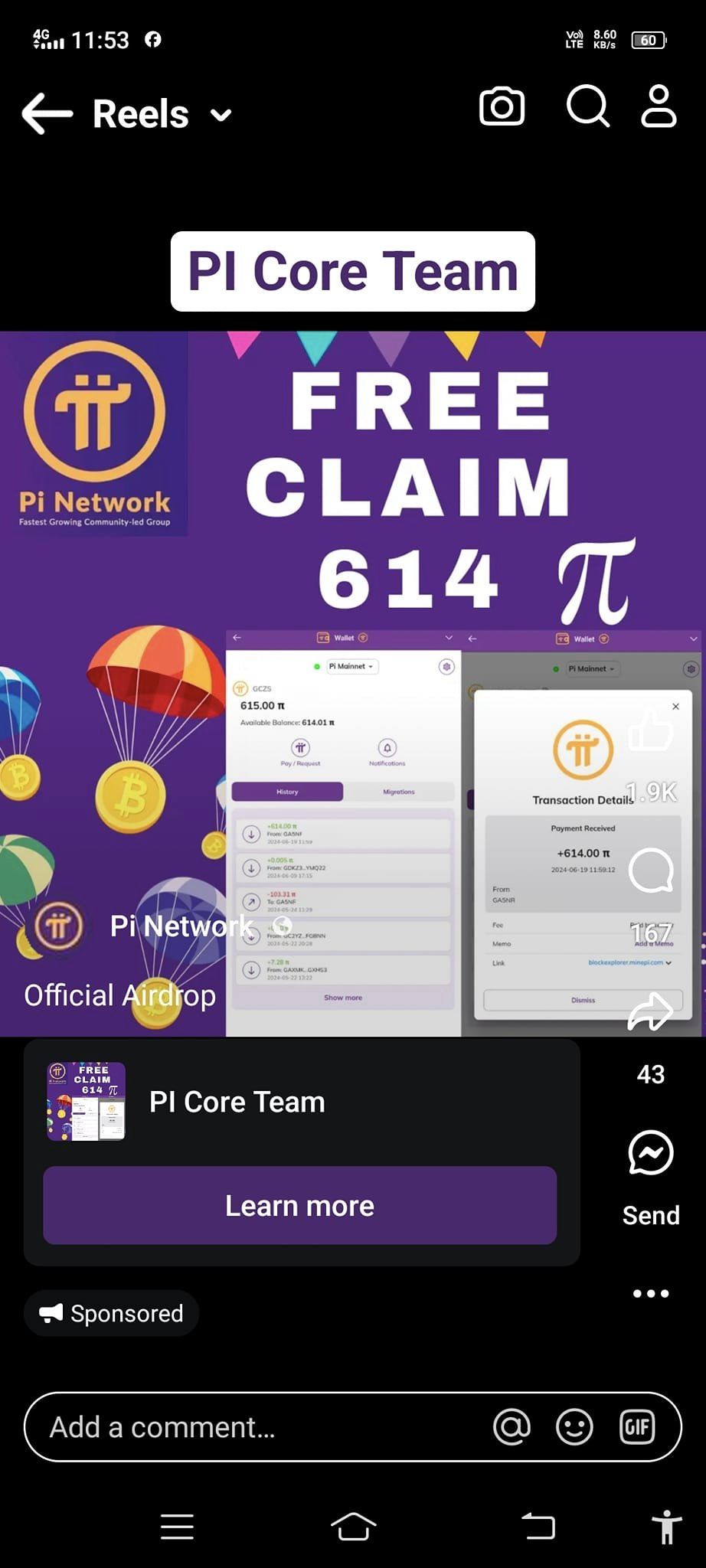
On popular pages in social media, for example, on FB or telegram there are advertising encouraging to participate in Coin Pi Airdropie. Some offer 314 others 614, 1014 Pi for free. And this is already suspicious, because *** pi Network has never organized Airdrops and will never do it ***. But if someone is greedy and does not read official information provided by the creators of PI Network, he falls victim to thieves. The way to rob is trivial. The advertisement gives a link to the page to which you need to log in with the 24th expressive phrase of our PI portfolio, and then we will receive a dump of PI tokens. Of course it all works, but the other way. The thief takes over our password and cleans our wallet.
 |  |
|---|
2 Method - on the P2P network
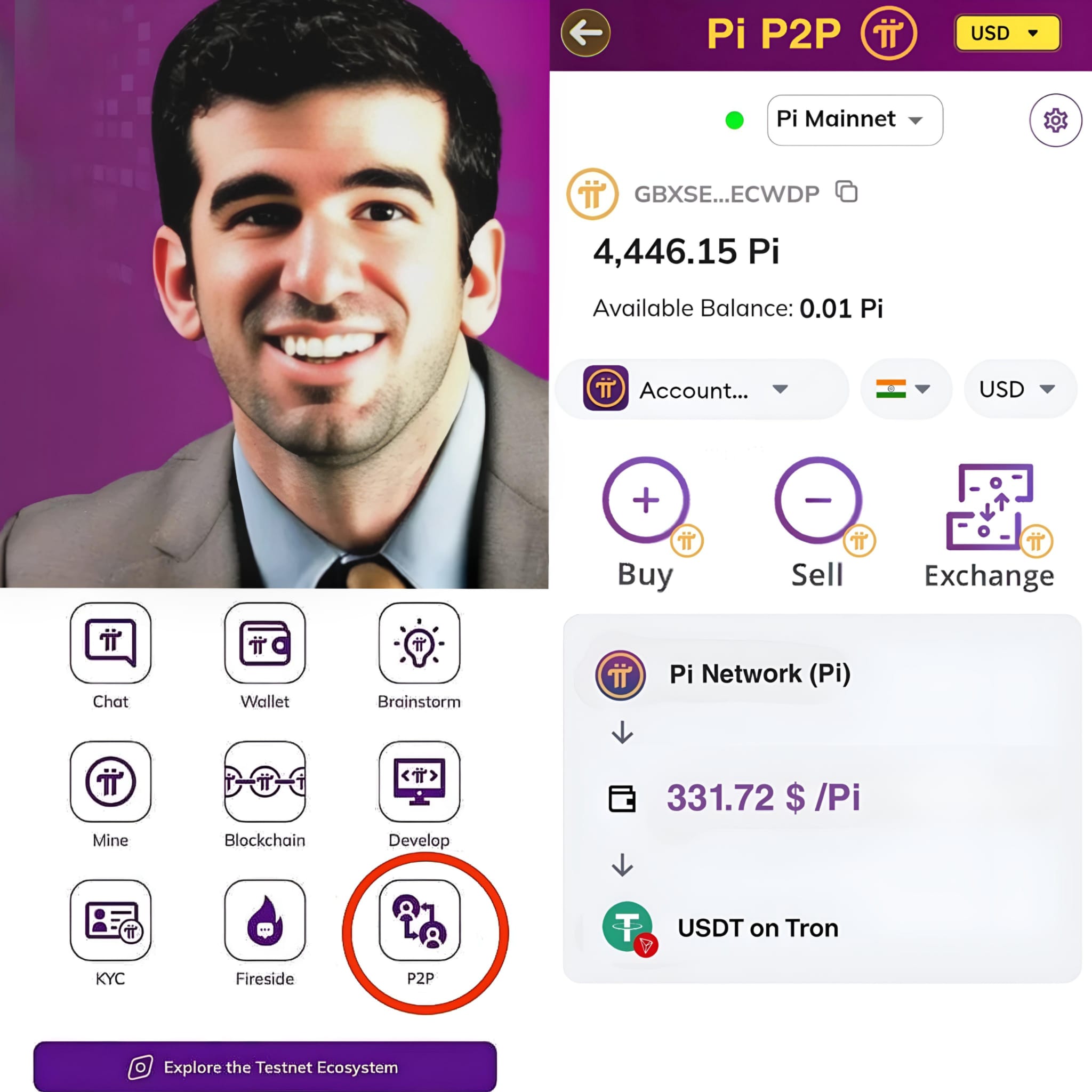
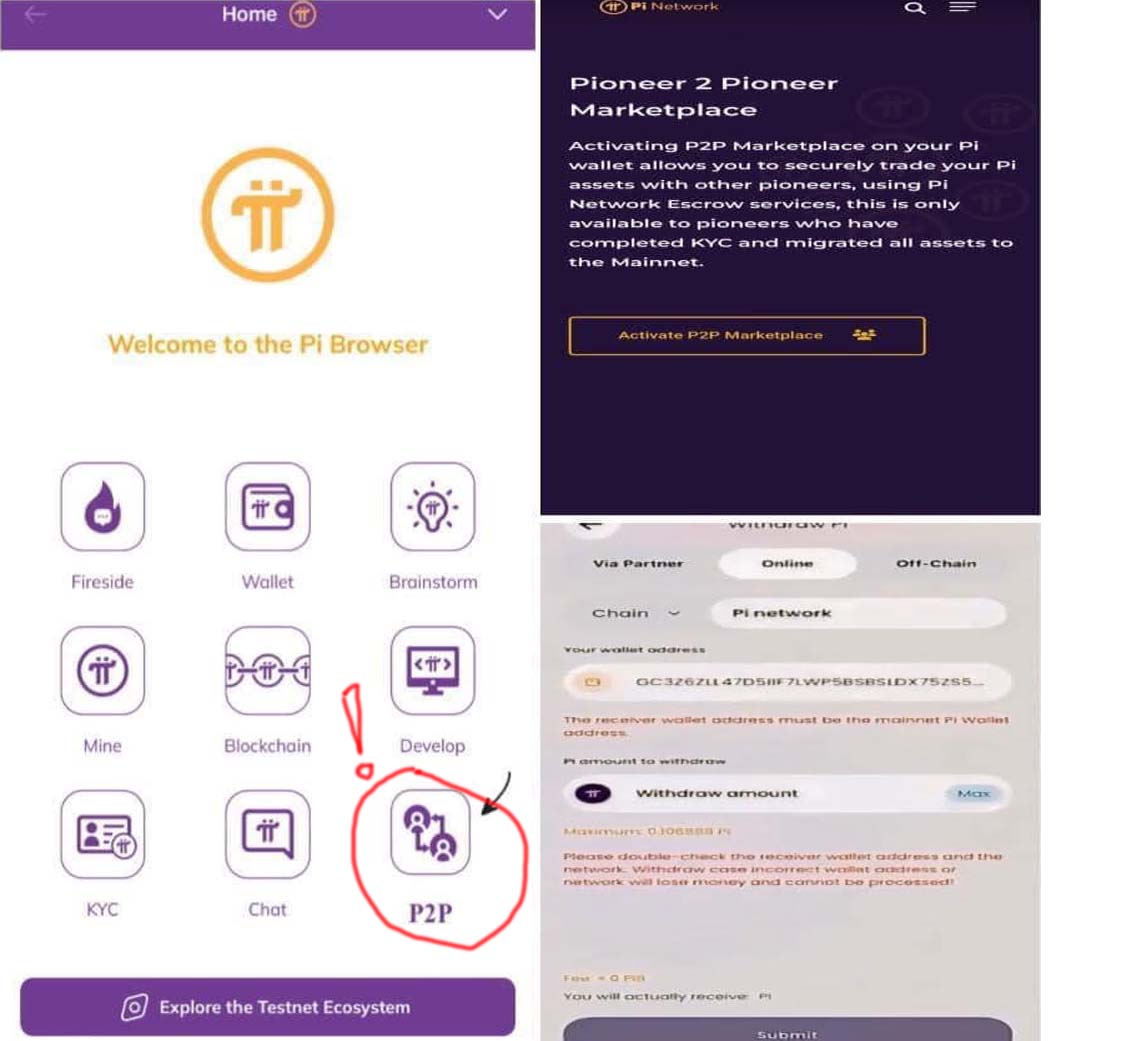
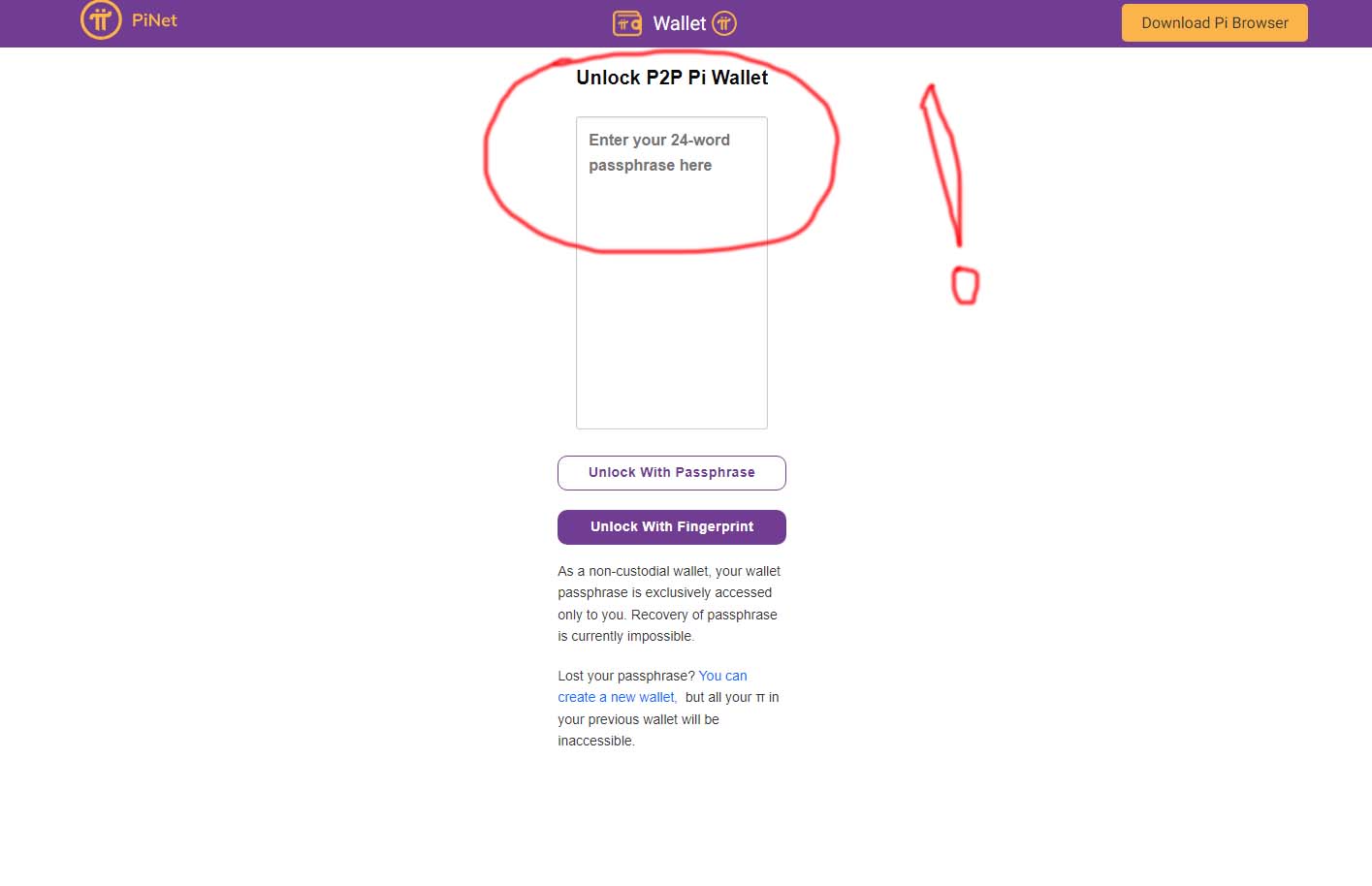
To sell Coin Pi (which is now prohibited), users often fall victim to the so -called P2P exchange, which does not exist! The diagram of the action is similar to the AIRDROP method. The thief claims that to carry out the transaction I have to do the so -called portfolio validation. He supports the fake screenshots showing *** the mysterious P2P *** icon, which he already has at home. To carry out such a validation, we must click on the link, which opens a page for the introduction of a 24 word phrase, i.e. the slogan of our portfolio. What happens next, you already know from the previous method.
3 Method - naivety (there are also two previous methods of robbing)
Looking for a bidder to buy our PI token, we sometimes find potential buyers who will gladly buy, but ... and here the most often the question is asked. "Am maybe I am from California? I answer that not that from Europe. And then the text is raining - it's a pity, because I have an office in California and we could meet in my office and make a face face to face. The second such situation took place With the city of Barcelona, the thieves have a whole arsenal of cities and similar strokes. On FB, which at first glance looks false, because the white gentleman does not exist from the photo, and he has the black colleagues from Nigeria and lives in a clay hut.
For consolation for the robbed, I will say that thieves are not unpunished, and will probably be punished before opening the main network PI Network. Because transfers from the account to account are not anonymous. Each user has their own portfolio address, name and surname, because it must be after kyc, so the matter seems obvious, but it must be reported.
*** P.S. I will add that the pictures show the authentic creator of the project, but his image is used without his consent. In short, he was stolen too. ***
--
Be careful, thieves come up with newer and newly robbing methods

To pick up your PI, install the application by clicking on this link https://miniepi.com/marianomariano and use my username (Marianomariano) as an invitation code.
======================================================================================================
[PL]
Dlaczego skala kradzieży tokena Pi network jest tak duża?
W miarę wzrastającej popularności projektu Pi network, pojawia się coraz więcej wymyślnych sposobów na kradzież tokena Pi lub nawet przejmowania całych portfeli. Z jednej strony to bardzo niepokojące, ale z drugiej z kolei daje do myślenia - skąd taka popularność projektu Pi network i tak duże parcie na posiadanie jak największej ilości tego tokena, coina lub też waluty Pi. Bo jak twierdzą twórcy projektu Pi Network, Pi nie jest ani tokenem ani coinem, tylko nową walutą.
Proces kopania tokena Pi Network jest w tej chwili bardzo mozolny, i jak jeszcze kilka lat temu można było wydobywać kilka Pi na godzinę, tak w tej chwili są to setne części Pi na godzinę. Chęć szybkiego zysku niskim kosztem wywołuje u złodziei białą gorączkę i starają się ukraść ile się da i komu się da tokeny pi. Kradną już nawet całe portfele.
3 najbardziej popularne sposoby na okradanie użytkowników sieci Pi Network
1 metoda to tak zwany airdrop tokena Pi
Na popularnych stronach w social mediach na przykład na FB czy telegramie pojawiają się reklamy zachęcające do uczestnictwa w airdropie tokena Pi. Jedni proponują 314 inni 614, 1014 Pi za darmo. I to już jest podejrzane, bo Pi Network nigdy nie organizował airdropów i nigdy tego nie będzie robił. Ale jak ktoś jest pazerny i nie czyta oficjalnych informacji podawanych przez twórców Pi network, pada ofiarą złodziei. Sposób na okradanie jest banalny. Reklama podaje linka do strony, do której trzeba się zalogować 24 wyrazową frazą naszego portfela Pi, a wtedy otrzymamy zrzut tokenów Pi. Oczywiście to wszystko działa, ale w drugą stronę. Złodziej przejmuje nasze hasło i czyści nasz portfel.
| |
|---|
2 metoda - na sieć P2P
Chcąc sprzedać tokeny Pi (co jest obecnie zabronione) często użytkownicy padają ofiarą tak zwanej wymiany P2P, która nie istnieje! Schemat działania jest podobny do metody airdrop. Złodziej twierdzi, że aby przeprowadzić transakcję muszę zrobić tak zwaną walidację portfela. Podpiera się przy tym sfałszowanymi zrzutami ekranu ukazującymi tajemniczą ikonkę P2P, którą on już u siebie posiada. Aby taką walidację przeprowadzić musimy kliknąć w link, który otwiera nam stronę służącą do wprowadzenia 24 wyrazowej frazy, czyli hasła naszego portfela. Co dzieje się dalej, to już wiecie z poprzedniej metody.
3 metoda - na naiwność (mieszczą się w nim również dwie poprzednie metody okradania)
Szukając oferenta na kupno naszego tokena Pi trafiamy czasami na potencjalnych kupców, którzy chętnie kupią, ale... I tu najczęściej pada pytanie. "Czy jestem może z Californi? Ja odpowiadam, że nie, że z Europy. I wtedy pada tekst - szkoda, bo ja mam biuro w Californi i moglibyśmy się spotkać u mnie w biurze i dokonać transakcji twarzą w twarz. Druga taka sytuacja miała miejsce z miastem Barcelona, prawdopodobnie złodzieje mają cały arsenał miast i podobnych podchodów. W ten sposób złodziej próbuje wzbudzić zaufanie i stać się wiarygodnym biznesmenem. Niestety wielu się nabiera i wysyła token Pi jako pierwszy nie otrzymując oczywiście w zamian zapłaty. A wystarczy spojrzeć na profil kupującego na FB, który już na pierwszy rzut oka wygląda na fałszywy, bo biały pan ze zdjęcia nie istnieje, a ma samych czarnoskórych kolegów z Nigerii i mieszka w glinianej chatce. (robiłem takie podchody dla kontentu, i musze się przyznać, że się nieźle ubawiłem). 😂
Na pocieszenie dla okradzionych powiem, że złodzieje nie są bezkarni, i prawdopodobnie zostaną ukarani jeszcze przed otwarciem sieci głównej Pi network. Bo przelewy z konta na konto nie są anonimowe. Każdy użytkownik ma swój adres portfela, imię i nazwisko, bo musi być po KYC, więc sprawa wydaje się być oczywista, trzeba ją jednak zgłosić.
P.S. Dodam, że na zdjęciach widnieje autentyczny twórca projektu, lecz jego wizerunek wykorzystywany jest bez jego zgody. Krótko mówiąc też został skradziony.
--
Bądźcie ostrożni, złodzieje wymyślają coraz to nowsze metody okradania
© copyright marianomariano
Aby odebrać swoje Pi, zainstaluj aplikację klikając w ten link https://minepi.com/Marianomariano i użyj mojej nazwy użytkownika (Marianomariano) jako kod zaproszenia.