
There was a time when loneliness was not a space but a weight. I remember clearly the day my partner decided to leave. There were no screams or arguments, just a sentence that fell like a stone into water: “I can’t stay with you knowing that you won’t be able to have children.”

The echo of those words hung in the air, as if the world had stopped moving for a moment. I had just received the medical results, still trying to understand them, still attempting to make peace with my own body. And suddenly, on top of the diagnosis, came the abandonment.
The days that followed were strange territory. I walked around the house like someone wandering through an unfamiliar place. I wondered at what point the ability to be a father had come to define me completely. I mourned the loss of the relationship, yes, but also the feeling of having been reduced to a biological condition, as if my worth had evaporated with a laboratory result.

It was my mother who first broke that silence. She arrived unannounced, as she always did when she sensed something in me had cracked. She didn’t ask anything; she simply placed coffee on the table and sat beside me. Her presence was a reminder that true love requires no certificates or guarantees.
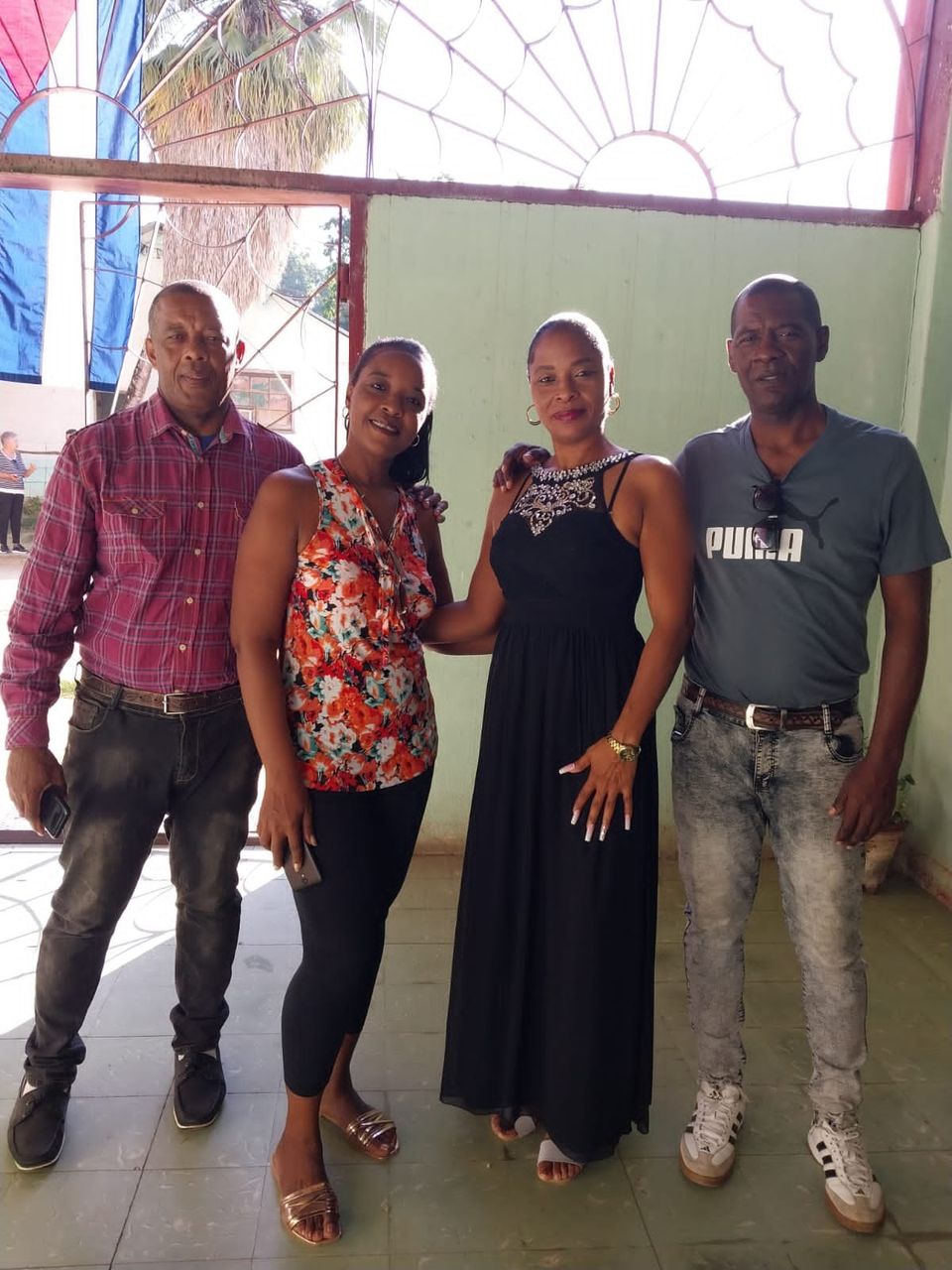
My sisters and my brother joined afterward, each in their own way: one with humor to ease the weight, another with wise words, another with silences that accompanied. Together they built a bridge so I could return to myself.
Even so, I knew I needed more than company. I began walking in the afternoons, first aimlessly, then seeking the seawall, where the ocean has always had the courtesy of listening without judgment. I discovered that the movement of the body helped emotions move as well.
I enrolled in a writing workshop, not to write about what was happening to me, but to remember that I could still create, imagine, build something that didn’t depend on my cells or my diagnoses. There I found voices carrying their own battles, and in that exchange I understood that vulnerability is not a defeat but a form of humanity.
With time, I began doing small things that restored my sense of belonging to the world: cooking for my family, organizing my books, listening to music that made me feel accompanied. I even adopted the habit of planting a seed every now and then, as a symbolic gesture that life can sprout in many ways.

My family became my support, my refuge, the place I could go to avoid loneliness, and my nieces, nephews, and students became the children life did not give me.
A final reflection
Today I know that that breakup was not the end of anything, but the beginning of a deeper understanding: that fatherhood is not limited to biology, that love is not measured by the ability to conceive, and that one can be reborn even from the most intimate losses.
I learned that I was not alone. I never was. And that sometimes life takes something from us only to force us to look toward those who have always been there, holding us without conditions.
Note: The photos are my property.
I used DeepL Translate.