
My name is Esther Ariyo, and this is my second post in this community. I promise to abide by all the rules of this group, including the use of tags and other guidelines. If you notice that I am not following the rules and regulations set by the leadership, please do not hesitate to correct me. Tags have been checked, and membership confirmed.
Here, I will be discussing a rare animal species that many of us might have seen on TV or in cartoons. But I want to tell you that some of these animals are real in nature and have fascinating anatomical features. I have explored both the wild and my garden for to gain a detailed understanding of Roly Poly. In my personal research, I found out that these bugs are not just a product of human imagination—they play important roles in soil health and plant life as a whole.
Below, you will find pictures taken during this research. And it depict images of
Armadillidium vulgare


These creatures have different names, but they all belong to the family Armadillidiidae, which includes pill bugs, woodlice, doodle bugs, potato bugs, and more. But because of a YouTube video that I have watched, I will call them roly polies. That’s kind of cool, right?
These bugs look like tiny buds, but they are different. This is because they have the unique ability to form balls—a defense mechanism they use to protect themselves.
Look at the bugs on my hands, and you’ll see they are tightly rolled up. Their bodies look like tough metal armor.


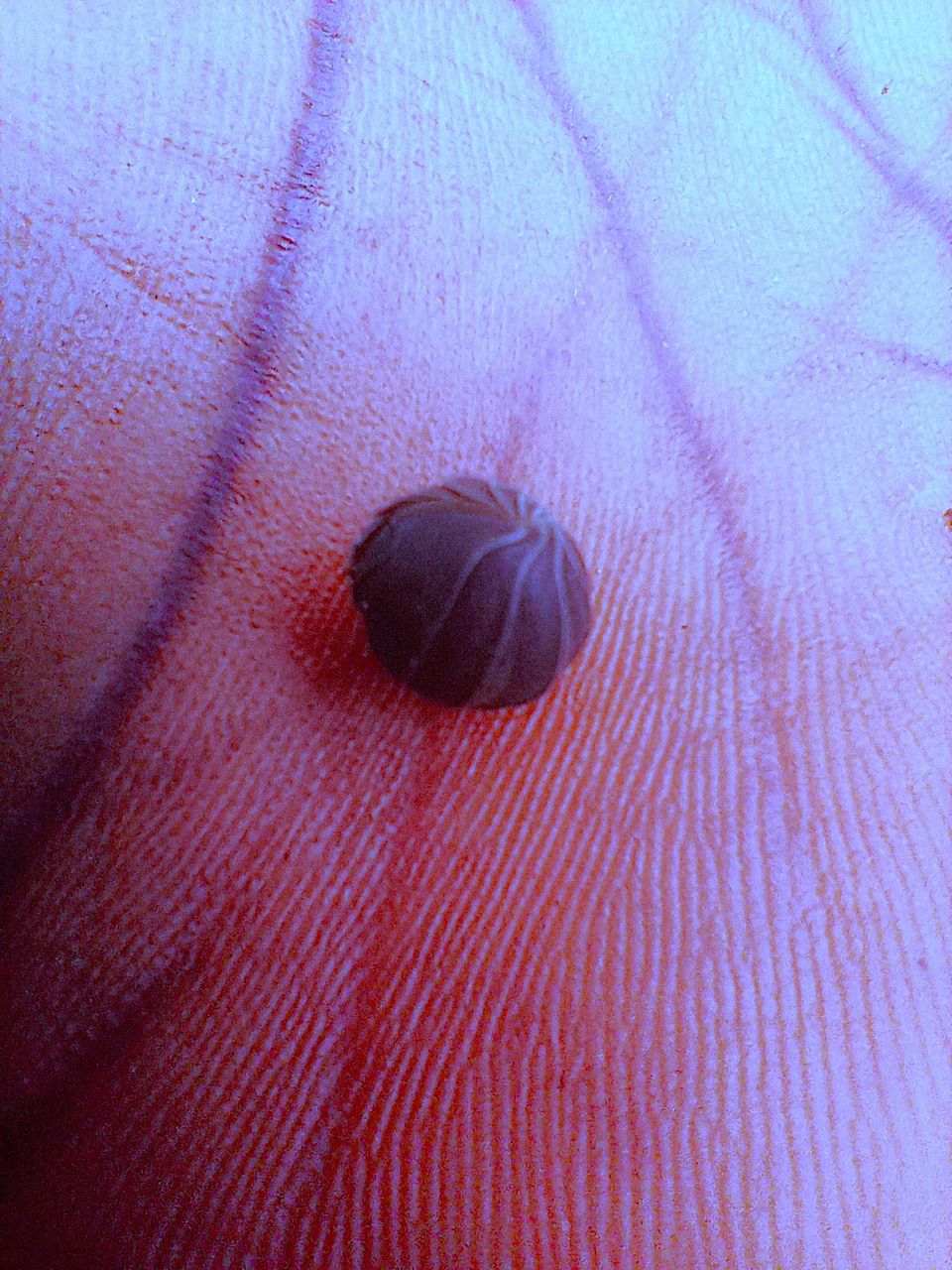
Roly polies have gills, and because of these gills, they require moisture to survive. Without water, they will die. Infact they are the only crustaceans that have developed a fully terrestrial lifestyle.
Originating from Europe, I-naturalists say this bug is the most extensively studied terrestrial isopod. They cannot survive in water, but they hide under moist rugs, grasses, and rocks that retain moisture—such as in my case!
Like the earthworm we discussed last week, roly polies also help develop topsoil and aerate it. They are considered pests and typically live an average of 1 to 2 years. According to Wang et al. (2023), these bugs are ecological bioindicators of soil health. They also play important roles in soil fertility, plant nutrient cycling, and soil purification, although they may sometimes feed on fine roots and young leaves.
Pill bugs are detritivores, which means they feed on decaying dead leaves and the remains of small invertebrates. No wonder I found them under the decaying grass and leaves, as shown in the picture below.

You can also see me going wild into the bush, searching for the bugs—especially along the wild paths. But I found more in the garden, under decaying leaves, as I mentioned earlier. Roly polies reproduce via eggs, and the females protect their tiny young. Interestingly, some humans consume them, calling them "wood shrimps."


Despite the ability of these roly polies to consume fungi while feeding on organic matter, some fungal plants still exist. Interestingly, fungi and roly polies share a lot in common—I mean, as you might have guessed—they both help in decomposition.
But there is more to this. When roly polies move through decaying matter, they carry fungal spores on their exoskeletons and in their digestive tracts. This helps disperse fungi across the soil, promoting fungal colonization elsewhere—very similar to how insects like butterflies and houseflies help pollinate flowers.
However, studies have shown that roly polies can also be attacked by entomopathogenic fungi (insect-killing fungi), though this is rare.


Finally, I would say roly polies and fungi share the same ecological niche due to their feeding patterns and longing for water. My findings also indicated that there are more of these bugs in a concentrated region of the garden that is isolated near the fence and moist year-round than some regions in the wild, probably because these wild regions are prone to fluctuation in moisture concentration. In addition, I found more of the light-skinned bugs in the wild, which could only mean rapid development of these bugs. Join me in the online adventure by reading about the robotic application of roly-polies by Lanctot et al. (2023). Let me know what you think in the comment section below.
Thank you.
*ALL IMAGES ARE TAKEN BY ME (
References
Fonteno, W. C., Fields, J. S., & Jackson, B. E. (2013). A PRAGMATIC APPROACH TO WETTABILITY AND HYDRATION OF HORTICULTURAL SUBSTRATES. Acta Horticulturae, 1013, 139–146. https://doi.org/10.17660/ActaHortic.2013.1013.15
Lanctot, S., Montoya, J., Dunaway, C., Elizalde Flores, C., Barstow, J., Eisenberg, S., Good, F., Davis, N., Zhang, S., Janney, W., & Hassanalian, M. (2023, January 23). Pill Bug-Inspired Robot with Crawling and Rolling Locomotion Mechanisms for Use on the Lunar Surface. AIAA SCITECH 2023 Forum. AIAA SCITECH 2023 Forum, National Harbor, MD & Online. https://doi.org/10.2514/6.2023-2290
Wang, S., Zhu, Z., Yang, L., Li, H., & Ge, B. (2023). Body Size and Weight of Pill Bugs (Armadillidium vulgare) Vary between Urban Green Space Habitats. Animals : an open access journal from MDPI, 13(5), 857. https://doi.org/10.3390/ani13050857