
Trip to page

C.k. Tedam University of Technology and Applied Sciences is was there freshest week celebration when they took a trip to Paga.


At last we have arrived

As I stepped into the lush surroundings of Paga, a small town in Ghana's Upper East Region, I had no idea that my day was about to take an exciting turn. My adventure began with a visit to the Paga Crocodile Sanctuary, a haven for these ancient creatures.

As I approached the sanctuary, I felt a mix of thrill and trepidation. Suddenly, I found myself face to face with a massive crocodile, its scales glistening in the sunlight. My heart raced as I realized I was about to have a close encounter with these fascinating beasts.

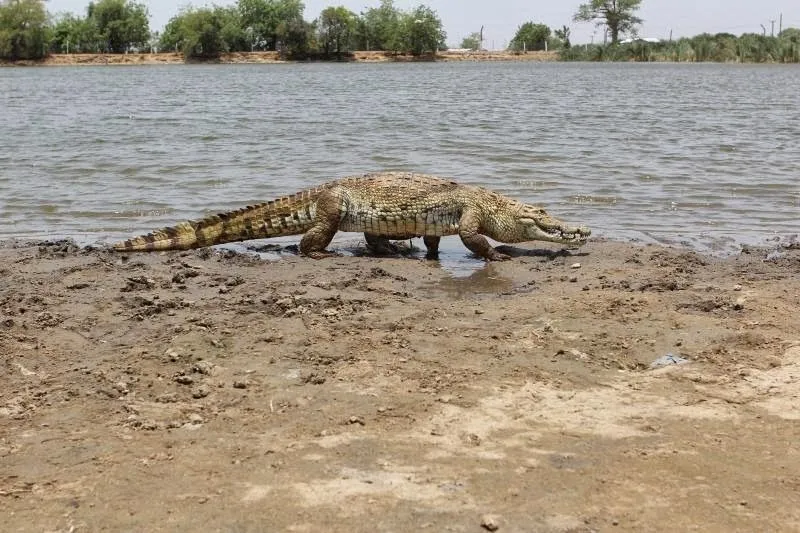
The guide led me to a shallow pool where several crocodiles lazed about, their eyes seemingly fixed on me. I cautiously approached the water's edge, mesmerized by their prehistoric presence. One of the guides offered me a chicken carcass to feed the crocodiles, and with trembling hands, I extended my arm, and a snout emerged from the water to snatch the treat.


The experience was both exhilarating and humbling, a reminder of the beauty and power of nature. As I left the sanctuary, I felt grateful for the opportunity to connect with these incredible creatures and the dedicated individuals working to protect them.
Paga was an unforgettable experience, one that left me with a newfound appreciation for the beauty and wonder that awaits us when we venture out of our comfort zones.@Salman-faris55

Salaga Slave market

Salaga, a small town in Ghana's Northern Region, holds a somber secret. Once a thriving slave market, Salaga was a hub for the transatlantic slave trade, a painful reminder of the brutal exploitation and suffering inflicted upon millions of Africans.

Established in the 17th century, Salaga Slave Market was a major center for the sale and trade of enslaved people, with thousands being sold to European colonizers and transported to the Americas. The market was notorious for its harsh conditions, with captives being held in cramped and unsanitary conditions, subjected to physical and emotional abuse.

The market's peak in the 18th and 19th centuries saw the sale of millions of people, with estimates suggesting that up to 10,000 slaves were sold annually. The slave trade was fueled by European demand for labor in the Americas, with Salaga serving as a critical supply point.

Today, the Salaga Slave Market stands as a haunting reminder of the atrocities committed. Visitors can explore the remnants of the market, including the slave cells and the auction block. The site serves as a poignant tribute to the resilience and strength of those who endured the unimaginable.

Efforts are being made to preserve the site and educate future generations about the devastating impact of the slave trade. The Salaga Slave Market is a somber reminder of the dark history that shaped the world we live in today.
Let us honor the memories of those who suffered and work towards a future where such atrocities can never happen again.