

The month of June has once again sparked anger towards ways in which the United States justice system goes about public safety. Understandably, people are advocating for change and reform. But a different kind of movement against policing has resurfaced and this time, people are beginning to pay closer attention to it. Police abolition (which can also be referred to as Defunding The Police in this specific context) has presented itself as a solution to the current problem. However, the idea of economically stripping down the Police Departments maybe even to the point of abolishing them across the country is one people are hesitant to get on board with. And I don’t blame them. It can be scary to re-imagine how our society might function without the police, even though they can often cause more harm than good. The main question and concern outsiders to the movement often have is: “Without the police who or what will keep our communities safe?”. These are things members of the movement have been considering for years, and although Police Abolitionists don’t want it to come to that point, they nonetheless interpret these systemic problems as too deeply ingrained into the fabric of our law enforcement system for United States Policing to be salvageable.
It stems from the fact that the US government is not collectively interested in investing in the wellbeing of our communities. Economically speaking the US has been spending more money on police than on public housing

and on putting and keeping people in prisons than on public education.

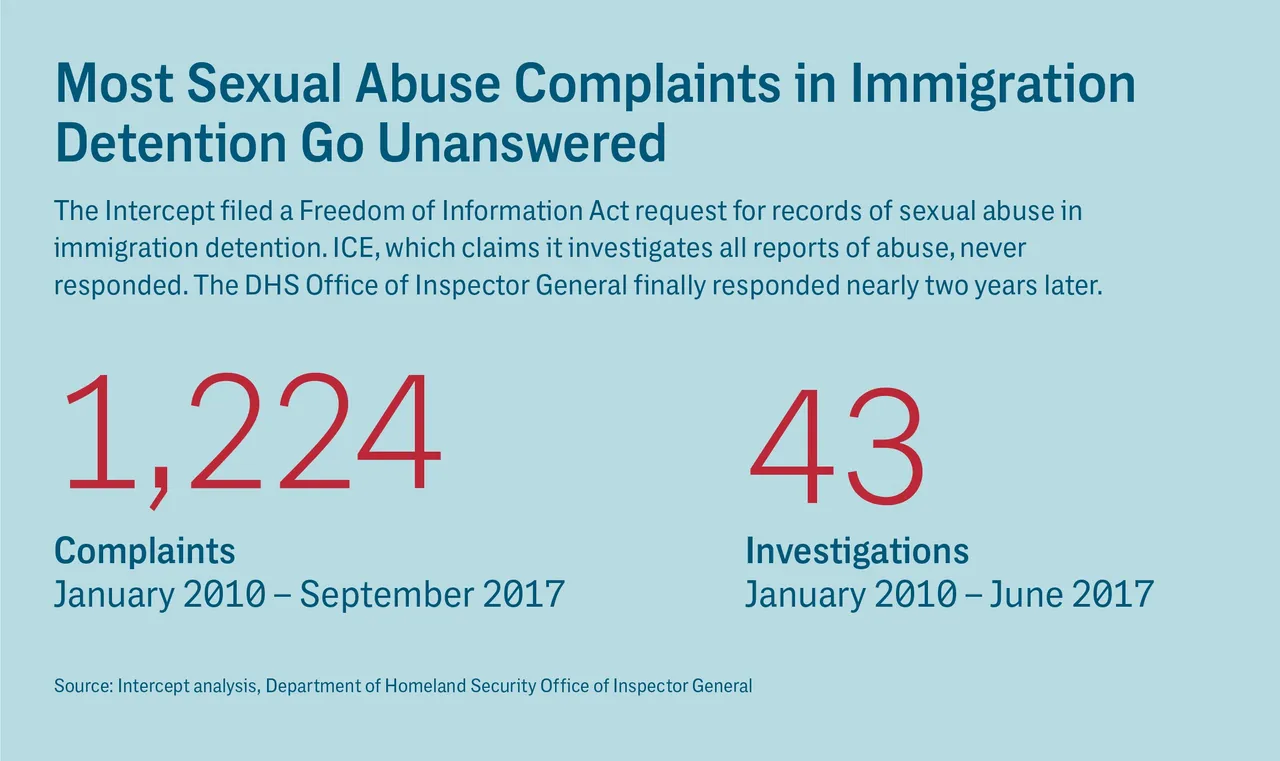
Immigrations and Customs Enforcement is under public scrutiny for its mistreatment of immigrants and detainees.

Countless Americans were also not sufficiently economically supported by the government during the early months of the pandemic.

All of this is enough to make most feel like the government’s focus is being directed less towards serving American society and more towards maintaining oppressive dominance over the economy and general population. Specifically in regards to the Justice system, If we look at the history of policing in the United States we can see on some level, it’s always been this way and it will probably continue being this way if the police as we currently know them are allowed to exist.
In the deep south, American policing started as slave patrols. Slave patrols were vigilante groups of white men who enforced laws related to slavery which began in South Carolina at the beginning of the 18th century. Slave patrolling ended soon after the American Civil War along with the legal abolishment of slavery. This did not stop the culture of white supremacy in public offices and law enforcement. The Black Codes were enacted shortly after slave abolition to lawfully control black people and restrict their economic and social mobility. Although they only lasted for a few years, the racial laws that replaced them continued to politically terrorize the African American population. Former Confederate soldiers working as police and judges did everything in their power to keep the black Americans oppressed. For about 80 years Jim Crow laws enforced racial segregation between white people and people of color so enforcing those laws was part of the police’s duty. People of color who violated these laws were subject to police brutality. The police also far too often refused to prosecute and punish perpetrators of violent hate crimes like lynchings and mob assaults.
Throughout the 19th and 20th century police forces were primarily filled with white, male, undertrained public servants who were tasked to focus more on disorder and disruption of social norms rather than put their energy into responding to crimes. If this is beginning to sound familiar it is because we as a society have yet to fully shed the white supremacist legacy that policing has offered this country. People of color still disproportionately face police brutality, police killings, racial profiling, and longer prison sentences than their white counterparts. More recently, hangings of black people around the country have begun to make it to the spotlight of media coverage and these are all being ruled as suicides even though many members of the community are expressing their concerns that they aren’t. People in the communities where the hangings occurred know these are lynchings and they know police are refusing to investigate them just as they have always often ignored the plight of black Americans facing hate crimes.
Reforms have been carried out as an attempt to rectify these problems. One of them, body cams for police officers, was meant to help hold police accountable when they are caught on tape blatantly misbehaving or abusing their power. The Lab @ DC, a research lab in Washington DC, did a study and through their hard work they did not find body cams to have any statistically significant effect on police behaviour specifically as it relates to arrests for disorderly conduct.
Implicit bias training is also a reform that was put in place to help correct police behaviour. Dr. Cantone, an online curator for the Federal Judicial Center, gathered research and studies on how effective Implicit Bias Training is. What the results show is that implicit bias-reduction training doesn’t have the lasting effect that it would need to have in order to make the changes in policing culture that we need to see. It also shows that bias-reduction goes beyond just targeting it at the individual level, that we need to actively make our social environment one in which police brutality and police negligence are actively discouraged and challenged. We need more than just reform, we need a radical transformation of policing culture as we know it in the United States.
Arguably so much so that American society must completely re-imagine how public safety and security should function. In order to do this, we cannot look to our current police system as a point of reference because it has never been an institution that has role-modeled a well developed and capable government entity with the best interest of citizens fully in mind.
When people advocate for Defunding The Police, they don’t always mean to the extent of getting rid of the police, but they always tend to want economic support to be shifted to other vital community services funded by local municipalities that have otherwise been neglected. When Defunding The Police to the point of abolishment, this is still one of the main objectives. The other one is to rebuild a legally recognized agency for public safety from the ground up. That sort of thing does not and will not happen overnight even if the majority of government officials advocate for police abolition far and wide. Thankfully, steps have already been taken towards establishing better forms of public safety by method of police abolition.
In the past decade, Camden, a city in New Jersey with one of the highest crime rates in the country, has seen a huge decrease in criminal activity

The major change that led to this positive impact on their community, was the complete abolishment of their police force. As they were doing so, Camden worked on replacing it’s previous police department with an entirely new one that is now under county control instead of being run by the city itself. Camden’s successful efforts to defund the police are by no means completely perfect and well organized. It was and continues to be a VERY politically turbulent decision that Camden made, which was one that unfortunately led to the new Camden police employees earning less money and fewer benefits than the old Camden police force. However, the good that came from this change far outweighs the negatives, especially since the average Camden police officer salary is still very much a livable wage for residing in New Jersey.
For example, when looking at Camden as a point of reference for how public servants and safety should be, we can see that Camden’s policing culture does not seek to reward police officers for the amount of tickets they write or arrests that they make. Instead they are invested in responding to complaints made by residents and making sure members of the community are safe and feel secure. The metric for which Camden’s police force measures their individual success is not based on their ability to punish and chastise the guilty but to de-escalate stressful situations, aid victims, and listen to the residents that they are sworn to protect. To say that “using excessive force in situations that do not require it is not an effective way to reduce crime” shouldn’t be such a foreign, radical idea to most people when the data and reports show that true public safety isn’t about aggressive peacekeeping.
In many ways doing what Camden did could be ideal for many other cities in the United States, because Police Abolition doesn’t always have to mean the end of policing as a form of public safety in general. Yet, it is important to understand that what ultimately made Camden the success story that it is was the constant pressure and radical efforts from local activists to hold the Camden police force accountable for their lackluster work, not defunding and rebuilding their police force. So, when police abolition means diverting from policing as public safety completely and entirely, this may be the best long term outcome for taking better care of our communities.
Minneapolis has recently become another example of an attempt at permanently abolishing the police. After the death of George Floyd a massive surge of civil unrest and protesting occurred in the city as a direct response to the horrific murder that was caught on camera at the hands of their own communities’ police officer. This wasn’t the first time a black person was unjustly killed by a Minneapolis Police Officer. Minneapolis activists argued that the Minneapolis Police Department had gotten to a point that it was beyond reform and needed to be dismantled. The Minneapolis City Council agreed and signed a pledge to abolish the MPD. This definitely won’t happen overnight, so in the meantime the City Council and state government are legally preventing police officers from using chokeholds, obligating officers to intervene if they see one of their coworkers using one, and investigating into the MPD’s history of discrimination.
The City Council intends to spend a year conducting research on public safety alternatives for Minneapolis with the intention of finalizing a plan for the city's future as one without policing. They would replace the Minneapolis Police Department with a new government agency called the “Department of Community Safety and Violence Prevention”. If the majority of voting residents of Minneapolis approve the proposed amendment on the ballot this November, then the decision will be finalized and MPD will no longer be an established department on May 1st 2021. My hope is that most people in Minneapolis see the damage that United States policing can do to communities that are supposed to benefit from it.
In fact, I hope most people in general understand how reform is not possible in America when the foundation of police culture is rooted in violence and bigotry. This isn’t about weeding out a small population of terrible people and their horrible beliefs about the citizens they are supposed to protect that find their way into police departments when the whole thing is killing the field. We need to completely uproot this system, because a few bad apples, as in a few bad cops, cannot spoil the bunch when the orchard is already full of rot.