This is my entry to 
the topic is: Favourite Authors | тема месяца: Писатели
Некоторые книги блестят ярко, но по прошествии лет оказывается, что их свет виден / понятен / важен лишь современникам, в силу актуальности и, так сказать, близкого горизонта затронутой проблематики. Все течет, меняются войны, в которых люди умирают, меняется мода, ассортимент потребления и предел мечтаний, а люди остаются те же самые. Но есть другие книги, которые трогают вечные вопросы, которые беспокоили людей во все времена. Такие книги становятся культурным кодом нации, или даже всего человечества. Таких книг было много в предыдущие геологические эпохи, когда люди еще делали что-то не ради денег...
Some books shine brightly, but their light is visible and understandable only to the contemporaries, because of the relevance and, khm, the close horizon of problems shown there. Everything flows, humans die in different wars, the fashion and range of consumption vary, the limit of humans dreams also differs, but humans are always the same. But there are other books that touch the eternal questions that concern any person at all times. These books become the cultural code of the nation(s), or even of the whole humanity. There existed much more books of such kind in previous geological epochs, when people used to do something not for the sake of money more often...
My nominations are:
Erich Maria Remarque / St. Lem / Roger Zelazny
nom.1 ::. Erich Maria Remarque
Моя первая номинация образовалась без долгих размышлений. Книги Ремарка безусловно стоят того, чтобы их прочесть - все. Какие-то из них входят в программу высшей школы, одна - "На западном фронте без перемен" - считается классикой, описывающей времена "потерянного поколения" 1920-х годов. Все они так или иначе, посвящены вечным темам: любви, отношениям мужчины и женщины, войне, товариществу, смыслу жизни... "Ночь в Лиссабоне", "Жизнь взаймы", "Три товарища" - можно перечитывать бесконечно. (Когда-то давно я имел такой критерий качества: книга достойная, если к ней хочется возвращаться). Моя любимая книга "Черный обелиск" описывает жизнь в послевоенной Германии времен Веймарской республики, с ее ураганной денежной инфляцией... и инфляцией смысла жизни. Я достаю ее с полки каждый раз, когда качество жизни в моей стране портится и пробивает "новое дно". Не могу не отметить и тот факт, что Ремарку "повезло" с переводами на русский язык... переводчики дали им вторую жизнь, а это очень важно.
My first nomination have popped up without a second thought. Remarque's books are certainly worth reading - that's all. Some of them are included to the high school programs, “ All Quiet on the Western Front” is a classics, describing the WW1 epoch “lost generation”. Dont you think, "Why should I be intrested in all this BS that have happened 5 generations before?.. Answer is simple: cultural code. Those who do not know their own history are doomed to repeat the mistakes. Remarque's books, one way or another, touch an eternal subjects: love, men and women relationship, partnership, the meaning of life and war ... "The Night at Lisbon", "Life on loan", "Three comrades" - one can re-read them endlessly. (Once upon a time I had such a quality criterion: the book is worthy if you want to come back to it). My favorite Remarque novel, 'The Black Obelisk', is about the life of post-war Weimar Republic of Germany, with its hurricane monetary inflation ... and inflation of the life's meaning. I take it off the shelf every time the quality of life in my country deteriorates and breaks the “new bottom”.
nom. 2 ::. Stanislaw Lem
Номер 2 уже заставил меня подумать, после некоторого колебания, я выбрал Станислава Лема. Это польский писатель-фантаст, чье творчество пришлось на 60-70-е годы. Англоговорящая аудитория, возможно, имеет смутное представление о нем, которое базируется на экранизациях романа "Солярис" (позор!!!!!). Боюсь, даже польская аудитория не обязательно любит и почитает его... А вот советскому читателю в 60-е годы Лем заменял Кафку.... (которого в СССР не издавали).
#2 already made me scratch my head. After some hesitation I chose a Polish science fiction writer Stanislaw Lem. His main activity period was in the 60-70s, at the peak of the Soviet Empire. English-speaking audience may have a vague idea of him, basically aware of slender cinema adaptations of his novel "Solaris" (which is a pure shame !!!). I afraid that even the Polish audience nowadays dont necessarily love and revere him. But to the Soviet readers in the 60-70es Lem meant a lot, in some way he was a substitute for Kafka (which was prohibited and not published in the USSR).
Буду краток: за что? За то, что его книги не стареют! Точно так же, Лем затрагивал в своих романах не сиюминутные вопросы... но смотрел, так сказать, в другую сторону -- в будущее.... в небо... Цикл рассказов "Пилот Пиркс" я считаю вершиной реалистической / натуралистической НФ. Мои любимые романы - "Мир на Земле" и "Футурологический конгресс". Лем был потрясающим футурологом!.. (а еще он был опытным мизантропом, знающим человеческую натуру). Поэтому он удивительно четко предсказал/смоделировал многие идеи/ситуации, касательно развития социума. Например, придумал "фантоматы" - тот самый, упрощенно говоря, развлекательный кибернетический тупик (видеоигры и смартфоны), в который упрется человек. У него есть небольшое эссе "о книгоиздании и плохой литературе". Начиная с 80-х годов Лем перестал писать НФ (он все сказал, ему стало уже неинтересно) и ограничивался футурологией, эссе и интервью.
So: why Lem? I’ll be brief: cause his books do not age! In the same way, Lem touched in his novels an eternal questions ... but, figurally saying, he looked at the other directions: the future... the sky... 'The Pilot Pirks' stories series, I consider to be the peak of realistic / naturalistic SF. My favorite Lem novels are 'Peace on Earth' and 'Futurological Kongress'. Lem was an amazing futurologist! .. (and also he was a knowledgeable, experienced misanthrope). Therefore, he surprisingly clearly predicted / modeled many ideas / situations regarding the mankind development. For example, he came up with “phantomats theory” - to put it simply, an entertaining cybernetical dead end of mankind (video games, smartphones etc). I cant but mention his short essay on reading and bad literature. Since the 80s, Lem stopped contributing to Sci-Fi literature (as he already have said everything he was interested in) and restricted himself to futurology, essays and interviews.
Some covers assorted by me, mainly to the 'Futurological Kongress'. Most of his books thru decades were translated into different languages and got a lot of editions -- and publishers not gonna stop this. He's a XX century classic now.

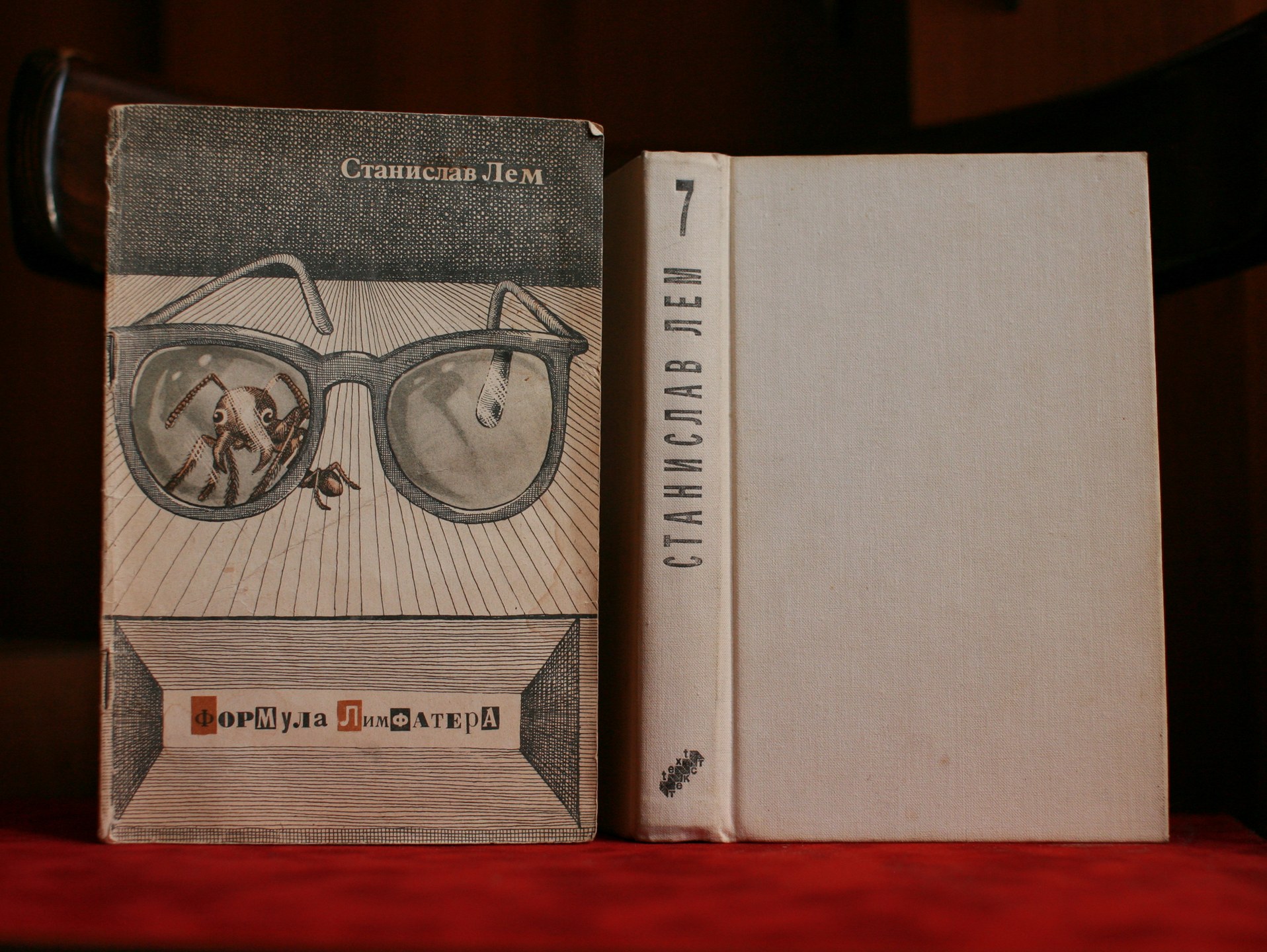
Two books from my library: "The Star Diaries of Iyon Tichii". Paperback on the left is the first Russian Lem publication date back to 1963. On the right - same stories as part of a 10-volume collected works (1994) - an ultimate Russian edition of Lem. (Photos taken by me).
nom. 3 ::. Roger Zelazny
Мой номер третий, возможно, случаен, и в другой раз я назвал бы другое имя. На чашку весов брошено несколько вариантов примерно одинакового веса/ценности, и ак всегда в таком случае, перевес обеспечивают случайные трудноуловимые импульсы души. Я собирался вписать на это место последовательно: Киплинга... Хайнлайна... Уильяма Гибсона... Булгакова (должен же я подсунуть для знакомства хоть одного русскоro автора?!). Но вместо этого, вот вам, знакомьтесь, если еще не слышали: Роджер Желязны. Это американский писатель-фантаст, представитель так называемой "новой волны", пик его творчества пришелся на 70-е годы: сексуальная революция, 7-дневная война, энергетический кризис и окончательная отмена Бреттон-Вудской золотой системы.
My third choice is perhaps random, and another time I will answer it differently. Several options of approximately the same weight / value are thrown onto the scales, and as always in this case, the advantage is provided by random subtle impulses of the soul. I was going to write to this place sequentially: Redyard Kipling... Robert Heinlein... William Gibson... Mikhail Bulgakov (should not I slip you at least one Russian-speaking author to get acquainted with ?!). But instead, here we are, if you have not heard this name before: Roger Zelazny. He is American science fiction writer, representative of the so-called "new wave". His creative peak came in the 70s: the sexual revolution, the 7-day war, the energy crisis and the final abolition of the Bretton Woods gold system.
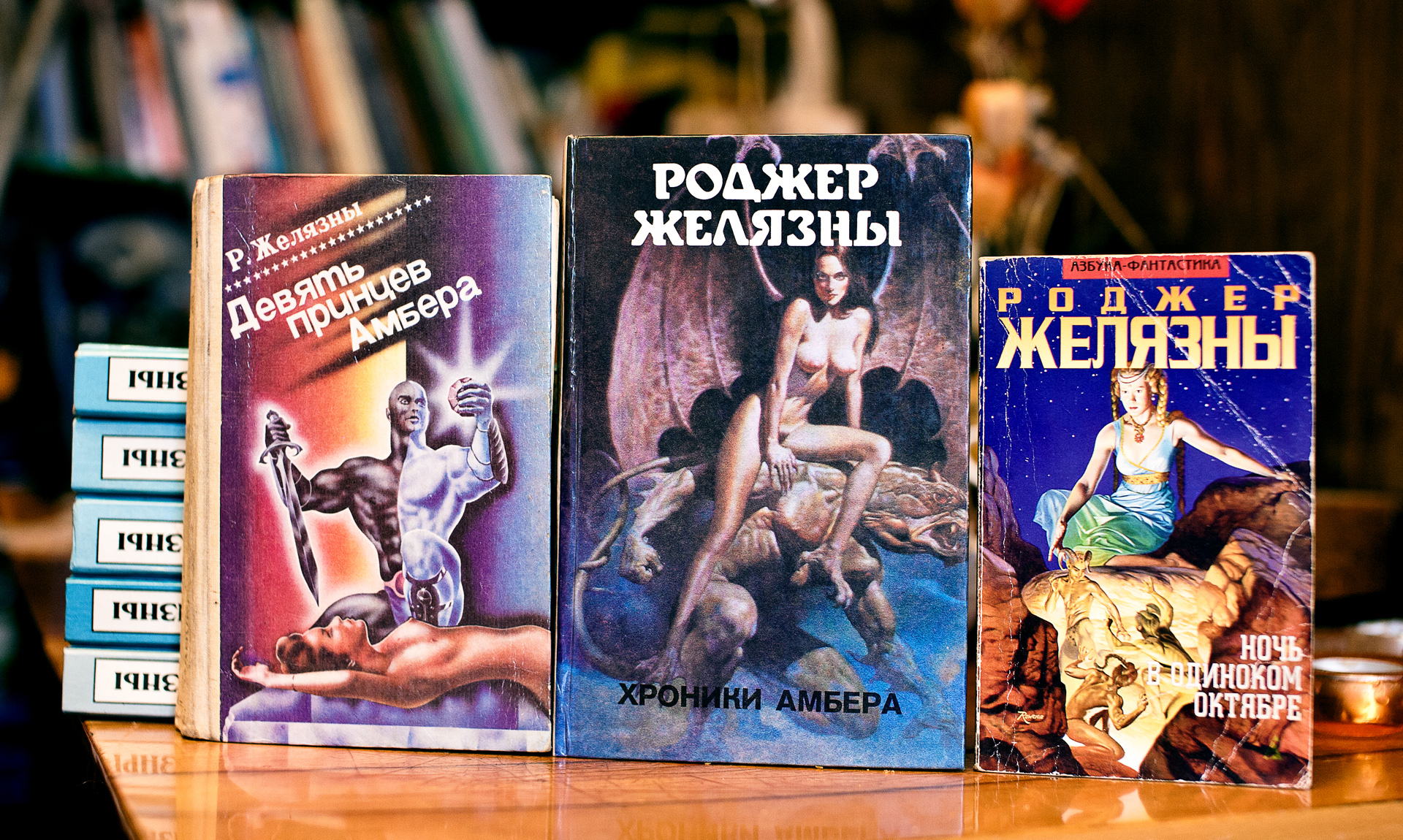
Почему? Потому что он написал сериал "Девять принцев Амбера" - на шесть книжек длиннее, чем у Толкиена! Окей, на пять, если считать "Хоббита", ну на четыре, если посчитать еще и "Сильмариллион". Но у Толкиена на этом список заканчивается, а у Желязны только начинается. Он написал "Князя света" и "Остров мёртвых", и "Знаки дороги", а еще дилогию о Дилвише, он показал, как нужно писать настоящую фэнтези. А его рассказы подобны драгоценным камням.
Why? Because he wrote 'The Nine Princes of Amber' series of novels -- by six books longer than Tolkien's thrilogy! Okay, by five if you count in 'The Hobbit', or by four if you count in 'The Silmarillion'. But here Tolkien’s list is finished, while Zelazny’s list is just beginning. He wrote "The Lord of Light" and "Island of the Dead", and "The Road Signs", and also a dilogy about Dilvish, he showed how to write true fantasy, he renowated the genre and showed new ways.... And his short stories are like the gems.
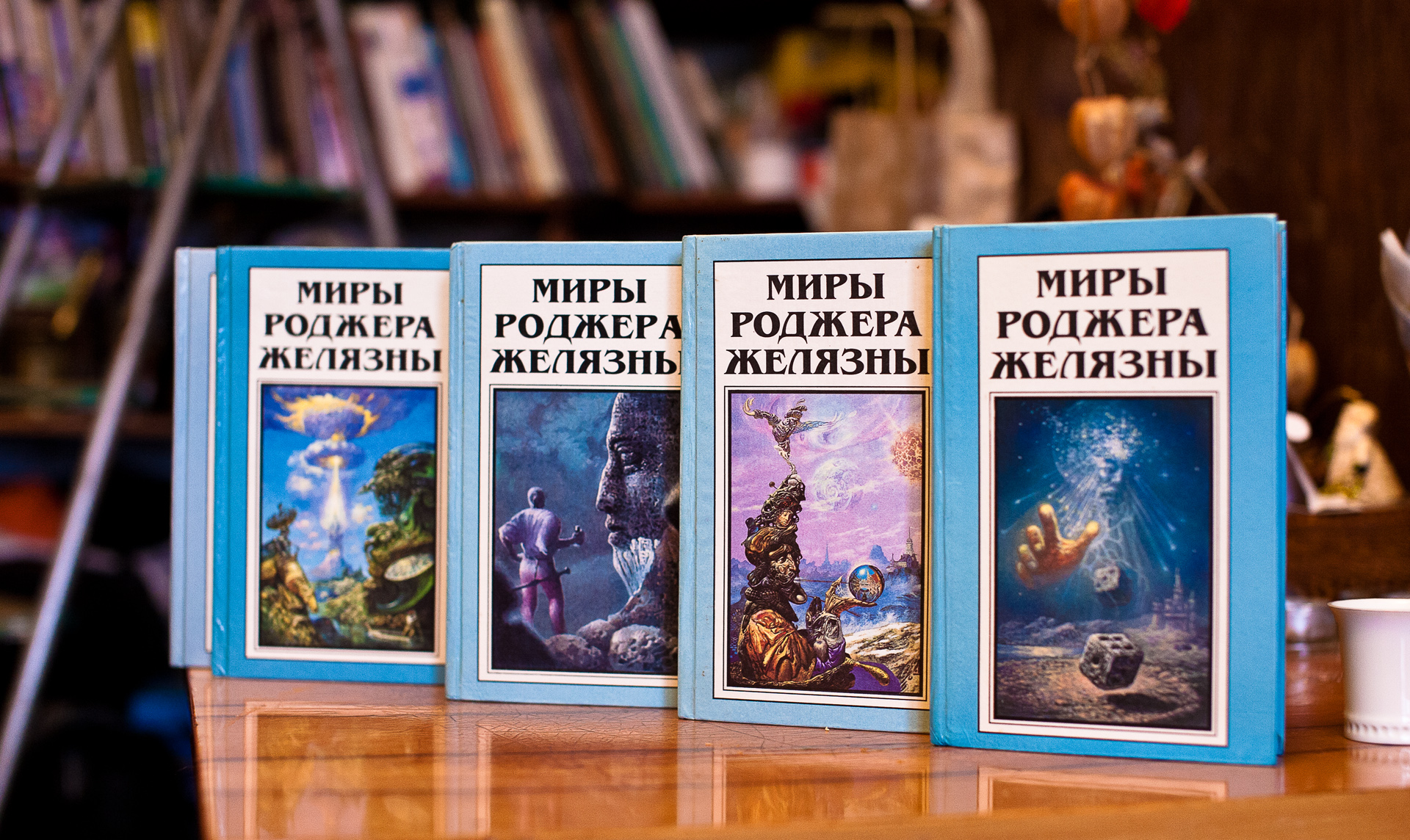
Some Russian editions of Zelazny' books from my library. (Photos taken by me).