
¡Hola, hola comunidad Architecture+Design! Me presento, yo soy Mary y me encanta fotografiar todo aquello que llame mi atención, como por ejemplo: estructuras y fachadas de casas o edificios llamativas. Vivo en una ciudad llamada Caracas que, a pesar de ser un tanto caótica, es sumamente hermosa. Siempre me ha gustado salir a recorrer mi ciudad porque créanme cuando les digo que cada rincón tiene su propia belleza particular, además de que Caracas es toda una gran pieza arquitectónica que resulta ser todo un deleite visual para aquellos que saben apreciar el arte en medio del caos.
Uno de mis lugares favoritos es el casco histórico ubicado en el centro de la ciudad, pues básicamente es una pequeña puerta hacia el pasado, nuestro pasado. Este rincón de la ciudad aún conserva diseños originales, como las casas coloniales, y muchos otros diseños arquitectónicos de gran historia y simbolismo para nosotros los caraqueños. Hace un par de días atrás, y luego de mucho tiempo, caminé por las calles del centro de Caracas llegando a la cúspide de este donde se encuentra una gran estructura en donde se conservan los restos mortales del Libertador Simón Bolívar y de muchos otros personajes destacados de la historia Venezolana. Este lugar del que les hablo es el Panteón Nacional y el Mausoleo del Libertador.
Hello, hello Architecture+Design community! I'm Mary and I love to photograph anything that catches my eye, such as, for example, structures and faults of houses or buildings: structures and faults of striking houses or buildings. I live in a city called Caracas which, in spite of being a bit chaotic, is extremely beautiful. I have always liked to go out and walk around my city because believe me when I tell you that every corner has its own particular beauty, besides Caracas is a great architectural piece that turns out to be a visual delight for those who appreciate art in the midst of chaos.
One of my favorite places is the historic quarter located in the center of the city, because it is basically a small door to the past, our past. This corner of the city still preserves original designs, such as the colonial houses, and many other architectural designs of great history and symbolism for us caraqueños. A couple of days ago, and after a long time, I walked through the streets of downtown Caracas arriving at the top of this place where the mortal remains of the Liberator Simon Bolivar and many other prominent figures of Venezuelan history are preserved. This place I am talking about is the National Pantheon and the Mausoleum of the Liberator..


Tenía mucho tiempo sin ir a este lugar, tanto así que ni siquiera recordaba claramente cómo llegar y mucho menos recordaba la inmensidad de la estructura del Mausoleo. Esta estructura digamos que es relativamente reciente en comparación a muchas otras que se encuentran en todo el casco histórico, pues fue construida en el año 2010 si mal ni recuerdo. Esta estructura es enorme e incluso estando ahí me sentía como una hormiga ante aquella inmensidad de 54 metros de altura. Me hubiese gustado haber entrado al Mausoleo, pero creo que para la hora en la que fuimos ya no se encontraba abierto al público.

En la parte de atrás del Mausoleo, se encuentra una escultura de acero llamada La Rosa Roja de Paita que es justo esta que pueden observar en la fotografía de la derecha. Algo que a veces me molesta de estos lugares históricos es que algunas piezas no poseen su nombre con su debida descripción. Particularmente a mí siempre me da curiosidad saber el nombre de las obras y el simbolismo que se oculta detrás de ellas, me gusta saber el porqué de los artistas para crearla y en qué se inspiraron. Muchas veces, como en este caso, no hay más remedio que acudir a la magia del Internet. Así que, indagando un poco, en San Wikipedia encontré que: el nombre proviene de la denominación que usó Pablo Neruda para referirse a Manuela Sáenz fuente. No es de extrañar que exista cerca del Mausoleo del Libertador alguna escultura dedicada a Sáenz, quién fue su interés sentimental por aquellos tiempos.
I had a long time without going to this place, so much so that I did not even remember clearly how to get there and much less remembered the immensity of the structure of the Mausoleum. Let's say that this structure is relatively recent compared to many others that are found throughout the historic center, as it was built in 2010 if I remember correctly. This structure is huge and even being there I felt like an ant in front of that immensity of 54 meters high. I would have liked to have entered the Mausoleum, but I think that by the time we went there it was no longer open to the public.
In the back of the Mausoleum, there is a steel sculpture called The Red Rose of Paita, which is the one you can see in the photograph on the right. Something that sometimes bothers me about these historical places is that some pieces do not have their name with their due description. I am particularly curious to know the name of the works and the symbolism that is hidden behind them, I like to know why the artists created them and what inspired them. Muchas veces, como en este caso, no hay más remedio que acudir a la magia del Internet. So, digging a little, in Wikipedia I found that: the name comes from the name Pablo Neruda used to refer to Manuela Saenzsource. It is not surprising that there is a sculpture dedicated to Saenz near the Mausoleum of the Liberator, who was his sentimental interest at that time.


Imposible dejar lado al Panteón Nacional que, como les comentaba al principio, este es el lugar donde reposan los restos de personajes relevantes de la Historia de Venezuela como José Antonio Páez, José María Vargas, Teresa de la Parra y muchos otros más. Este lugar también tiene su historia interesante, pues fue construido justo donde se encontraba la Iglesia de la Santísima Trinidad, pero qué lamentablemente quedó destruida luego de un fuerte terremoto que sacudió a todo el Valle de Caracas en el año 1812. Lo que llama la atención de todo este complejo es el contraste de estilos arquitectónicos que existe, pues el Panteón posee un estilo similar al Neobarroco mientras que el estilo del Mausoleo es más moderno y minimalista. No es que esté mal estos contraste, pero al menos a mí me perturba un poco la mezcla de estilos.
Quedé con ganas de acceder al Panteón y al Mausoleo porque sé que en el interior de estas estructuras se encuentran diversas esculturas y pinturas impresionantes, así que anotaré en la agenda una próxima visita a este emblemático lugar del centro de Caracas para luego compartirles la experiencia arquitectónica en una próxima publicación.
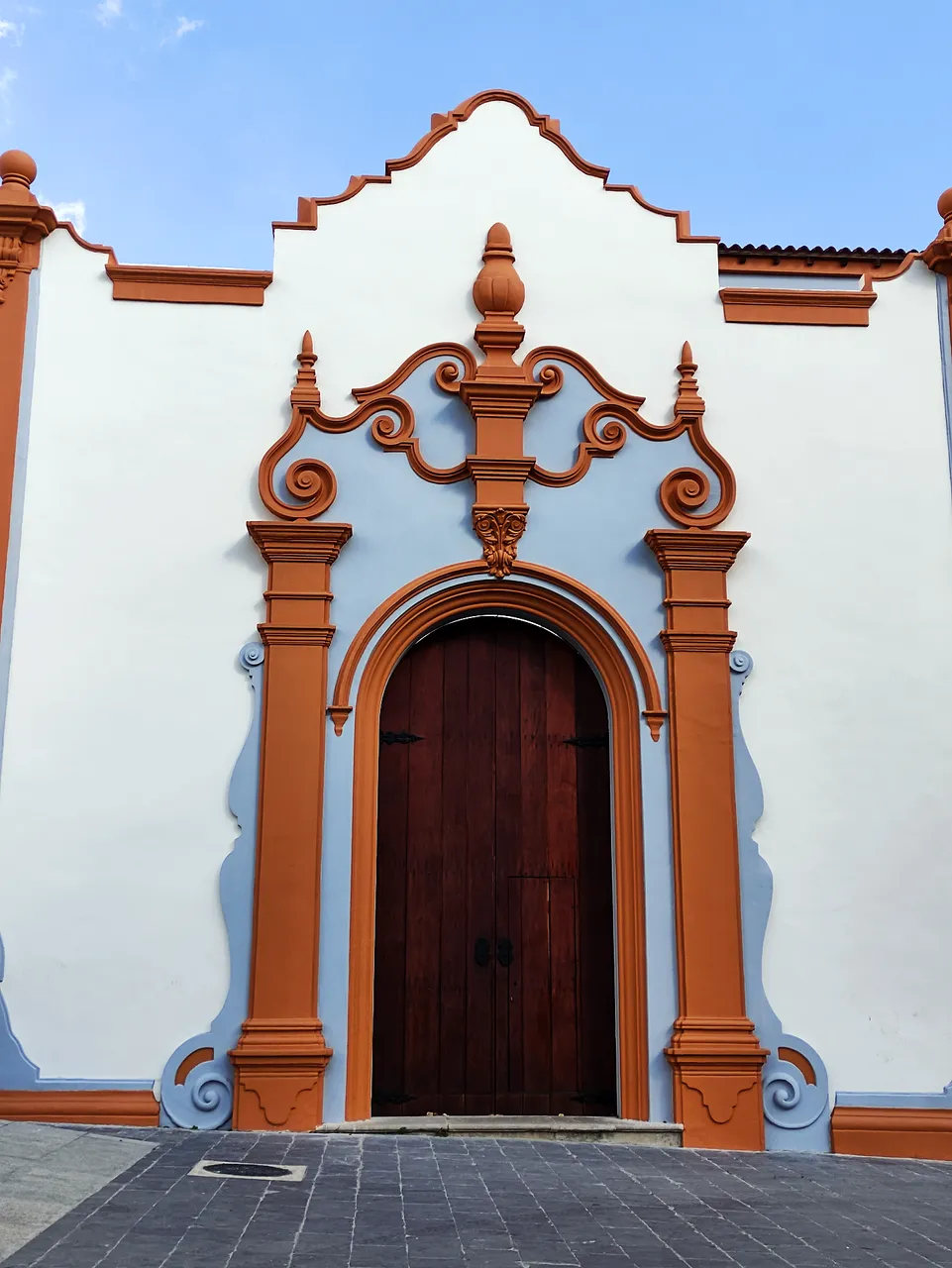
Impossible to leave aside the Panteón Nacional which, as I mentioned at the beginning, is the place where the remains of relevant characters of the history of Venezuela rest, such as José Antonio Páez, José María Vargas, Teresa de la Parra and many others. This place also has an interesting history, as it was built right where the Church of the Holy Trinity was located, but which unfortunately was destroyed after a strong earthquake that shook the entire Caracas Valley in 1812. What is striking about this complex is the contrast of architectural styles that exists, as the Pantheon has a style similar to Neo-Baroque while the style of the Mausoleum is more modern and minimalist. Not that these contrasts are bad, but at least I am a little disturbed by the mix of styles.
I wanted to visit the Pantheon and the Mausoleum because I know that inside these structures there are several impressive sculptures and paintings, so I will note in the agenda a next visit to this emblematic place in the center of Caracas and then share with you the architectural experience in a future post.

Gracias por leer esta publicación. ¡Hasta la próxima!
Thanks for reading this post. See you next time!
📷 Fotografía por | Photography by: 
✎ Edición por | Edition by:
✂ Separador por | Separator by:
Translated with www.DeepL.com/Translator (free version)
