

Hello friends, back again to present another book from the Spiral Collection. This time, it's dedicated to the visual artist René Francisco Rodríguez. It's quite different in style, texture, and theme from the one previously presented on Pedro Pablo Oliva.

Once again, we find ourselves with a catalog, or perhaps an exhibition book, but that doesn't make it any less spectacular to delve into this other aesthetic, which I could perfectly call the aesthetic of the other, because that other is us. Social beings tattooed by the artist in each of his works.


The book suggests that René has been able to immerse himself in a form of constructive ritual as a way of reaffirming what is closest to him, where, of course, we are, and what we have created with our own hands—those objects of reality that help shape stories, as reflected in the following works.

Another point not to be overlooked while enjoying not only the articles that clarify the author's form, history, and style, but also the fact that the author's artistic discourse tends to project his personality in a latent way, like an anthropocentric attention or center of attention that, over time, shifts towards the attention of others as his development turns towards photography.


The book also shows us, almost towards the end, how René seeks ways to narrate our stories, and photography has been the fundamental vehicle for achieving the integration of sociocultural intervention projects, strengthening the creator-cultural promoter relationship. That is to say, from his position as an artist, he seeks ways to connect with the community, not only through images but also through reality itself, acting and reflecting on how to do good for others.


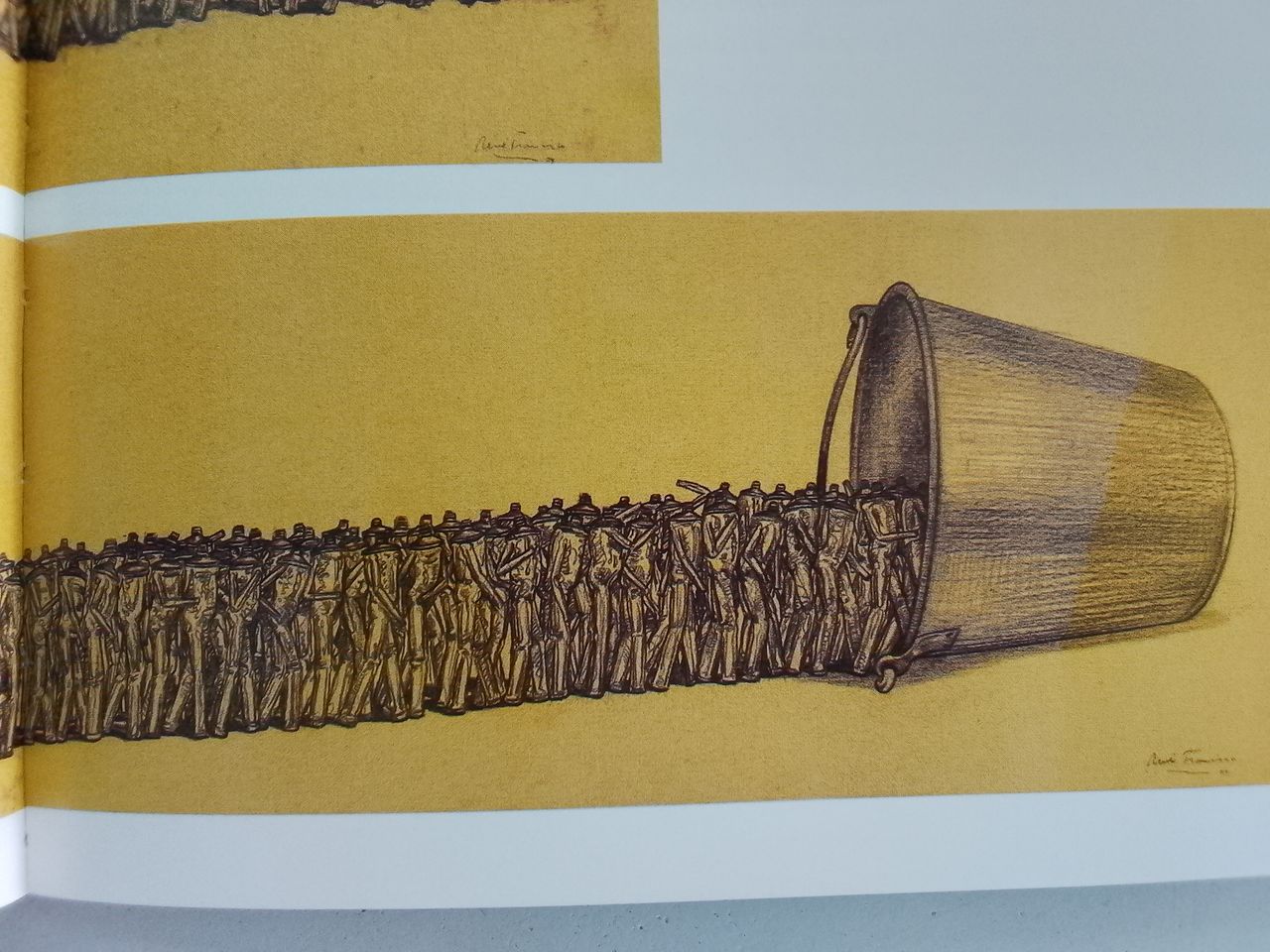
This is why the second part of the book adopts the title "The Eternal Relevance of the Path (Where the Path Unravels)," there where the island's path needs to be built in its own disappearance and renewal.


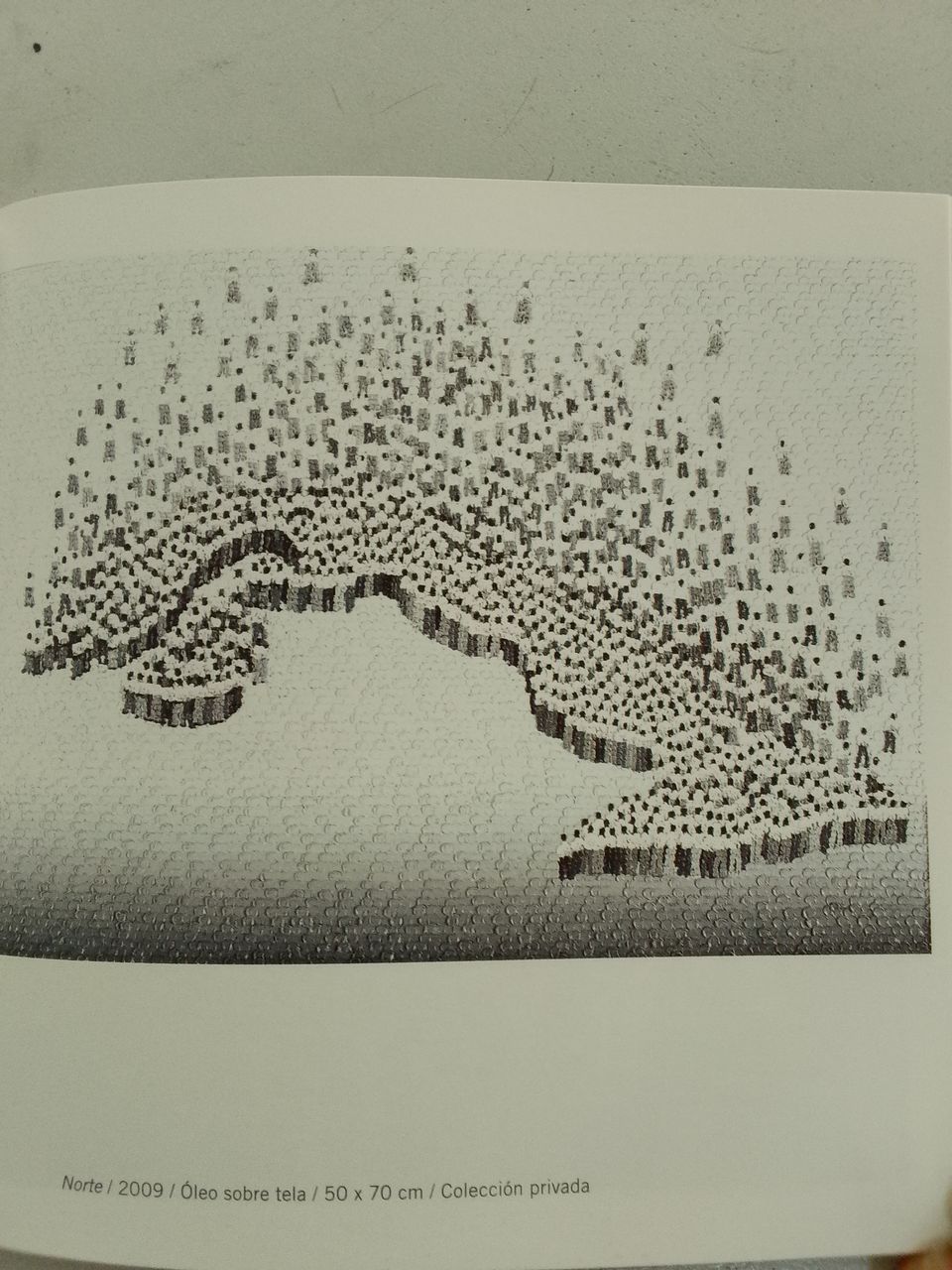


René Francisco's cultural fluidity is readily apparent in this book, not only through the beauty and messages of his works, but also through his evocation of the artist-anthropologist's vision. He is capable of reinterpreting history and revealing our own experiences: those of people sometimes forgotten, humble, vulnerable; communities of devastated houses and buildings crumbling with age; scenes of poverty that often disturb certain leaders (but that is part of the artist's task) when the human suffering is exposed in a society that tends to conceal the wounds of time and the poor decisions that created this unique and different society, yet one trapped in a bubble and unstable. I hope that if you have the opportunity to own this book or enjoy an exhibition of this artist's work, don't miss it!


Thank you very much.


Hola amigos, de nuevo con ustedes para presentarles otro de los libros de la colección espiral. Esta vez el dedicado al Artista plástico René Francisco Rodríguez. Con una total diferencia en estilos, texturas y temáticas con respecto al presentado anteriormente de Pedro Pablo Oliva.
Otra vez nos encontramos con un libro catálogo o tal vez un libro exposición, pero por ello no deja de ser espectacular poder adentrarnos en esta otra estética y que perfectamente podría decir, la estética del otro, porque ese otro somos nosotros. Seres sociales tatuados por el artista en cada una de sus obras.
El libro nos sugiere que René ha sido capaz de sumergirse en una forma de rito constructivo como forma de re-afirmación a lo más cercano, donde por supuesto estamos nosotros y lo creado por nuestras propias manos, aquellos objetos de la realidad que ayudan a conformar las historias y así lo reflejan las obras siguiente.
Otra cuestión que no se debe descartar mientras se disfruta, no solo de la lectura de los artículos que nos aclaran la forma, historia y estilo del autor, es que el discurso artístico del autor de las obras tiende a proyectar su personalidad de manera latente, como una antropo-atención o centro atención que con el paso del tiempo se vuelca a una atención de los demás cuando su desarrollo se vuelca hacia la fotografía.
También el libro nos muestra casi hacia el final como René busca formas de narrar nuestras historias y la fotografía ha sido el vehículo fundamental para lograr la inserción de proyectos socioculturales de intervención. Potenciando la relación creador-promotor cultural. Es decir que desde su posición de artista buscar formas de acercarse al ámbito comunitario, no solo desde la imagen sino también desde la realidad misma actuando y meditando sobre como hacer el bien por los demás.
Es por eso que en una segunda parte del libro se asume el nombre de La eterna pertinencia del camino (Allí donde el camino se deshace), allí donde el camino de la isla necesita construirse en su propia desaparición y renovación.
La fluidez cultural de René Francisco, fácilmente se refleja en este libro, no solo por la belleza y los mensajes de sus obras, lo hace por que se evoca su visión de artista-antropólogo, capaz de releer la historia y mostrar nuestras propias experiencias, esas de personas a veces olvidadas, humildes, vulnerables, comunidades de casas devastadas y edificios derruidos por el tiempo, de escenas de pobrezas que suelen molestar algún que otro dirigente (pero esa es parte de la labor del artista)cuando se muestran los desgarramientos humanos en una sociedad que tiende a ocultar las heridas del tiempo y las malas decisiones que crean esta sociedad tan singular y diferente pero sumida en una burbuja e inestable. Espero que también si tiene la oportunidad de tener este libro o disfrutar de alguna exposición de este autor. ¡No desaproveche el momento!
Muchas gracias.

The text is AI-free, Google translated and proofread by me.
The cover, language separator, and closing text were created in Canva
The photos are my property
El texto es libre de IA, traducido en Google y revisado por mí
La portada, el separador de idiomas y la despedida fueron creadas en Canva
Las fotos son de mi propiedad