

Today I woke up with a special kind of melancholy that does not ask for comfort, but for company. It is a strange sensation, as if the present had suddenly become too narrow and needed its walls widened. Unlike other days, I did not seek refuge in poetry. Instead, I felt an irresistible urge to go back, to retrace my steps, and so, almost without thinking, my hand went directly to the bookshelf in search of an old friend: The Time Machine, by H. G. Wells.
It is not the first time I have read it, but perhaps that is precisely why I needed that familiarity today, that certainty of knowing what I would find between its pages. However, as is the case with good books, every rereading is a different journey because the person undertaking it is different.

I remember the first time I read it and how fascinated I was by the pure adventure of the scientist shattering the laws of physics with his machine of nickel and ivory. That first reading was pure speed, pure vertigo at seeing how the hours and days became a blur outside the window of his invention.
Today, with this melancholy clinging to my bones, the book spoke to me of something else. I paused in the world he arrives at: the year 802,701, in that future that Wells imagined as a decadent garden. And I was overwhelmed to recognize that time, even as it moves forward, does not always mean progress, and that what we find at the end of the road is a sweetened, weak version of what we once were. There are the Eloi, living on the surface, ignorant and happy, while the shadows, the sinister Morlocks, dwell in the depths, feeding on that superficial happiness.

Reading it today was like looking into a dark mirror. The Time Machine is a metaphor for our own consciousness and for that capacity we have to project ourselves forward and to become trapped by what we leave behind. The Traveller returns to tell his story, but he comes back empty-handed, with the proof of his journey and with the certainty that he cannot change anything, just like us, who sometimes wish we could go back just to observe.

Perhaps that is why, upon closing the book, my melancholy did not disappear, but rather transformed. It is no longer a weight, but a landscape. I want to believe it is so because Wells, deep down, was not talking to us about escaping time, but about learning to inhabit it, while reminding us that the present is the only place from which we can build our own machine and travel to the worlds we carry within us.

I am left with that image, so powerful and so fragile: flowers that do not belong to our era, withered in a pocket as proof that time is an ocean through which we all sail, and that the best journeys are not those that take us away, but those that teach us to look anew at our own shore.
Until the next book!

✨ 𝑻𝒉𝒂𝒏𝒌𝒔 𝒇𝒐𝒓 𝒓𝒆𝒂𝒅𝒊𝒏𝒈! ✨
𝑰𝒇 𝒚𝒐𝒖 𝒅𝒐𝒏’𝒕 𝒌𝒏𝒐𝒘 𝒎𝒆 𝒚𝒆𝒕, 𝑰’𝒎 𝒂 𝑪𝒖𝒃𝒂𝒏 𝒏𝒆𝒖𝒓𝒐𝒍𝒐𝒈𝒊𝒔𝒕 𝒂𝒏𝒅 𝒘𝒓𝒊𝒕𝒆𝒓, 𝒂 𝒎𝒐𝒕𝒉𝒆𝒓, 𝒂 𝒘𝒐𝒎𝒂𝒏, 𝒂𝒏𝒅 𝒂 𝒅𝒓𝒆𝒂𝒎𝒆𝒓 𝒘𝒉𝒐’𝒔 𝒇𝒐𝒖𝒏𝒅 𝒊𝒏 𝑯𝒊𝒗𝒆 𝒂 𝒃𝒆𝒂𝒖𝒕𝒊𝒇𝒖𝒍 𝒔𝒑𝒂𝒄𝒆 𝒕𝒐 𝒔𝒐𝒂𝒓.
𝑨𝒍𝒍 𝒕𝒆𝒙𝒕 𝒂𝒏𝒅 𝒊𝒎𝒂𝒈𝒆𝒔 𝒂𝒓𝒆 𝒎𝒚 𝒐𝒓𝒊𝒈𝒊𝒏𝒂𝒍 𝒄𝒓𝒆𝒂𝒕𝒊𝒐𝒏𝒔, 100% 𝒉𝒖𝒎𝒂𝒏-𝒎𝒂𝒅𝒆 (𝒏𝒐 𝑨𝑰).
𝑩𝒂𝒏𝒏𝒆𝒓 𝒅𝒆𝒔𝒊𝒈𝒏𝒆𝒅 𝒃𝒚 𝑳𝒖𝒎𝒊𝒊.
𝑳𝒐𝒗𝒆𝒅 𝒕𝒉𝒊𝒔 𝒑𝒐𝒔𝒕? 𝑼𝒑𝒗𝒐𝒕𝒆, 𝒄𝒐𝒎𝒎𝒆𝒏𝒕, 𝒐𝒓 𝒓𝒆𝒃𝒍𝒐𝒈 𝒕𝒐 𝒔𝒑𝒓𝒆𝒂𝒅 𝒕𝒉𝒆 𝒘𝒊𝒏𝒈𝒔 𝒐𝒇 𝒄𝒓𝒆𝒂𝒕𝒊𝒗𝒊𝒕𝒚! 💛

VERSIÓN EN ESPAÑOL
Regresar a La Máquina del Tiempo || Reseña
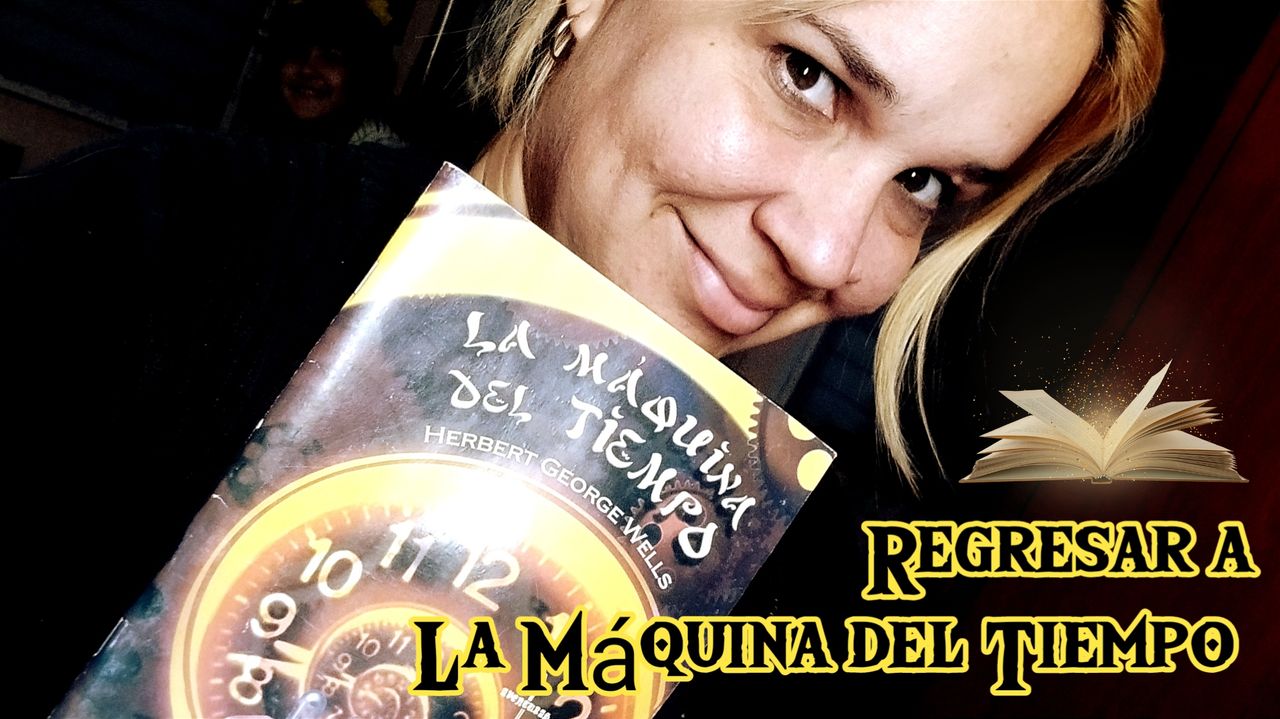
Hoy me he levantado con una melancolía especial que no pide consuelo, sino compañía. Es algo así como una sensación extraña, como si el presente se hubiera vuelto de repente demasiado estrecho y necesitara ensanchar sus paredes. A diferencia de otros días, no he buscado refugio en la poesía, sino que me han entrado unas ganas irresistibles de retroceder, de desandar lo andado y así, casi sin pensarlo, mi mano ha ido directamente a la estantería a buscar un viejo amigo: La máquina del tiempo, de H. G. Wells.
No es la primera vez que lo leo, pero quizá por eso mismo necesitaba hoy de esa familiaridad, de esa certeza de saber qué iba a encontrar entre sus páginas. Sin embargo, como ocurre con los buenos libros, cada relectura es un viaje diferente porque una es diferente al emprenderlo.
Recuerdo la primera vez que lo leí y lo fascinada que quedé por la aventura pura del científico pulverizando las leyes de la física con su máquina de níquel y marfil. Aquella primera lectura fue pura velocidad, puro vértigo al ver cómo las horas y los días se convertían en un borrón fuera de la ventanilla de su invento.
Hoy, con esta melancolía pegada a los huesos, el libro me ha hablado de otra cosa. Me he detenido en el mundo al que llega: el año 802.701, en ese futuro que Wells imaginó como un jardín decadente. Y me ha sobrecogido reconocer que el tiempo, incluso cuando avanza, no siempre significa progreso y que lo que encontramos al final del camino es una versión edulcorada y débil de lo que fuimos. Allí están los Eloi, viviendo en la superficie, ignorantes y felices, mientras las sombras, los siniestros Morlocks, habitan en las profundidades, alimentándose de esa felicidad superficial.
Leerlo hoy ha sido como asomarme a un espejo oscuro. La máquina del tiempo es una metáfora de nuestra propia conciencia y de esa capacidad que tenemos de proyectarnos hacia adelante y de quedar atrapados por lo que dejamos atrás. El Viajero regresa para contar su historia, pero vuelve con las manos vacías, con la prueba de su viaje y con la certeza de que no puede cambiar nada, igual que nosotros, que a veces quisiéramos volver atrás solo para observar.
Quizá por eso, al cerrar el libro, mi melancolía no ha desaparecido, sino que se ha transformado. Ya no es un peso, sino un paisaje. Quiero creer que es así porque Wells, en el fondo, no nos hablaba de escapar del tiempo, sino de aprender a habitarlo, mientras nos recuerda que el presente es el único lugar desde el que podemos construir nuestra propia máquina y viajar a los mundos que llevamos dentro.
Me quedo con esa imagen tan poderosa y tan frágil que es la de unas flores que no pertenecen a nuestra era, marchitas en un bolsillo como prueba de que el tiempo es un océano por el que todos navegamos, y que los mejores viajes no son los que nos alejan, sino los que nos enseñan a mirar de nuevo nuestra propia orilla.
¡Hasta el próximo libro!

✨ ¡𝑮𝒓𝒂𝒄𝒊𝒂𝒔 𝒑𝒐𝒓 𝒍𝒆𝒆𝒓! ✨
𝑺𝒊 𝒂ú𝒏 𝒏𝒐 𝒎𝒆 𝒄𝒐𝒏𝒐𝒄𝒆𝒔: 𝒔𝒐𝒚 𝒏𝒆𝒖𝒓ó𝒍𝒐𝒈𝒂 𝒚 𝒆𝒔𝒄𝒓𝒊𝒕𝒐𝒓𝒂 𝒄𝒖𝒃𝒂𝒏𝒂, 𝒎𝒂𝒅𝒓𝒆, 𝒎𝒖𝒋𝒆𝒓 𝒚 𝒔𝒐ñ𝒂𝒅𝒐𝒓𝒂 𝒒𝒖𝒆 𝒆𝒏𝒄𝒐𝒏𝒕𝒓ó 𝒆𝒏 𝑯𝒊𝒗𝒆 𝒖𝒏 𝒉𝒆𝒓𝒎𝒐𝒔𝒐 𝒆𝒔𝒑𝒂𝒄𝒊𝒐 𝒑𝒂𝒓𝒂 𝒗𝒐𝒍𝒂𝒓.
𝑬𝒍 𝒕𝒆𝒙𝒕𝒐 𝒚 𝒍𝒂𝒔 𝒊𝒎á𝒈𝒆𝒏𝒆𝒔 𝒔𝒐𝒏 𝒅𝒆 𝒎𝒊 𝒂𝒖𝒕𝒐𝒓í𝒂, 100% 𝒉𝒖𝒎𝒂𝒏𝒐𝒔 (𝒔𝒊𝒏 𝑰𝑨).
𝑩𝒂𝒏𝒏𝒆𝒓 𝒅𝒊𝒔𝒆ñ𝒂𝒅𝒐 𝒑𝒐𝒓 𝑳𝒖𝒎𝒊𝒊.
¿𝑻𝒆 𝒈𝒖𝒔𝒕ó 𝒆𝒔𝒕𝒂 𝒑𝒖𝒃𝒍𝒊𝒄𝒂𝒄𝒊ó𝒏? 𝑽𝒐𝒕𝒂, 𝒄𝒐𝒎𝒆𝒏𝒕𝒂 𝒐 𝒓𝒆𝒃𝒍𝒐𝒈𝒖𝒆𝒂 𝒑𝒂𝒓𝒂 𝒂𝒚𝒖𝒅𝒂𝒓 𝒂 𝒅𝒆𝒔𝒑𝒍𝒆𝒈𝒂𝒓 𝒆𝒔𝒕𝒂𝒔 𝒂𝒍𝒂𝒔. 💛