

Have you ever seen a place that just takes your breath away? Like nature itself sculpted something impossible from rock, water, and sky? I'm talking about Earth's natural wonders, those incredible spots that make you feel tiny but also completely connected to something huge.
Join me on a trip to ten of the most stunning places on our planet. We'll see why their beauty isn't just about what they look like, but about the important stories they tell and why we need to protect them more than ever.
1. Mount Kilimanjaro, Tanzania

Imagine a giant mountain standing alone on African plains. That's Mount Kilimanjaro, Africa's tallest peak and the world's highest free-standing mountain. What's amazing is not just its snowy top, but how you travel through four different natural areas as you go up. It's like seeing the world's climates in just a few days.
But even this giant is changing. Its glaciers, which you can see even from the equator, are disappearing fast because of climate change. It's a reminder that even huge natural spots can be hurt.
2. Great Barrier Reef, Australia

Under the water off Australia's northeast coast is the biggest coral reef system on Earth. The Great Barrier Reef is so big you can see it from space! Its beauty comes from its colors and shapes, but also from how complex it is. Thousands of different animals and plants live together here, each one relying on the others.
Sadly, warmer ocean water is causing this bright world to turn white. It's a clear warning: even the biggest living thing on Earth can be at risk.
3. Grand Canyon, USA

The Grand Canyon is like Earth's history book, a mile deep and 18 miles wide, carved out over two billion years. Its amazing rock layers show us how much time has passed and how things change.
But its peacefulness is in danger from planes, lots of tourists, and air pollution. Here, beauty is both what you see and what you hear. And that needs to be kept safe.
4. Galápagos Islands, Ecuador

The Galápagos Islands are a place where you can see evolution happening right in front of you. Almost every type of animal and plant here is found nowhere else. This group of islands is where Charles Darwin got his ideas about natural selection. Today, it's still a living lab, teaching us new things about how life changes.
But this special place is now facing problems. Tourists and new plants and animals brought in by people are challenging this delicate ecosystem. It only stays safe with careful protection.
5. Iguazú Falls, Argentina/Brazil

Iguazú Falls is a huge show of water and mist, not just one waterfall, but 275 of them crashing through the jungle. The sound is just as memorable as the view. Hidden in all this water is one of the world's richest rainforests, home to jaguars and rare birds. This beauty crosses country lines, so protecting it needs to cross borders too.
6. Ha Long Bay, Vietnam

Stories say dragons came down to Ha Long Bay to protect Vietnam. The real story is that nature shaped Ha Long Bay over thousands of years. Its beauty is in its dreamlike ocean views and the stories it inspires. Underneath those rock formations, endangered monkeys quietly swing. As more people visit, we need to find a way to enjoy it and keep it safe at the same time.
7. Zhangjiajie National Forest Park, China

If you've ever dreamed of mountains that float, Zhangjiajie is that dream come true. Its tall pillars inspired the movie Avatar, but the real place is even more magical. Mist makes the stone look like something out of a story. But behind the beauty are complicated natural processes, old ecosystems, and fragile plants and animals. The elevators and glass bridges here make you wonder how much we should change these untouched places.
8. Salar de Uyuni, Bolivia

High up in Bolivia, at 12,000 feet, is a place where the Earth seems to meet the sky. It's Salar de Uyuni, the world's biggest salt flat. When rain creates a mirror on the surface, it feels like walking on clouds. This amazing sight brings thousands of photographers every year.
But under the salt is something much more valuable: lithium. As more people want batteries, there's more pressure to dig up this delicate place.
9. Victoria Falls, Zambia/Zimbabwe
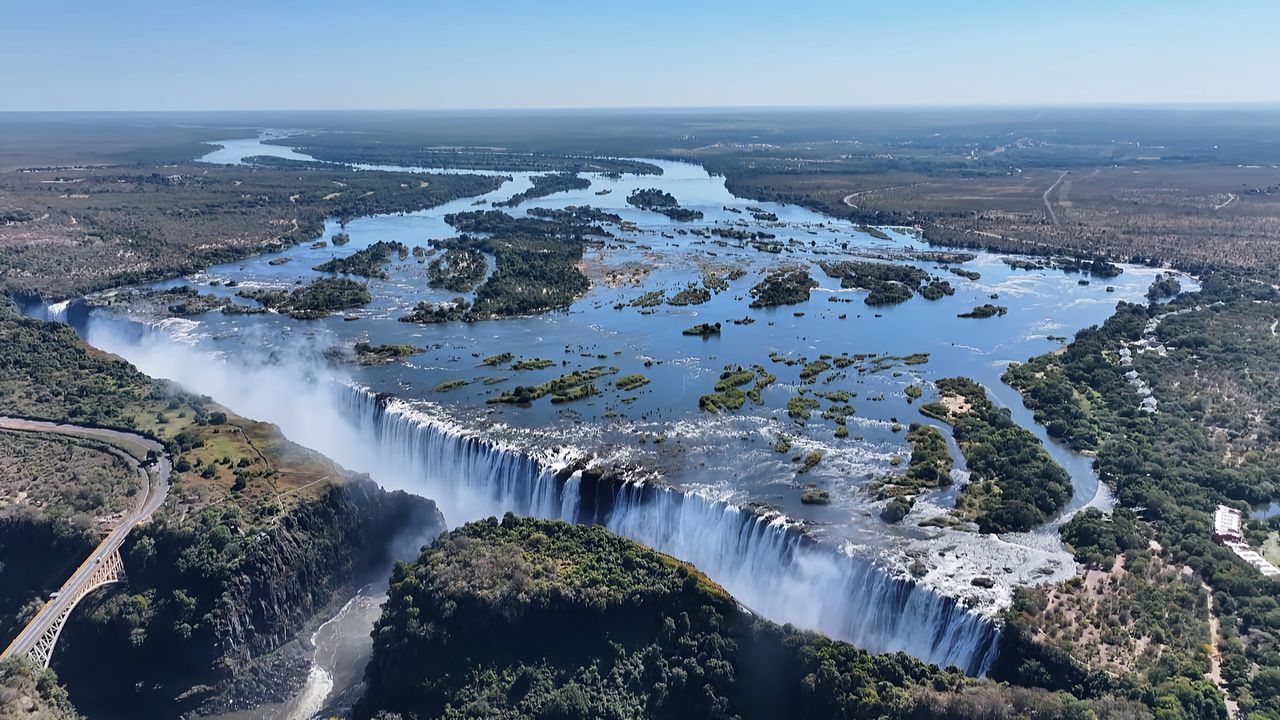
Locals call Victoria Falls "The Smoke That Thunders". When the Zambezi River drops into a gorge, it creates a wall of water like no other. Its mist helps a rare rainforest grow. You can hear its roar from miles away.
But even this natural wonder isn't safe from too much building. Protests about hotels and marinas near the falls show that natural beauty is about more than just what you see – it's about what you protect.
10. Yosemite National Park, USA

Yosemite is where glaciers shaped granite into something beautiful. Here, huge cliffs meet loud waterfalls, and very old trees tell stories of time. This was the first land in the world set aside just for people to enjoy the scenery. It's where the idea of national parks began.
But being popular has its downsides: noise, too many people, and stress on the environment. Even paradise needs peace.
Beauty is more than just what we see. It's about what we choose to save. These ten wonders show us how amazing Earth is, and how important our job is to care for it. Because when we lose nature, we don't just lose pretty views. We lose memories, our heritage, and life itself.
So next time you're amazed by nature, remember: beauty isn't just a place to visit. It's a reason to act.