

¡Saludos gente! Paso por aquí, quizás con un tono menos vibrante de lo habitual, para dejar un registro honesto en mi blog de lo que ha sido, sin rodeos, una de las semanas más pesadas y agotadoras del año. A veces escribo para compartir logros, pero últimamente lo he hecho por una necesidad casi terapéutica de soltar la carga y explicar por qué he estado tan ausente de este espacio que tanto quiero.
Todo comenzó con una ilusión: la llegada de la Semana Santa. En mi mente, estos días serían el oasis perfecto. Estaba a punto de culminar el diplomado médico que me ha mantenido absorta los últimos meses y la idea de estar finalmente libre de esa presión académica, sumada a unos días de pausa en el trabajo, me mantenía motivada. Pensé que sería el momento ideal para recuperar la energía vital que sentía que se me escapaba entre los dedos.
Sin embargo, la realidad tenía otros planes. Antes de poder saborear ese descanso, el nivel de exigencia en la consulta fue extremo. Como médico, uno intenta darlo todo por sus pacientes, pero el agotamiento mental acumulado terminó pasándome factura el martes. Lo que debió ser el inicio de una transición tranquila hacia el reposo, se convirtió en el detonante de una crisis migrañosa de una intensidad que no le desearía a nadie.
Hello, everyone! I’m stopping by—perhaps in a less upbeat tone than usual—to share an honest account on my blog of what has been, quite simply, one of the toughest and most exhausting weeks of the year. Sometimes I write to share my accomplishments, but lately I’ve been doing it out of an almost therapeutic need to unload and explain why I’ve been so absent from this space that I love so much.
It all started with a dream: the arrival of Holy Week. In my mind, these days would be the perfect oasis. I was about to finish the medical certification program that had kept me absorbed for the past few months, and the idea of finally being free from that academic pressure, combined with a few days off from work, kept me motivated. I thought it would be the ideal time to regain the vital energy that I felt slipping through my fingers.
However, reality had other plans. Before I could savor that rest, the demands at the clinic were extreme. As a doctor, you try to give your all for your patients, but the accumulated mental exhaustion finally took its toll on me on Tuesday. What should have been the start of a peaceful transition toward rest turned into the trigger for a migraine attack of an intensity I wouldn’t wish on anyone.
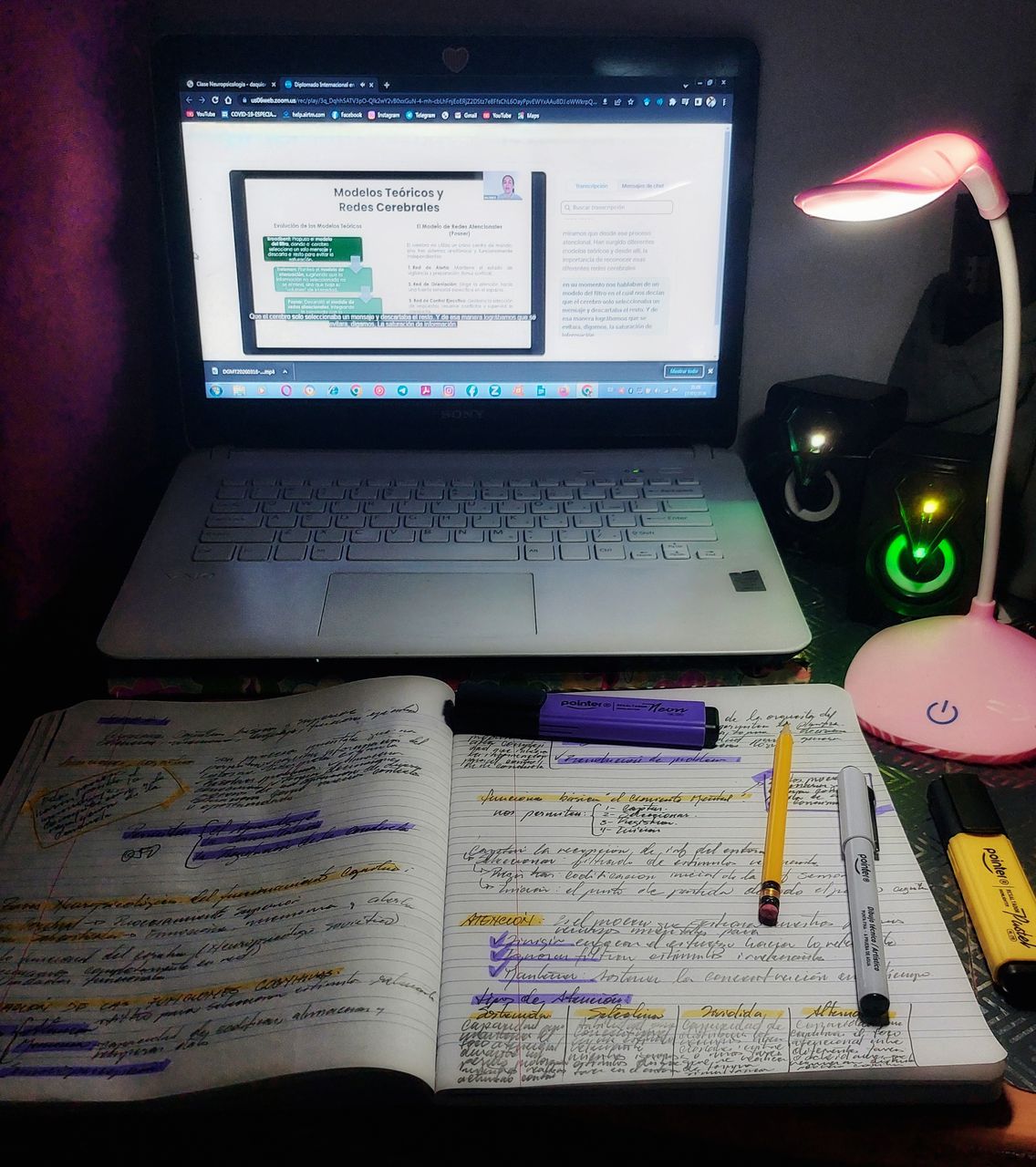
Es curioso cómo cambia la perspectiva del dolor cuando pasas de ser quien interroga a ser quien padece. En la consulta, siempre les pedimos a los pacientes que describan su dolor: “¿Es punzante?, ¿u opresivo?, ¿quema?”. A veces se quedan callados, incapaces de poner en palabras lo que sienten, y esa falta de información es una pieza clave que nos dificulta llegar a un diagnóstico certero.
En la carrera de medicina dedicamos materias enteras a analizar el dolor en todas sus variantes, por eso cuando el paciente no sabe describirlo o nos dice que tiene de todo un poco, es algo medio frustrante porque nos enseñaron que los dolores son específicos, casi matemáticos, según cada patología. Pero la práctica y, sobre todo, el ser paciente, te enseñan que la medicina no es una ciencia exacta en lo que a sensaciones se refiere. El dolor es una señal compleja de fibras sensitivas irritadas que no entienden de definiciones de libros.
Si alguien me hubiera preguntado a mí en medio de esta crisis de migraña de esta semana hubiera lanzado mis libros de medicina a una hoguera, porque no habría sabido qué responder y habría sentido que perdí demasiado tiempo aprendiendo algo que en realidad muchas veces no sirve de mucho. Era una mezcla aterradora: sentía como si un taladro perforara mi cráneo, mientras un martillo golpeaba cada hueso de mi cabeza y, al mismo tiempo, un fuego interno quemaba mi cerebro. A ese nivel de desesperación llegué.
It’s interesting how your perspective on pain changes when you go from being the one asking questions to being the one in pain. In the exam room, we always ask patients to describe their pain: “Is it sharp? Is it a dull ache? Does it burn?” Sometimes they fall silent, unable to put into words what they’re feeling, and that lack of information is a key factor that makes it difficult for us to reach an accurate diagnosis.
In medical school, we devote entire courses to analyzing pain in all its forms, so when a patient can’t describe it or tells us they have a little bit of everything, it’s somewhat frustrating because we were taught that pain is specific—almost mathematical—depending on the condition. But practice, and above all, being a patient yourself, teaches you that medicine isn’t an exact science when it comes to sensations. Pain is a complex signal from irritated sensory fibers that don’t understand textbook definitions.
If someone had asked me in the midst of this week’s migraine attack, I would have thrown my medical books into a bonfire, because I wouldn’t have known what to say and would have felt that I’d wasted too much time learning something that, in reality, often isn’t very useful. It was a terrifying mix: it felt as if a drill were boring into my skull, while a hammer pounded every bone in my head and, at the same time, an internal fire burned my brain. That’s how desperate I became.

Para intentar gestionar el sufrimiento y mientras esperaba que la medicación hiciera algo, recurrí a mi refugio de siempre: la arteterapia. Busqué el dibujo más sencillo que encontré, uno que no me exigiera pensar ni elegir demasiados colores, solo con la intención de que el movimiento de mi mano distrajera a mi mente del dolor. Estaba tan desconectada por el malestar que ni siquiera recuerdo el proceso; el dibujo quedó aceptable, pero me tomó dos días enteros poder terminar algo que normalmente haría en una tarde.
Cuando la migraña finalmente empezó a darme una tregua 3 días después, la vida decidió enviarme el siguiente reto. Orión, mi gato, amaneció con un problema serio en su ojo. Ver cómo se le cerraba gradualmente y notar su incomodidad me disparó los niveles de cortisol de nuevo. Tras la revisión veterinaria supimos que era un absceso. Aunque el tratamiento médico comenzó a funcionar, la carga de ser la "enfermera" en casa es agotadora. Los gatos no son pacientes fáciles; administrar medicamentos, hacer las curas y vigilar que no se lastime requiere una paciencia y una energía que yo ya no tenía.
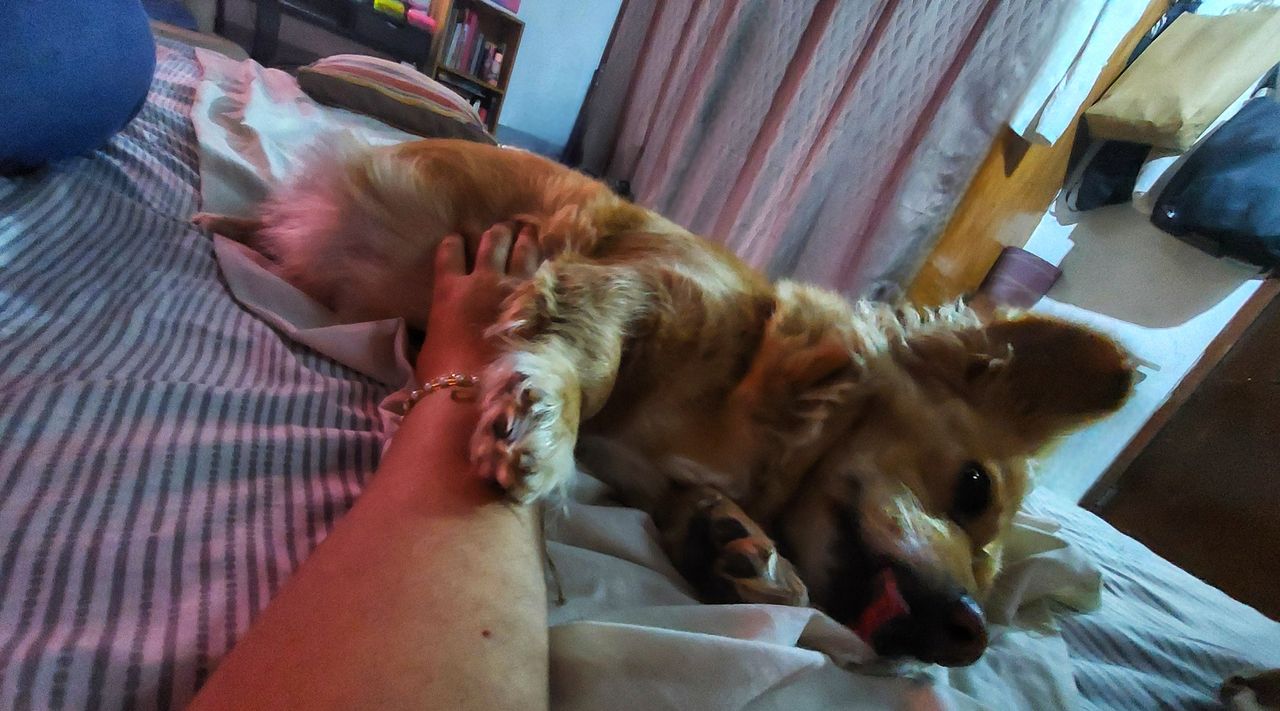
Y como si no fuera suficiente, apenas Orión mostró mejoría, fue Poly quien nos dio el susto. Ver a mi perrita caminar con inestabilidad me rompió el corazón. Por su condición de raza "salchicha", mi mente médica saltó inmediatamente a lo peor: problemas de columna. El terror de verla sufrir hizo que mi migraña regresara con fuerza y ahí pensé "ojalá Poly pudiera decirme que tipo de dolor tiene y donde está realmente localizado". Fue como una señal del universo, nuevamente me congracié con la importancia de que el paciente describa el tipo de dolor y sobre todo ¡Que puedan hablar!
To try to cope with the pain and while I waited for the medication to kick in, I turned to my usual refuge: art therapy. I looked for the simplest drawing I could find—one that didn’t require me to think too much or choose too many colors—with the sole intention of letting the movement of my hand distract my mind from the pain. I was so disconnected by the discomfort that I don’t even remember the process; the drawing turned out okay, but it took me two full days to finish something I’d normally do in an afternoon.
When the migraine finally started to let up three days later, life decided to send me the next challenge. Orion, my cat, woke up with a serious problem in his eye. Watching it gradually close up and noticing his discomfort sent my cortisol levels skyrocketing again. After the vet checkup, we learned it was an abscess. Although the medical treatment began to work, the burden of being the “nurse” at home is exhausting. Cats aren’t easy patients; administering medication, doing the dressings, and making sure he doesn’t hurt himself requires patience and energy I no longer had.
And as if that weren’t enough, just as Orion started to show signs of improvement, it was Poly who gave us a scare. Seeing my little dog walking unsteadily broke my heart. Because she’s a “dachshund,” my medical mind immediately jumped to the worst-case scenario: spinal problems. The horror of seeing her suffer caused my migraine to return with a vengeance, and I thought, “I wish Poly could tell me what kind of pain she’s in and where it’s actually located.” It was like a sign from the universe; once again, I was reminded of how important it is for the patient to describe the type of pain—and above all, that they can speak!

Ayer, tras llevarla al especialista, recibí una dosis de realidad que me dolió más que cualquier síntoma físico. El veterinario confirmó que su obesidad es el factor crítico que la está afectando. Aunque es algo que ya sabíamos y que intentábamos controlar, escucharlo de manera tan directa me hizo sentir una culpa asfixiante. Ella confía ciegamente en nosotros; solo come lo que nosotros le damos. Sentir que, por negligencia o exceso de "amor" mal entendido (en forma de comida), le hemos causado un daño a un ser tan puro, me hace sentir el peor ser humano del planeta.
Ahora nos enfrentamos a un régimen alimentario estricto para ella. Sé lo difícil que es cambiar hábitos, y me aterra pensar en su estrés y en cómo se adaptará. Ver este panorama me ha llevado a recordar lo que siempre he pensado: tener un hijo debe ser la responsabilidad más aterradora del mundo; si el bienestar de una mascota puede drenarte así emocionalmente, no puedo imaginar la magnitud de ese sentimiento con un ser al que tú misma le das la vida.
Ahora mismo, me cuesta ver la luz al final del túnel. Sigo sintiendo la vida muy pesada, como si caminara a través de lodo. No sé si es el famoso Mercurio retrógrado o simplemente una racha de esas que te ponen a prueba, pero espero que el universo decida darme un respiro pronto, ya que las vacaciones terminaron prácticamente y ni siquiera me di cuenta.
Gracias por pasar y leerme, por permitirme este desahogo y por estar ahí mientras intento rearmar las piezas de mi rutina.
Yesterday, after taking her to the specialist, I got a reality check that hurt more than any physical symptom. The vet confirmed that her obesity is the critical factor affecting her. Although this is something we already knew and were trying to manage, hearing it so bluntly made me feel suffocating guilt. She trusts us blindly; she only eats what we give her. Feeling that, through negligence or an excess of misguided “love” (in the form of food), we have caused harm to such a pure being makes me feel like the worst human being on the planet.
Now we’re facing a strict diet for her. I know how hard it is to change habits, and I’m terrified to think about her stress and how she’ll adapt. Facing this situation has reminded me of what I’ve always believed: having a child must be the most terrifying responsibility in the world; if a pet’s well-being can drain you emotionally like this, I can’t imagine the magnitude of that feeling with a being you’ve given life to yourself.
Right now, I’m struggling to see the light at the end of the tunnel. Life still feels very heavy, as if I were walking through mud. I don’t know if it’s the infamous Mercury retrograde or just one of those stretches that test you, but I hope the universe decides to give me a break soon, since the holidays are practically over and I didn’t even realize it.
Thank you for stopping by and reading this, for letting me vent, and for being there while I try to put the pieces of my routine back together.
Fuente de imágenes - Imagen Source
[ESP] El primer banner fue editado con Canvas, el resto de las imágenes son fotografías tomadas con mi Samsung A52.
[ENG] The first banner was edited with Canvas, the rest of the images are photographs taken with my Samsung A52.
Edición de subtítulos y separadores - Editings subtitles and separators:

