
Spróbuję wrócić do wrzucania treści zarówno po polsku, jak i po angielsku, zobaczymy co mi z tego wyjdzie. Wczoraj zaliczyłem jeden z ciekawszych urbexów w moim życiu, a z pewnością nidgy nie byłem na dachu budynku wyższego niż Hotel de Añaza.

W przeciwieństwie do większości opuszczonych budynków, która lata świetności mają już za sobą, ten hotel nigdy nie został ukończony. Budowę rozpoczęto w roku 1973, po to aby porzucić ją w tajemniczych okolicznościach 2lata później. Od tego czasu betonowy szkielet stoi i niszczeje. Budynek ma około 40tys metrów kwadratowych powierzchni, ponad 20 kondygnacji i około 730 pokoi.
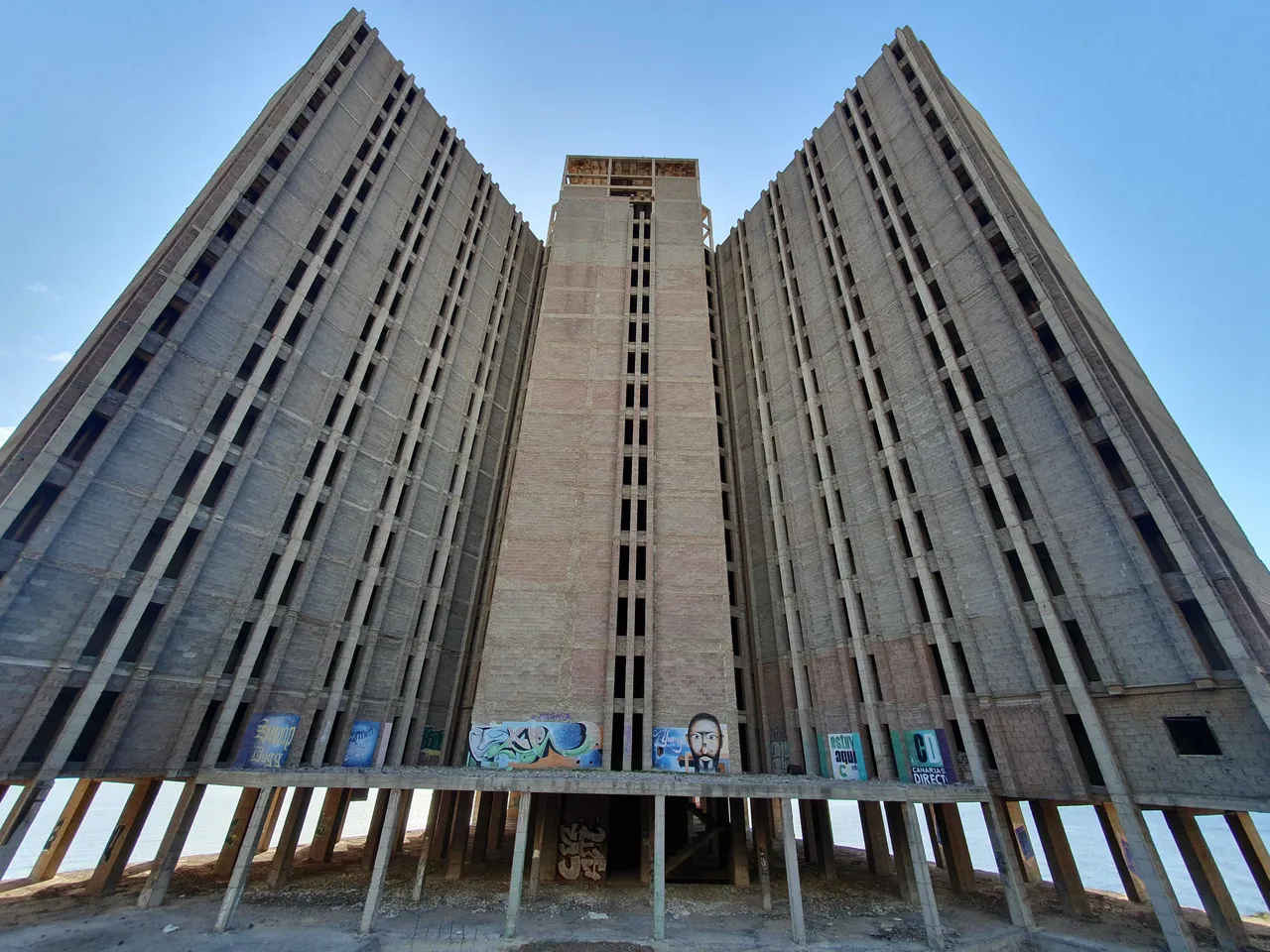
Na teren hotelu dostałem się bez najmniejszego problemu, przez furtkę, po krótkiej chwili znalazłem klatkę schodową wiodącą do góry i zacząłem wspinać się piętro po piętrze. Klatka schodowa nie ma poręczy, schody nie są kompletne, a szyby windowe nie są zabezpieczone. Wejście na górę wymaga więc uważności. Ale o tym trzeba pamiętać wchodząc do każdego opuszczonego budynku.

Hotel stanowi poważny problem dla lokalnych władz, inwestorzy i właściciele zniknęli, z kierownikiem budowy również nie udało się skontaktować, a koszt rozbiórki obiektu oszacowano na około 1.8mln euro. Z pomocą przychodzą lokalsi, chodząc po pokojach zauważyłem, że scianki działowe często są obalone. Z pewnością część pustaków da się jeszcze wykorzystać, wystarczy przyjrzeć się sąsiednim dzikim zabudowaniom na klifach.

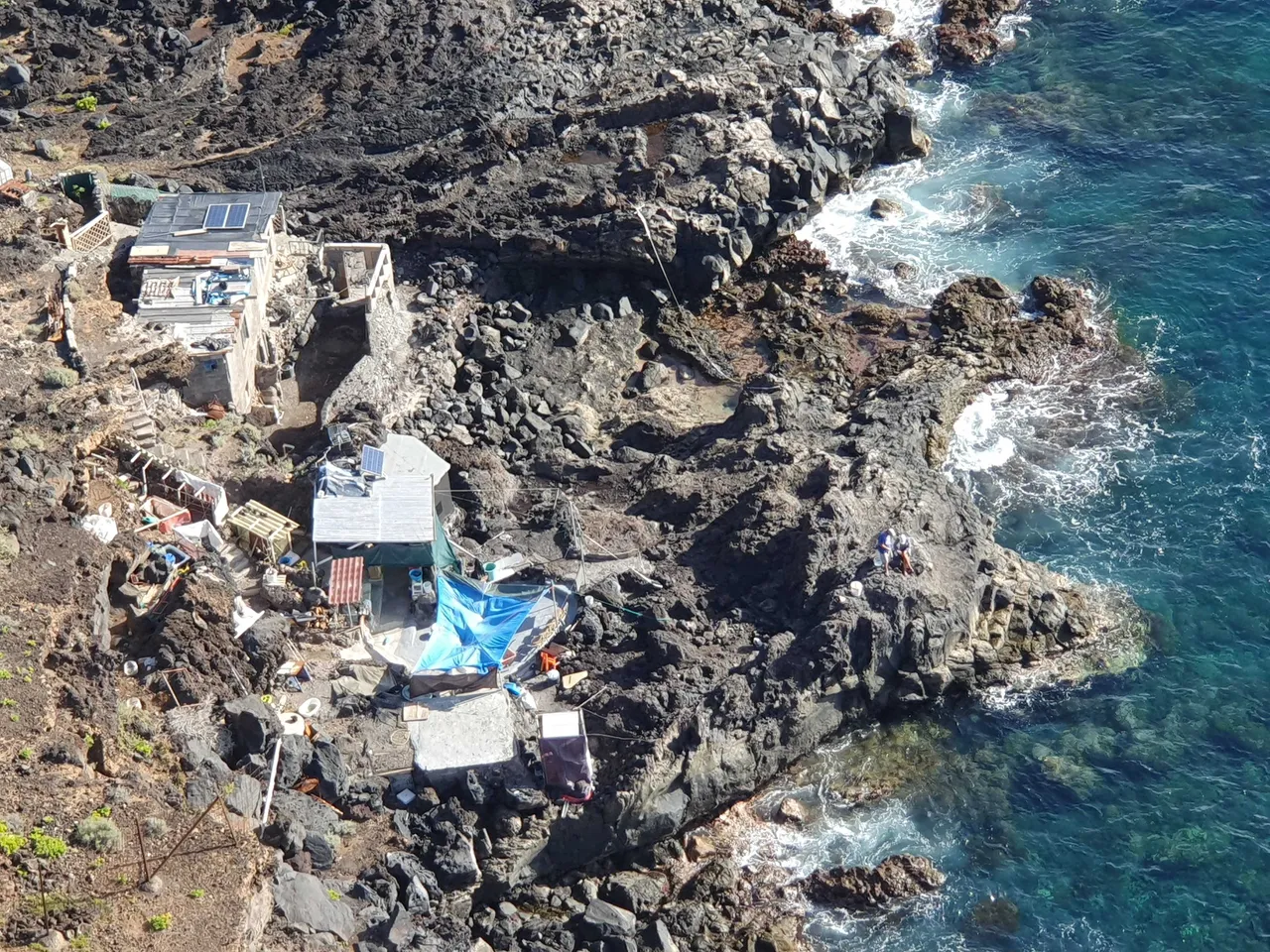
Były też plany aby sprzedać niszczejący obiekt. Wykonana parę lat temu ekspertyza budowlana orzekła jednak, że hotel nie spełnia żadnych norm i budowany był po kosztach. Możliwe też, że w trakcie budowy użyto azbestowych elementów.


Hotel położony jest tuż przy malowniczym wybrzeżu i raczej odstrasza turystów, niż ich przyciąga. Nie mnie jednak, mnie (i wielu innych) zainteresował i zrobił na mnie spore wrażenie. Raczej nie odwiedziłbym kolejnego sklonowanego, turystycznego miasteczka tak po prostu. Zastanawia się tylko, czy Urbexy da się ucywilizować? Czy może zagrożenie i funkcjonowanie na granicy prawa to nieodłączna część tego sportu, na którą trzeba się godzić!
ENG
I'll try to post content in both Polish and English and see how it goes. Yesterday I did one of the most interesting urbexes in my life, and certainly never was on a roof of a building higher than Hotel de Añaza, Tenerife.
In contrast to most abandoned buildings, which have already passed their heyday, this hotel was never completed. Construction began in 1973, only to be abandoned under mysterious circumstances two years later. Since then, the concrete skeleton has stood and decayed. The building has around 40,000 square meters of space, over 20 floors, and approximately 730 rooms.
I was able to get into the hotel without any problems, through a gate, after a short while I found the stairway leading up and started climbing floor by floor. The stairway has no railings, the stairs are not complete, and the lift shafts are not secured. So entering the top requires carefulness. But that should be remembered when entering any abandoned building.
The hotel is a serious problem for the local authorities. Investors and owners have disappeared, and attempts to contact the construction manager have failed. The estimated cost of demolition is around 1.8 million euros. However, the locals are helping, as I walked through the rooms, I noticed that partition walls are often collapsed. Certainly some of the blocks can still be used, just look at the neighboring wild buildings on the cliffs.
There were also plans to sell the decaying building. However, a building survey carried out a few years ago concluded that the hotel does not meet any standards and was built on a budget. It is also possible that asbestos elements were used during construction.
The hotel is located near a picturesque coastline and it probably repels rather than attracts most of the tourists. However, it still caught my attention and made quite an impression on me. I wouldn't have visited another generic, touristy town otherwise. I just wonder. How objects like this could be made into assets for local community? Or maybe, shouldn't they?
This report was published via Actifit app (Android | iOS). Check out the original version here on actifit.io


