
Nicosia is the world's last divided capital.
The barbed wire and guard towers of the Green Line cuts the city in two. It became a militarized border between the Republic of Cyprus and Northern Cyprus after Turkey invaded the island of Cyprus in 1974, occupying the north of the island, including northern Nicosia.
Nicosia, with about 320,000 inhabitants it is a third of the total population of Cyprus. It is the administrative and financial hub of the island as well as home to several universities and colleges.

Faneromeni Church - under reconstruction in 2015

Tower 25 (also called The White Walls) is located in the center of Nicosia. It was designed by the world-famous architect Jean Nouvel.


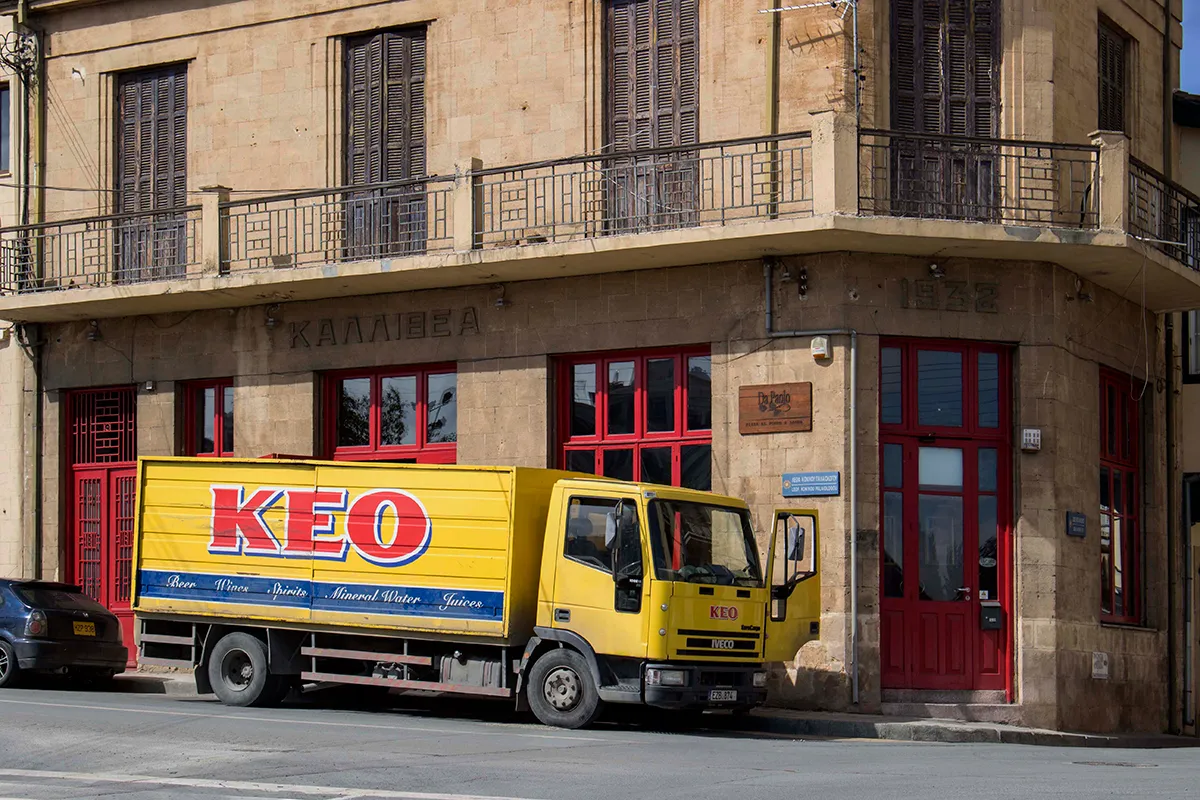
KEO beer - one of the Cypriot symbols.
The Cathedral of St. John the Theologian is the main church of the Church of Cyprus.


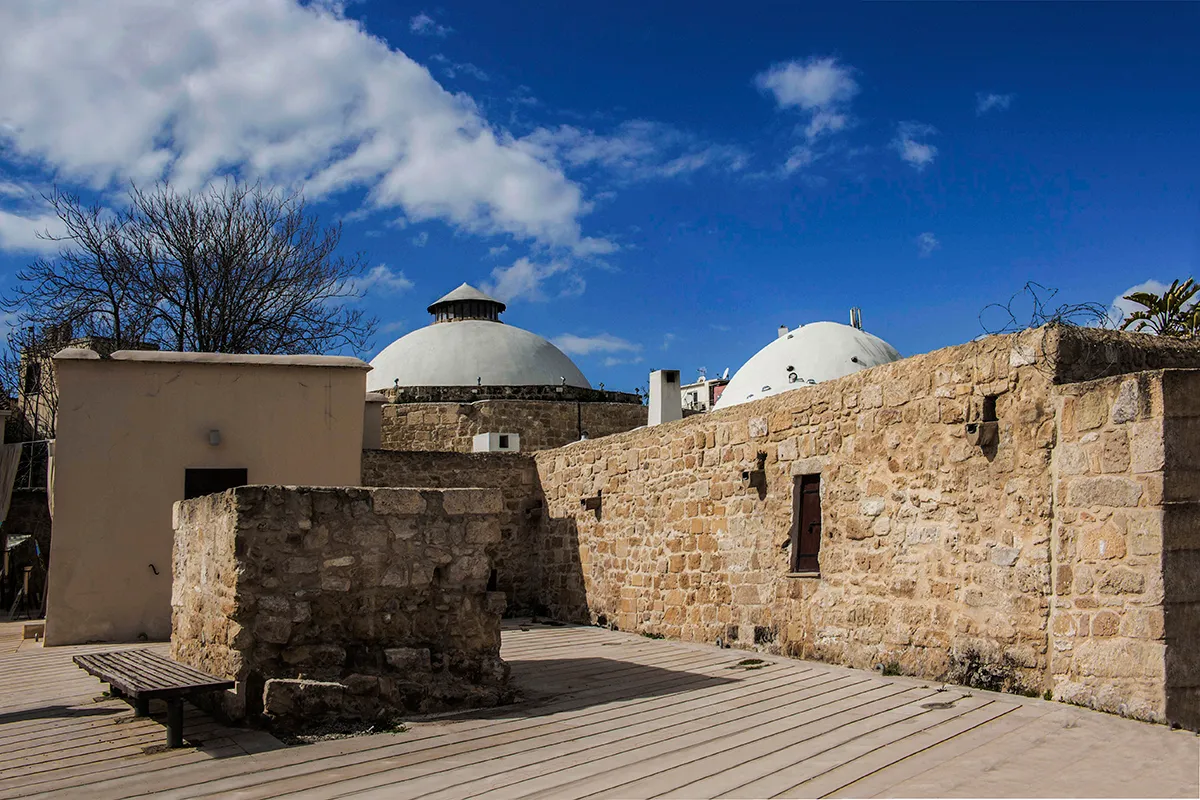
Hamam Omerye was built in the 1570s, soon after the Ottoman conquest of Cyprus.

Nicosia Street art - indicating the need to reunite the island

The Venetian Walls are still largely intact and are among the best-preserved Renaissance fortifications.
They are a major tourist attraction.

Büyük Han is considered to be one of the finest buildings on the island. It became the first city prison under the British administration, but nowadays it is an arts center, consisting of several galleries and workshops.

During Ottoman rule in 1570, the main Latin churches were converted into mosques.
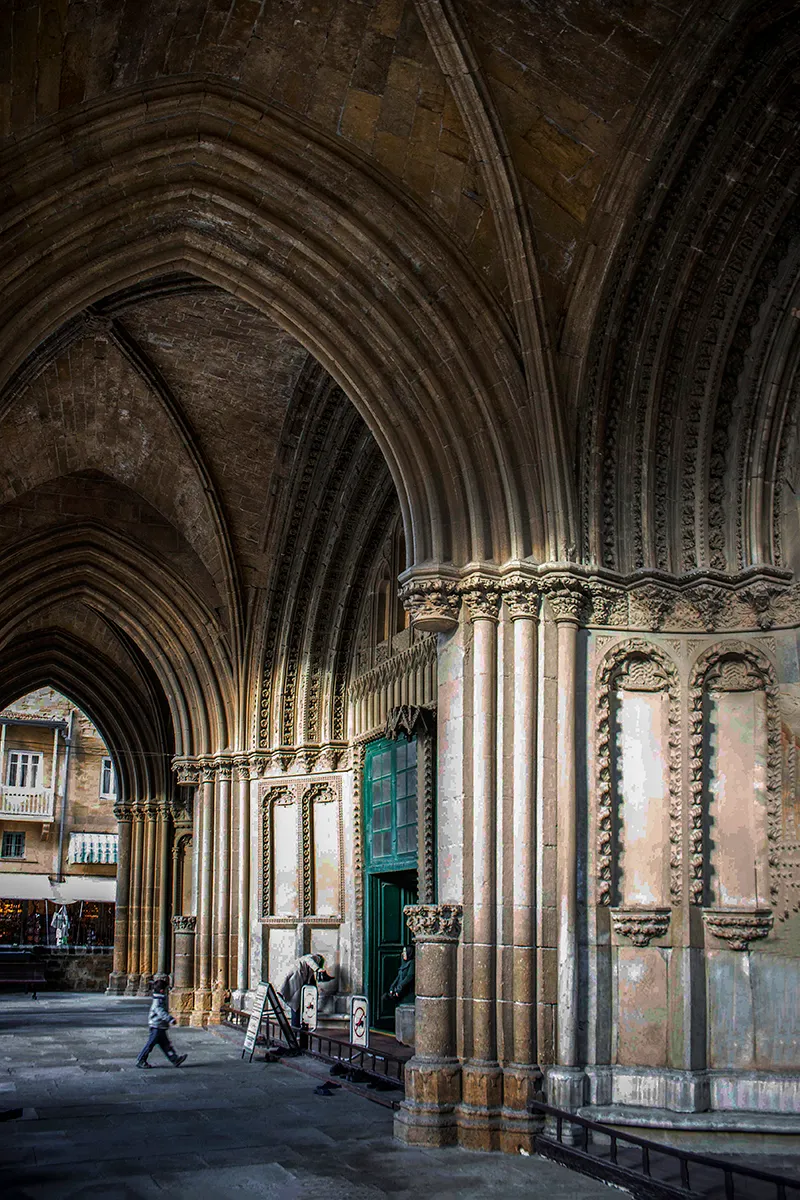
Selimiye Mosque historically known as Cathedral of Saint Sophia is a former Roman Catholic cathedral converted to a mosque, located in North Nicosia. It is the main mosque of the city.

