
Wrocław by Night – Majestic Buildings That Whisper History

When dusk falls and the last rays of sunlight disappear beyond the Oder River, Wrocław begins to whisper. Not with the murmur of crowds or the echo of trams, but with the voice of ancient walls, gently illuminated by the warm glow of street lamps. That’s when the city transforms into a scene from a story — where every brick, every window, every shadow holds more secrets than any guidebook.
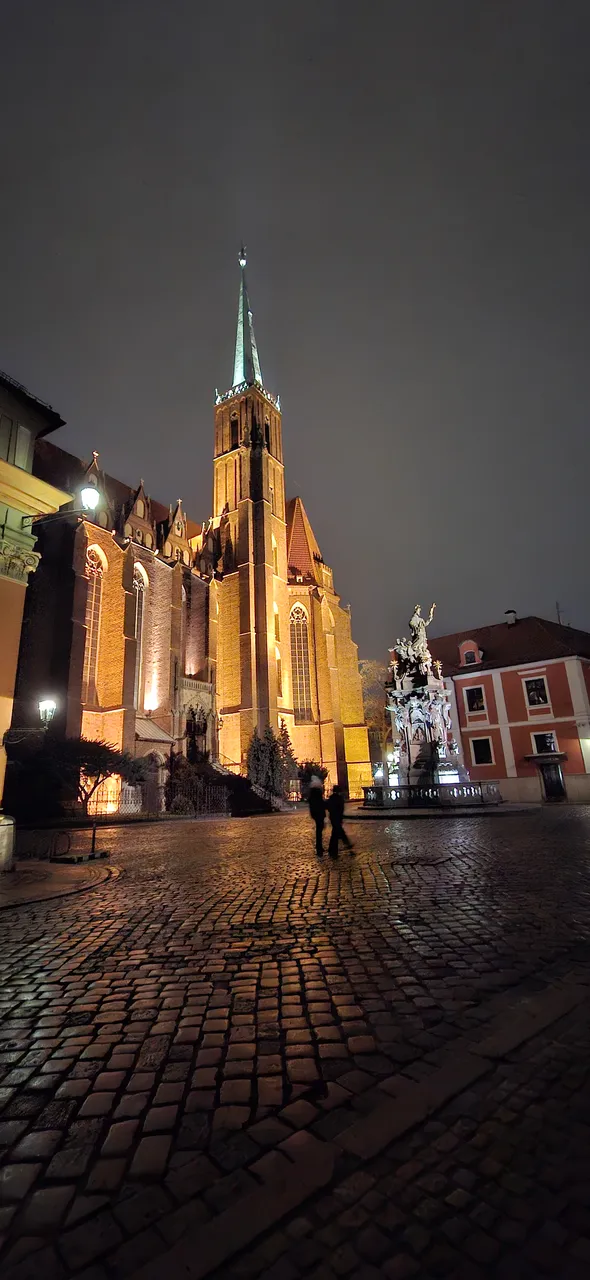
Walking along the walls of St. Elizabeth’s Church, you feel a sense of reverence. The Gothic structure, subtly lit by lamplight, stands like a guardian of the past — silent, yet watchful. Is it just a church, or a place where secrets have been hidden for centuries? Look up at the rooftops bathed in golden light, and you may feel as though someone is watching — perhaps the spirit of an old chronicler.

Stop by the University of Wrocław, reflected in the mirror-like surface of the Oder. At first glance, it’s grand and elegant, but how many students once set off to war from here? How many romances began between the lecture hall and the library? Or perhaps someone once heard the first symphony of their life within these very walls?

As you move on, you reach Ostrów Tumski. Here, night doesn’t simply fall — here, night descends with dignity. The gas lanterns, still lit by hand each evening, guide you through cobbled streets toward the Cathedral of St. John the Baptist. Its towering spires and soft golden light say only one thing: “You are a guest in our time, but we have always been here.”

Passing the Museum of Contemporary Art, where light highlights its modern elegance, you realize Wrocław is not just about the past. It is a conversation between then and now. The past has not vanished — it peers through museum windows, sits quietly on benches near the Market Hall, and strolls along the riverbank at night.

Wrocław by night isn’t just a great photo. It’s a story — one you’ll hear if you truly listen. Your camera may capture the frame, but your soul will capture the meaning.

Wrocław nocą — majestatyczne budynki, które milczą o historii

Gdy zapada zmrok, a ostatnie promienie słońca gasną nad Odrą, Wrocław zaczyna szeptać. Nie szeptem tłumów ani echem tramwajów, lecz głosem starych murów, oświetlonych ciepłym blaskiem ulicznych latarni. Wtedy właśnie miasto zmienia się w scenerię niczym z opowieści — gdzie każda cegła, każde okno, każdy cień skrywają więcej tajemnic niż niejeden przewodnik.

Przechadzając się wzdłuż murów kościoła św. Elżbiety, można poczuć prawdziwy respekt. Gotycka bryła, subtelnie rozświetlona lampami, przypomina strażnika przeszłości — milczącego, lecz czujnego. Czy to tylko świątynia, czy może miejsce, gdzie przez wieki skrywano sekrety? Gdy spojrzysz w górę, na dachy skąpane w świetle, możesz odnieść wrażenie, że ktoś cię obserwuje — może duch dawnego kronikarza?
Zatrzymaj się przy Uniwersytecie Wrocławskim, odbijającym się w lustrze Odry. Na pierwszy rzut oka monumentalny i elegancki, ale ilu studentów wyruszyło stąd na wojny? Ile romansów narodziło się między aulą a biblioteką? A może właśnie tutaj ktoś po raz pierwszy usłyszał własną symfonię życia?
Idąc dalej, trafiasz na Ostrów Tumski. Tu noc nie zapada jak wszędzie indziej — tu noc zapada z dostojeństwem. Latarnie gazowe, ręcznie zapalane każdego wieczoru, prowadzą przez brukowane uliczki aż do katedry św. Jana Chrzciciela. Strzeliste wieże i ciepły blask rozświetlający mury mówią jedno: „Jesteś gościem w naszym czasie, ale my byliśmy tu zawsze.”

Mijając Muzeum Sztuki Współczesnej, gdzie światło wydobywa z mroku modernistyczną elegancję, dostrzegasz, że Wrocław to nie tylko przeszłość. To dialog między dawnym a nowym. Przeszłość nie minęła — ona patrzy przez okna muzeum, przysiada na ławkach przy Hali Targowej i spaceruje wieczorami brzegiem Odry.
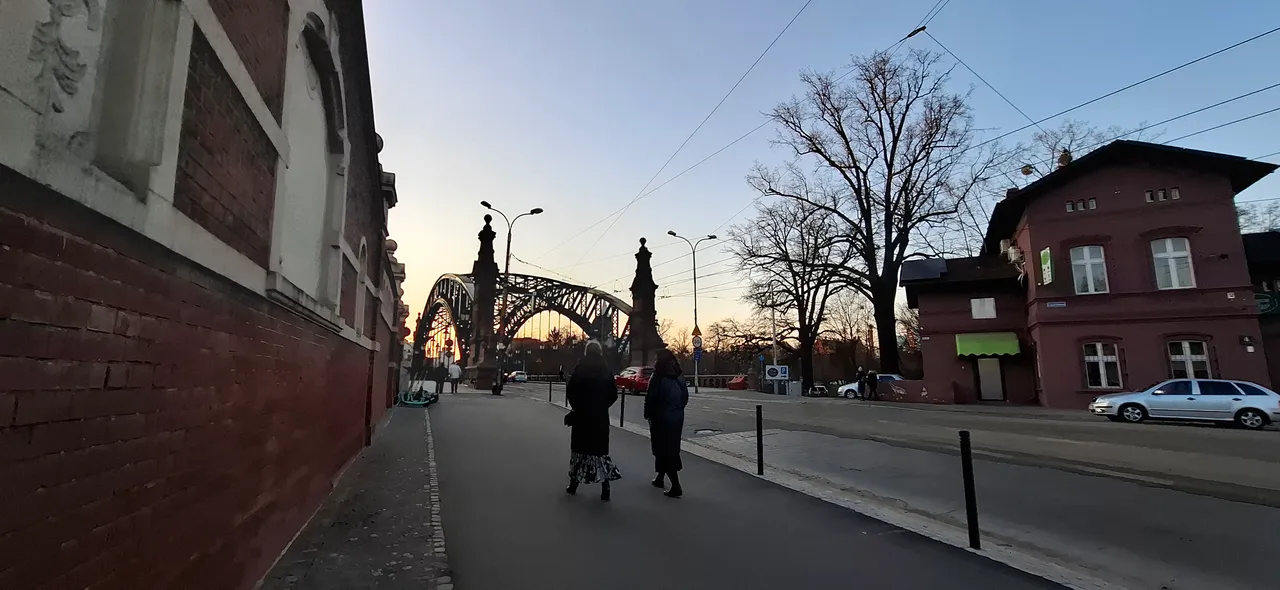
Wrocław nocą to nie tylko idealny kadr. To opowieść, którą usłyszysz, jeśli naprawdę będziesz słuchać. Aparat złapie obraz, ale dusza — sens.