
The Vienna Zoo is located on the grounds of the imperial castle Schönbrunn and was founded by Franz I of Lorraine, husband of Empress Maria Theresa. So the garden is 270 years old and therefore the oldest in the world. When I looked at the map, the grounds seemed quite small and cramped. That's not true. I once wrote that Gothic cathedrals look much bigger on the inside than they do on the outside. Same goes for the Vienna Zoo. When you're planning a trip, three hours to see it is the absolute minimum. But you can easily spend half a day or the entire opening hours without getting bored. So let's walk through the entrance gate (for €26 for adults or €15 for youngsters) and start the tour.
Vídeňské ZOO se nachází v areálu císařského zámku Schönbrunn a založil ji František I. Lotrinský, manžel císařovny Marie Terezie. Takže zahrada je 270 let stará a tedy nejstarší na světě. Když jsem se díval na mapu, připadal mi ten areál celkem malý a stísněný. Není to pravda. Kdysi jsem psal, že gotické katedrály vypadají zevnitř mnohem větší, než zvenčí. Totéž platí i pro vídeňskou ZOO. Až budete plánovat výlet, tak tři hodiny na prohlídku je absolutní minimum. Ale dá se tu v pohodě prožít i půl dne nebo celou provozní dobu, aniž by se člověk nudil. Tak tedy projděme vstupní branou (za 26 € pro dospělého nebo 15 € pro mládež) a začněmež prohlídku.

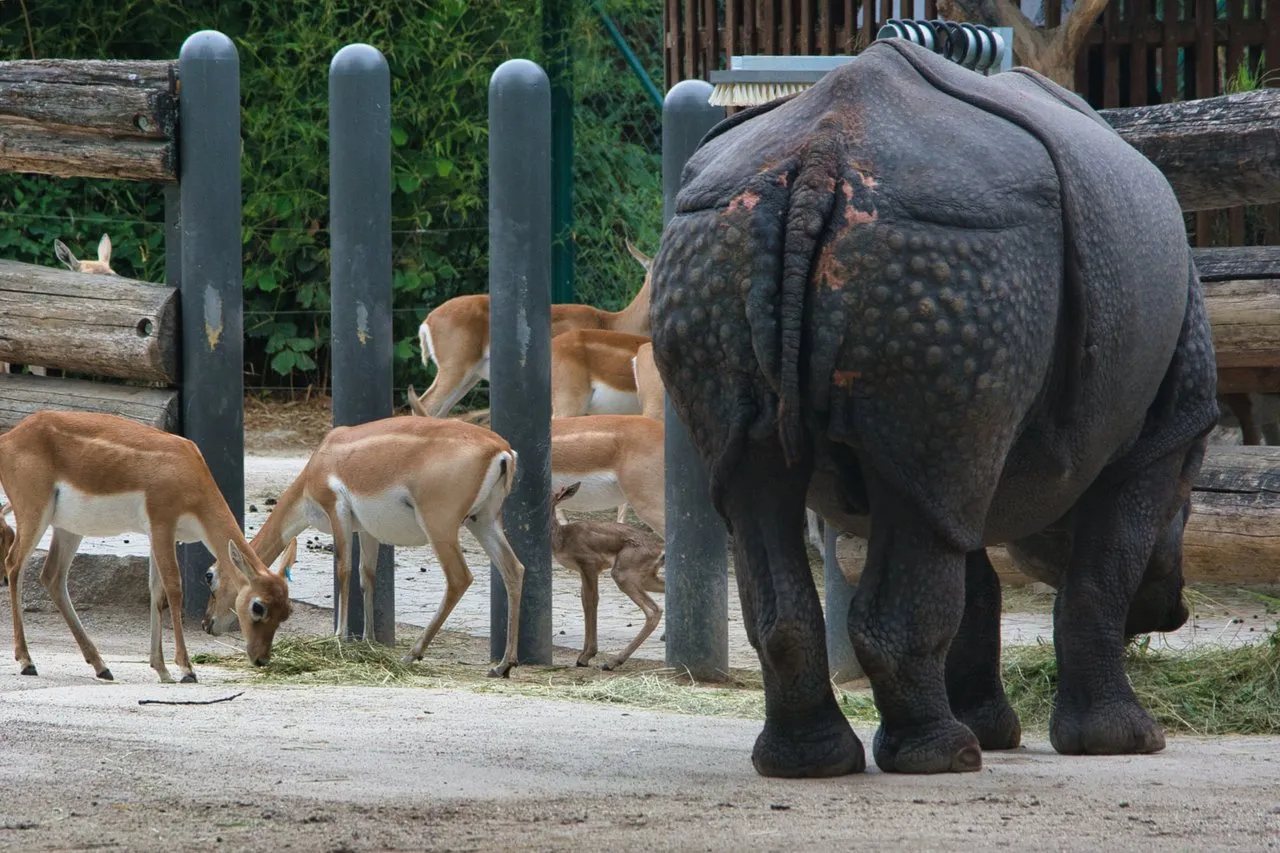
The first exhibit just outside the gate are the rhinos. The Panzernashorn, modeled after the Panzerfaust. These massive animals share an enclosure with subtle antelopes, creating an interesting contrast.
První exponát hned za branou jsou nosorožci. Panzernashorn, podle vzoru Panzerfaust. Tahle mohutná zvířata mají společný výběh se subtilními antilopami, což tvoří zajímavý kontrast.


Next to the enclosure are other large animals, water buffalo.
Hned vedle mají výběh další velká zvířata, vodní buvoli.

We continue past the llamas and antelopes and past the rodents (chipmunks and capybaras) to the felines. Cheetahs, lions and tigers.
Pokračujeme kolem lam a antilop a kolem hlodavců (čipmunkové a kapybary) ke kočkovitým šelmám. Gepardi, lvi a tygři.


Vienna Zoo is one of the few zoos that breeds giant pandas. It currently has one pair, a female Yang and a male Yuan. Yang was just sleeping in a tree, but Yuan was feeding in the pavilion. I took the photo through glass, so I apologize for the glare (who would think of taking a polarizer to the zoo, right?)
Vídeňská ZOO je jedna z mála, která chová pandy velké. V současné době má jeden pár, samici Yang a samce Yuan. Yang právě vyspávala na stromě, ale Yuan se krmil v pavilóně. Fotil jsem přes sklo, tak se omlouvám za odlesky (koho by napadlo brát si do ZOO polarizák, že?)


Panda's "kakerl". Fresh, still warm. Looks like pandas have plenty of fiber in their diet. No wonder, 99% of their diet is bamboo leaves and shoots.
Pandí "kakerl". Čerstvý, ještě teplý. Vypadá to, že pandy mají ve stravě dostatek vlákniny. Není se čemu divit, 99% stravy tvoří listy a výhonky bambusu.

There are practically no "deaf spots" in the ZOO area. There is something to see at every turn. For example, polar bears. How does a polar bear feel in the middle of summer, when temperatures are in the 30 above zero, while in his home country the same thing happens below zero? (I mean Celsius, of course.)
V areálu ZOO nejsou prakticky žádná "hluchá místa". Na každém kroku je se na co dívat. Například lední medvědi. Jak se cítí lední medvěd uprostřed léta, kdy teploty jsou kolem třicítky nad nulou, zatímco v jeho domovině bývá totéž pod nulou?


Sometimes Austria and Australia are confused. There are kangaroos in Australia and in Austria - actually 😉
Někdy se plete Austria a Australia. V Austrálii jsou klokani a v Austrii - vlastně taky. 😀

And we continue the tour. Vienna Zoo has everything that runs, crawls, swims or flies.
A pokračujeme v prohlídce. ZOO Vídeň má snad všechno, co běhá, plazí se, plave nebo létá.


Many of the exhibitions are in covered pavilions, so even the occasional shower won't spoil your visit. The rainforest hall is not only hot and humid, but there are also many hanging bats.
Hodně expozic je v zastřešených pavilónech, takže ani občasná přeháňka vám prohlídku nepokazí. V hale deštného pralesa je nejen horko a vlhko, ale i mnoho visících netopýrů.


Birds are a separate chapter. Many of them are in aviaries, but some of them just walk freely. Sometimes it's impossible to tell what's an exhibit and what's flown in from the surrounding area.
Samostatnou kapitolou jsou ptáci. Mnoho je jich ve voliérách, ale někteří si kráčejí jen tak volně. Někdy se nedá poznat, co je exponát a co přiletělo z okolí.


The imperial eagle on the wall of the aviary reminds us of the history of two and a half centuries of the zoo's existence.
Císařský orel na zdi voliéry nám připomene historii dvou a půl staletí existence této ZOO.


Monkeys! Monkeys are not to be missed at the zoo. We almost forgot about them.
Opice! V ZOO nesmí chybět opice. Málem jsme na ně zapomněli.


And just when you think you've seen it all, you discover aquariums. Freshwater and saltwater, with fish, seahorses and jellyfish.
A když už si myslíte, že jste viděli všechno, tak objevíte akvária. Sladkovodní i mořská, z rybami, mořskými koníky a medúzami.


And you can't miss the water tunnel.
A nemůže chybět ani vodní tunel.

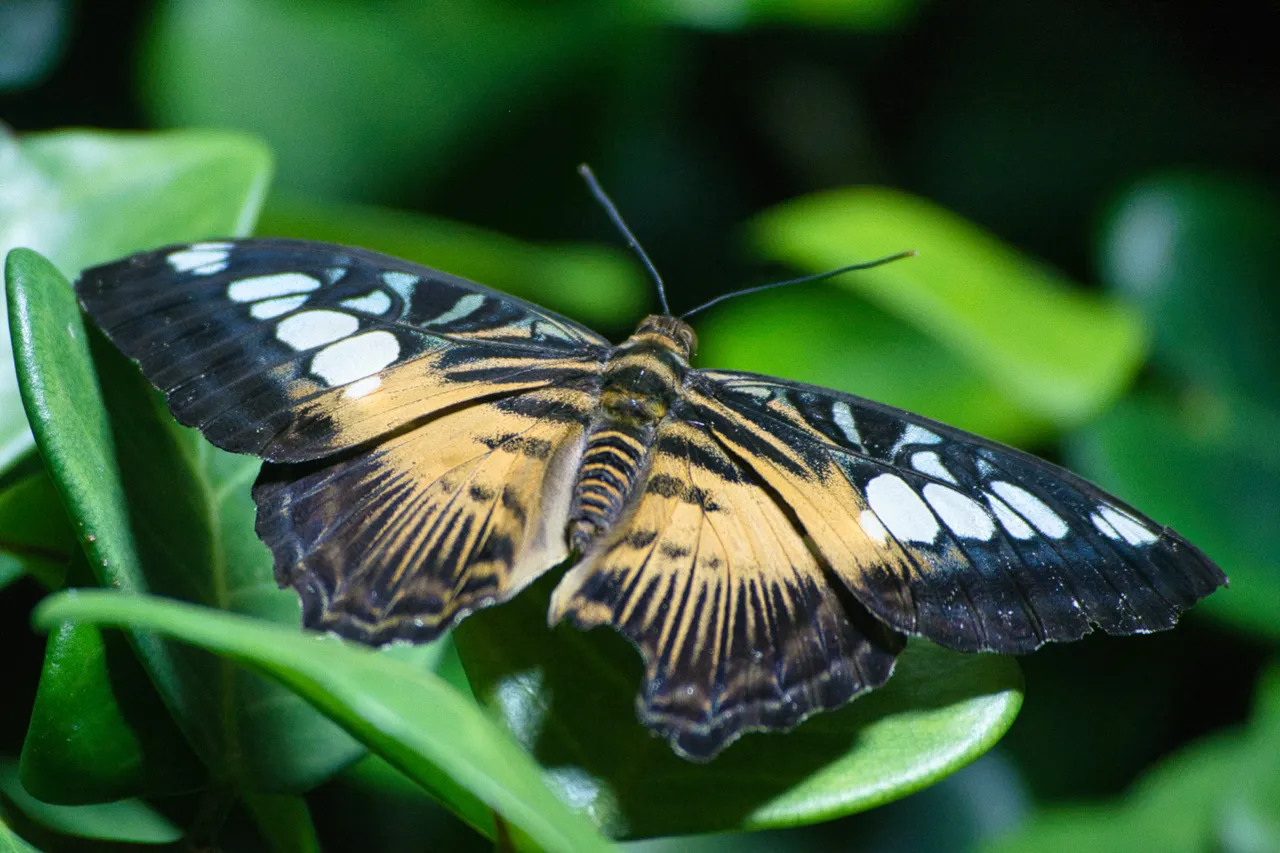
So we've really seen everything? No way. How about... the butterfly exhibit? A hallway you walk through with colorful tropical butterflies flying past you. They are constantly pupating, giving birth, reproducing and dying.
Takže už jsme viděli opravdu všechno? Ani náhodou. Co třeba... expozici motýlů? Halu, kterou procházíte a kolem vás prolétávají pestrobarevní tropičtí motýli. Průběžně se kuklí, rodí, množí i hynou.


When you get tired of the animals, you can visit the zoo's treetop trail (with a spectacular view of Vienna), have a snack in the Tyrolean pub or buy a panda as a souvenir - the largest for €70, the smallest for €8.
Když vás zvířata omrzí, můžete v ZOO navštívit stezku v korunách stromů (s nádherným výhledem na Vídeň), občerstvit se v tyrolské hospodě nebo si na památku koupit pandu - největší za 70 €, malou za osm.


I wrote at the beginning that the minimum time for the tour is three hours. But you will only get a glimpse of the zoo in that time, and that would be a shame. I'd recommend twice as long.
By the way, probably the most common language I heard from visitors was Czech and Slovak.
The photos I took there would make ten articles and I could live here on HIVE for a long time. I decided to put them in vain in one article to make it worthwhile.
It was my first time at the Vienna Zoo, but certainly not my last.
Na začátku jsem napsal, že minimální čas na prohlídku jsou tři hodiny. Za tu dobu tu ZOO ale jen tak letmo proběhnete, a to by byla škoda. Já bych doporučil klidně i dvojnásobek.
Mimochodem, asi nejběžnější řeč, kterou jsem u návštěvníků slyšel, byla čeština a slovenština.
Fotky, které jsem tam nadělal, by vydaly na deset článků a dalo by se tu na HIVE z nich žít dlouho. Rozhodl jsem se je dát marnotratně do jednoho článku, ať to stojí za to.
Byl jsem ve vídeňské ZOO poprvé, ale rozhodně ne naposledy.

Thank you for taking the time to read this post, if you have any questions, criticisms or suggestions I would appreciate it if you would throw them in the comments box

Translated with www.DeepL.com/Translator (free version)