
Don't know it, you don't love it... as the saying goes...
Sumatran elephants are one of the sub-species of Asian elephants, the scientific name is (Elephas maximus sumatranus). In the wild, the Sumatran elephant only lives on the island of Sumatra, which is currently in a very worrying condition and is classified on the red list IUCN.
[ Photo Caption : Elephant calf the female elephant as the leader of the group is in the community's plantation area, they have been evicted from their natural habitat due to forest destruction and hunting. Credit by 
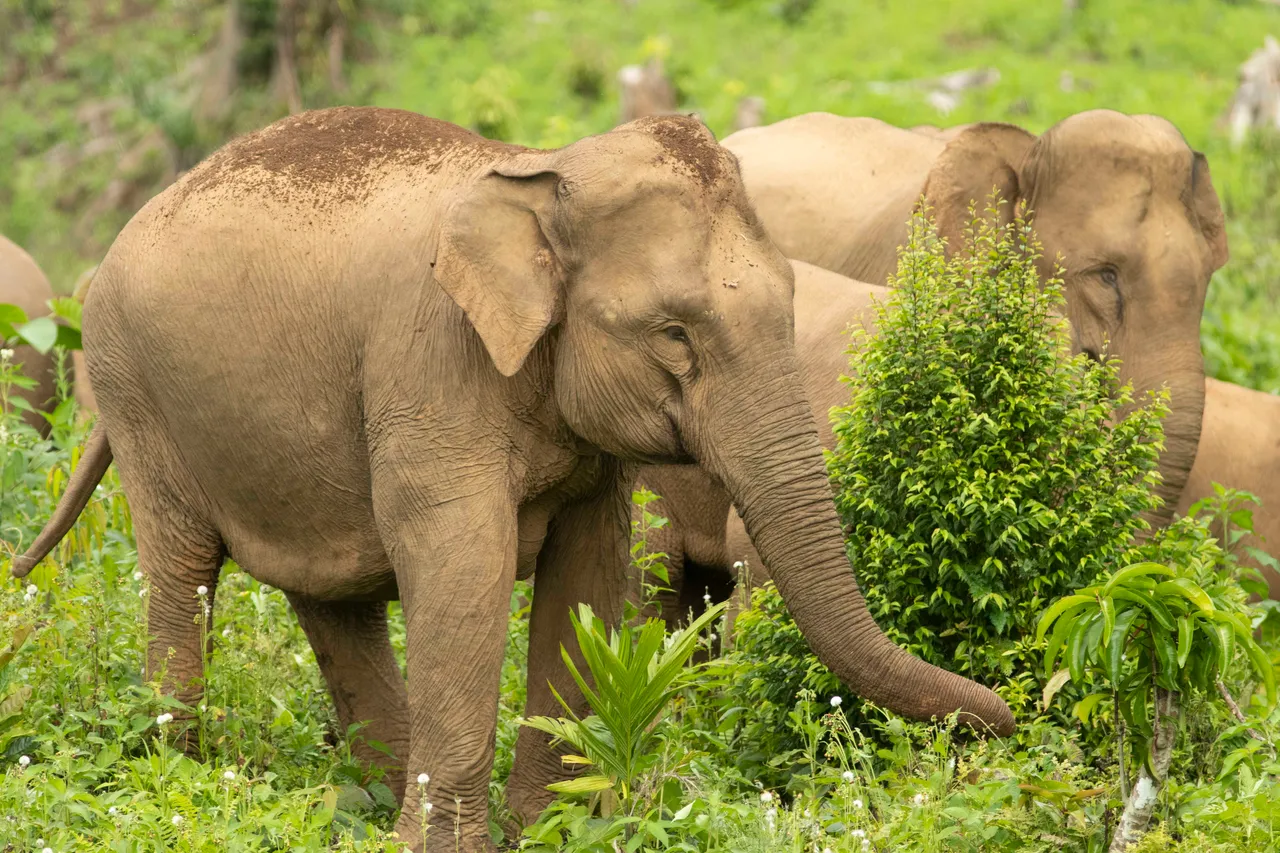
Elephant the habitat of the Sumatran elephant, namely the natural forest on the island of Sumatra, is being severely damaged. This condition causes the loss of part of the elephant's habitat so that conflicts between humans often occur in the long term which will threaten the survival of this largest land mammal.
[ Photo Caption : Forest damage due to encroachment to be used as plantation land is the original habitat of the Sumatran elephant seen from above using a drone. Credit by :

Sumatran elephants eat grass, leaves, twigs, tubers and sometimes fruits. There are at least 69 species of plants that can be used as food for elephants. These plants consist of 29 groups of grasses and 40 groups of non-grass plants. Sumatran elephants are known to prefer grass
[ Photo Caption : Groups of wild elephants seen from the drone are looking for food in the grass, living in groups plays an important role in maintaining the survival of elephants. Credit by :

Elephants are social animals that live in groups. Groups play an important role in maintaining the survival of elephants. The number of group members varies greatly. It depends on the condition of natural resources and the area of habitat. Sumatran elephants can be found in groups of 20-35 individuals, but there are also herds of only 3 individuals. Each group is led by a female. While the males are in the group for a certain period only. Old elephants will live apart from their group until they die
[ Photo Caption : Elephant Sumatran elephants will bring their children in groups, these large mammals only need time to sleep for 4 hours per day and constantly moving for 16 hours to explore and find food. The rest is used to wallow and play. Credit by :
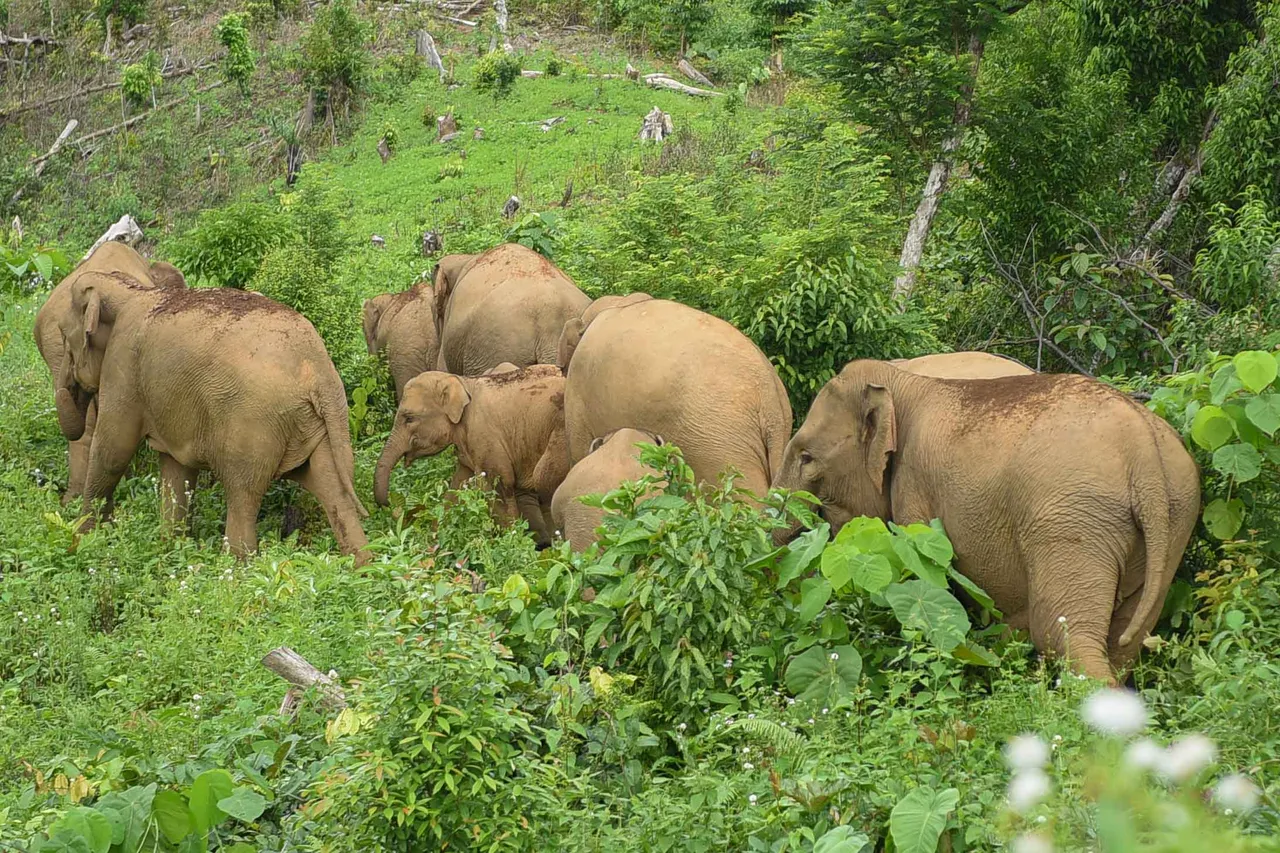
Sumatran elephants are very sensitive to sounds. To mate and breed, elephants need a calm and comfortable atmosphere. The sound of heavy equipment and chainsaws disturbs elephant breeding.
[ Photo Caption : The Sumatran elephant group walks in the logged-over forest. Credit by ;

In 2011, the IUCN assigned the conservation status of Sumatran elephants to thecategory Critically Endangered (CR). This means that this animal is on the verge of extinction. CR status is only two levels from extinct in the wild and completely extinct
[ Photo Caption : One elephant calf died after being trapped in the mud for days and had been abandoned by his group, after being evacuated by residents and treated by the medical team, his life did not help. Credit by :

Help me to disseminate information and campaign for the importance of the Sumatran elephant in the wild for the sake of survival and maintaining the stability of the ecosystem in nature.


