

The common cold, flu, and other types of infections are typically the most frequent complications of the winter season. These lower respiratory infections can cause serious problems in people with asthma or other health issues. Any person can get a virus or bacteria that causes a respiratory illness. However, some people are more at risk for getting a chronic form of these infections. People who have asthma, chronic lung disease, heart failure or a weakened immune system from another condition are more susceptible to these complications in the colder months. If you know someone who has one of these conditions and lives in an area with high humidity and low sunlight exposure during the winter months, it’s important to know how you can help prevent them from contracting an infection this season.
What Are Lower Respiratory Infections?
A respiratory infection is any illness that affects your lungs or the lining of your respiratory tract. These infections are caused by bacteria, viruses, fungi, or parasites. Some of the most common lower respiratory infections include the flu, bronchitis, bronchiolitis, pneumonia, and whooping cough. There are several types of lower respiratory infections. A lower respiratory infection affects the lower part of your respiratory tract, including your lungs, bronchial tubes and air sacs in the heart and diaphragm. Unlike other infections, which usually infect only one part of the body, a lower respiratory infection can spread to every part of the respiratory tract, causing flu-like symptoms.
How Do You Know if You Have a Lower Respiratory Infection?
The most common symptoms of a lower respiratory infection include cough, fever, body aches, fatigue, and difficulty breathing. If you are experiencing any of these symptoms, you should seek medical attention. You can also take a look at the color of your phlegm to determine whether you have a lower respiratory infection. Normally, the color of phlegm is clear or light yellow. However, if it is green or yellow-green in color, it could be a sign of a bacterial infection. You should also seek medical attention if you are experiencing symptoms that are not related to coughing, like chest pain, shortness of breath, or a fever that is above 100 degrees Fahrenheit. If you have a chronic medical condition, you should always be aware of what signs to look out for that could indicate a lower respiratory infection.
- a stuffed up or a runny nose
- a dry cough
- a low fever
- a mild sore throat
- a dull headache
- difficulty breathing
Reference
Treatment for Lower Respiratory Infections:
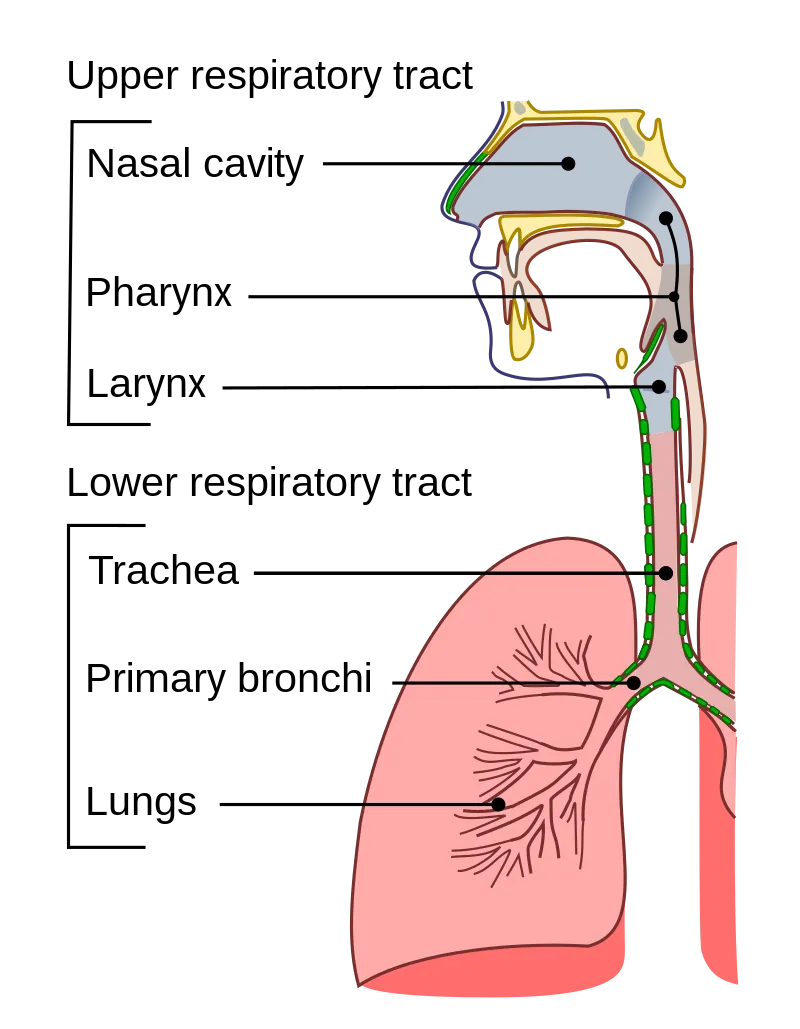
The treatment for lower respiratory infections will depend on the type of infection. For example, you can use antibiotics to treat bacterial infections. There are also antiviral medications that can be used to treat viral infections. It’s important to note that not all types of infections can be cured with antibiotics. For example, you cannot cure a cold with antibiotics because it’s caused by a virus. The best thing you can do to treat a lower respiratory infection is to rest and drink plenty of fluids. You can also use over-the-counter medications for pain, fever reduction, and cough suppression.
Reference
Tips to Prevent Lower Respiratory Infections:
Since the common cold, flu, and other types of lower respiratory infections are caused by viruses and bacteria, the best way to prevent them is by washing your hands frequently. You should also avoid touching your eyes, nose, and mouth with your hands. There are many ways you can prevent lower respiratory infections. You can try to take better care of yourself by eating a healthy diet, getting plenty of rest, and staying hydrated. You can also wear loose clothing, avoiding smoke and fumes, and keeping indoor spaces well-ventilated. You can also try some natural remedies to help prevent lower respiratory infections. For example, a few drops of tea tree oil in a diffuser can help purify the air and protect you from bacterial infections. Eucalyptus is another natural essential oil that you can use in a diffuser to kill bacteria and prevent the spread of infection. Ginger tea is also a great option for treating cold symptoms and boosting the immune system.
Conclusion:
Cold and flu season is here, and with it comes a higher risk of contracting a lower respiratory infection. It’s important to take steps to protect yourself from these infections by washing your hands regularly, avoiding contact with people who are sick, and wearing loose clothing indoors. You can also try some natural remedies to help keep your immune system strong and protect you from bacterial infections.
https://en.m.wikipedia.org/wiki/Lower_respiratory_tract_infection
https://www.medicalnewstoday.com/articles/324413#symptoms
https://www.goodrx.com/conditions/lower-respiratory-infection/what-is-a-lower-respiratory-infection
https://www.nhs.uk/conditions/respiratory-tract-infection/
https://www.google.com/amp/s/www.docwirenews.com/docwire-pick/predicting-respiratory-tract-infection-after-immune-thrombocytopenia-diagnosis/amp/

It's my pleasure to introduce myself. I'm SHEIKH from Bangladesh.Recently I have passed my semester final Deploma in Textile and Now I want to BSC a private university.I wish that I study together with the job.Textile and Garments job is so hard that is not possible to continue study and job so i want to do something on online. That why i am come here.I have a 6 members in my family. I have a. Two brothers and one sister and also parents.My father is a business man. My mother is a housewife and brother are doing job and sisters studying.
My favorite game football but till a long time I can't play it because I don't get time to play and also my health condition is not good.
My favorite Food Biryani and Meat and Khichuri.I like Jhal very much.My favorite Colors are Black and White.
My favorite activity is Photography, Crypto, English learning, Content Writing.......
