Hello science lovers! It has happened to you that when you hear or read the word "moth" the first thing that comes to mind are those nocturnal animals with a very mysterious appearance full of "hair or feathers", moths are fantastic insects and in reality they are nothing more than "moths", of course these insects do not have feathers but they are covered with a "modified skin" that when we see it under a microscope, did you know that they are very similar to feathers? In this experiment I captured a specimen of: "Tineola bisselliella" a common species in Portugal to learn about its morphology and biology! Join me in this very didactic experience!🧠🧫🔬
Hola amantes de las ciencias! les ha sucedido que cuando escuchan o leen la palabra "polilla" lo primero que les viene a la mente son aquellos animales nocturnos con un aspecto muy misterioso llenos de "pelos o plumas", las polillas son insectos fantasticos y en realidad no son mas que "mariposas nocturnas", por supuesto estos insectos no tienen plumas pero estan cubierto de una "piel modificada" que cuando la vemos al microscopio sabias que son muy similares a las plumas? en este experimento capture un ejemplar de: "Tineola bisselliella" una especie comun en Portugal para aprender sobre su morfologia y biologia! acompaname en esta experiencia muy didactica!🦋🦋

Why are they so mysterious insects?🧠/ Por que son insectos tan misteriosos?🔬🦋🕵️♂️

For many years some generations have seen moths as animals that bring bad luck, death among other superstitions and this causes wrong behavior killing the animal, but in reality moths are harmless butterflies that only feed on nectar, some species when they arrive to their adult phase they do not even ingest food since all of them have a life expectancy in adulthood greatly reduced to just weeks! Of course I want to make it clear that, for example, the larva of this species feeds on: (skin, wool and silk) becoming a small nuisance for our homes and other species bite and have poison but there are many biological ways to get rid of these insects! First of all, its anatomy is divided into three parts: (Head, thorax and abdomen).🦋🧠
Durante muchos anos algunas generaciones han visto a las polillas como animales que traen mala suerte, muerte entre otras supersticiones y esto provoca una conducta errada matando al animal, pero en realidad las polillas son mariposas inofensivas que unicamente se alimentan de nectar, algunas especies cuando llegan a su fase adulta ni siquiera ingieren alimento ya que todas ellas tienen una esperanza de vida en adulta muy reducida a tan solo semanas! claro quiero dejar en claro que por ejemplo la larva de esta especie se alimenta de: (piel, lana y seda) convirtiendose una pequena molestia para nuestros hogares y otras especies pican y tienen veneno pero existen muchas formas biologicas de librarnos de estos insectos! primero que nada su anatomia se divide en tres partes: (Cabeza, torax y abdomen).🚩🌏

Characteristics of the Heterocera🧠/ Caracteristicas de las Heterocera🔬🦋🕵️♂️

The moths are classified as lepidoptera, which means: "wings with scales", and despite their tonalities, the scales of these lepidoptera are actually very beautiful and colorful when we use the macrophotography lamp we see how the colors stand out, I mentioned that they were insects, I mean They have 3 pairs of legs, another important characteristic of an insect is that it is grouped into arthropods, that is, there is no backbone or skeleton (invertebrate). In general terms, moths tend to be mostly smaller than diurnal butterflies, the rule does not always apply because there are huge species! Its wings and body are full of scales, not as showy as those of a day butterfly, but it's still interesting under the microscope!🦋🔬
Las polillas estan clasificadas como lepidopteros que quiere decir: "alas con escamas", y apesar de sus tonalidades en realidad las escamas de estos lepidopteras son muy bonitas y coloridas cuando utilizamos la lampara de macrofotografia vemos como resaltan los colores, mencione que eran insectos osea presentan 3 pares de patas, otra caracteristica importante de un insecto es que esta agrupado en los artropodos osea no existe columna vertebral ni esqueleto (invertebrado). En termino general las polillas tienden a ser en su mayoria mas pequenas que las mariposas de habitos diurnos, la regla no siempre aplica porque hay especies enormes! sus alas y cuerpo esta lleno de escamas no tan vistosas como las de una mariposa diurna pero igual es interesante en el microscopio!🧫

Jonathan, how do moths differ from moths? there is a very important characteristic that is used to differentiate a day butterfly from a night one and we find it in their antennae, moths have feathery antennae unlike diurnal baton-shaped butterflies! It is not only feathery, there are varieties of antennae in moths, some species have tufted or comb-shaped antennae. I think this species Tineola bisselliella would be comb-shaped because we see irregular "teeth". There is another characteristic but it is more advanced and it is the frenulum, which is the union between the wings. It is different from that of daytime butterflies!🦋🔬
Jonathan en que se diferencian las mariposas diurnas de las nocturnas? hay una caracteristica muy importante que es utilizada para diferenciar una mariposa diurna de una nocturna y la encontramos en sus antenas, las polillas tienen antenas plumosas a diferencia de las mariposas diurnas en forma de baston! no solo es plumosa hay variedades de antenas en las polillas algunas especies tienen antenas en forma de penacho o peine creo que esta especie Tineola bisselliella seria en forma de peine porque vemos como unos "dientes" irregulares. Hay otra caracteristica pero es mas avanzada y se trata del frenulum que es la union entre las alas es diferente al de las mariposas diurnas!🧠🧫🕵️♂️
Biology🧠/ Biologia🔬🦋🕵️♂️

Do you remember my previous post that explained what the vision system of flies was like? apparently in moths it is something similar! They have compound and simple eyes, but since they are nocturnal, the cells are more specialized in capturing stimuli of light intensity than colors. There are more than 120,000 species of moths in the world. As I mentioned earlier, they have a very short life expectancy! Since they feed on the nectar of flowers, they have an important role in nature as pollinators and are also a source of food for other insects or mammals! I think that the animal is considered a pest by humans because each species, when it has a larval phase, feeds on a specific plant, damaging a crop!🧠🧫
Recuerdas mi post anterior que explicaba como era el sistema de vision de las moscas? aparentemente en las polillas es algo parecido! tienen ojos compuestos y simples, solo que como son nocturnas las celulas estan mas especializadas en captar estimulos de intensidad de luz que de colores, en el mundo existen mas de 120mil especies de polillas, antes lo mencionaba tienen una esperanza de vida muy corta! como se alimentan del nectar de flores entonces tienen un roll importante en la naturaleza como polinizadores y tambien son una fuente de alimento para otros insectos o mamiferos! creo que el animal es considerado como una plaga por el humano porque cada especie cuando tiene una fase larvaria se alimenta de alguna planta en especifico danando un cultivo!🔬🦋
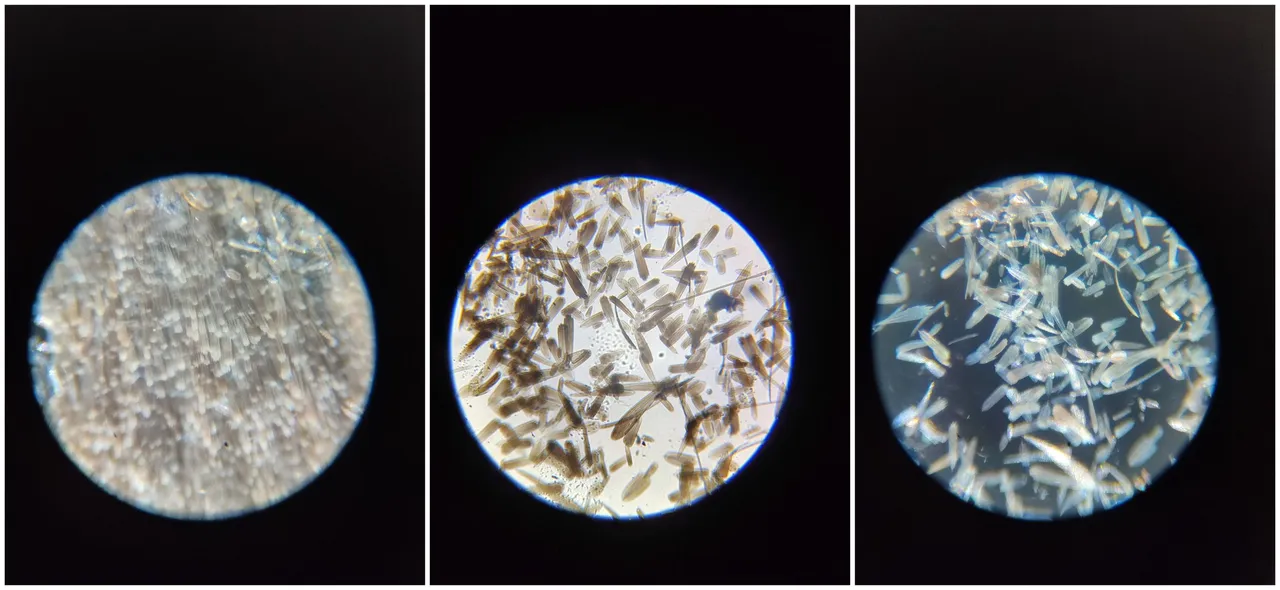

Moths are holometabolous animals, this means that they have their four larval stages, eggs, larva, chrysalis, pupa, adult! They have oviparous sexual reproduction, they are true reproductive machines and are capable of laying up to 300 eggs in some species! They live for a short time and environmental factors play a crucial role in their reproduction, they depend a lot on temperature, humidity! For example, diurnal lepidoptera are quite sensitive to climate change!🧫🧠
las polillas son animales holometabolos esto significa que tienen sus cuatro fases larvarias, huevos, larva, crisalida, pupa, adulto! tienen una reproduccion sexual ovipara, son unas verdaderas maquinas reproductivas y son capaces de poner hasta 300 huevos en algunas especies! viven poco tiempo y los factores ambientales juegan un papel crucial en su reproduccion, dependen mucho de la temperatura, humedad! por ejemplo las lepidopteras diurnas son bastante sensibles con el cambio climatico!🕵️♂️🧫🦋
mouthparts🧠/ piezas bucales🔬🦋🕵️♂️

lepidoptera in general have a proboscide! this is functionally similar to that of a fly! It is adapted to suck, very interesting to see it under the microscope because we can see irregularities that I don't know if they have to see to attract things, although within this type there is usually an extension that fulfills a function such as "tongue".🧠🔬
los lepidopteros en general tienen una proboscide! esta es parecida funcionalmente a la de una mosca! esta adaptada para succionar, muy interesante verla al microscopio porque podemos ver irregularidades que no se si tienen que ver para atraer cosas aunque dentro de ese tipo normalmente hay una extension que cumple una funcion como "lengua".🧠🦋

As the animal was dead I did a dissection to extract the blood and see how it was composed! It is quite interesting and when we highlight the colors we see green and yellow tones, it is the hemolymph! They have a molecule called hemocyanin that is responsible for transporting oxygen in the blood!🦋🩸
como el animal estaba muerto hice una diseccion para extraer la sangre y ver como estaba compuesta! es bastante interesante y cuando resaltamos los colores vemos tonalidades verdes y amarillas se trata de la hemolinfa! tienen una molecula llamada hemocianina que es la encargada de transportar el oxigeno en la sangre!🦋🩸🩸🔬

DNA is an organization to foster and DENSIFY NATURE-APPRECIATION which aims to establish REPORTS OF BIODIVERSITY DATA that is contributed by all of us Hiveans and subsequently cataloged.
Therefore DNA searches for HIGH-QUALITY posts that aim to DESCRIBE and determine the BIODIVERSITY AROUND YOU with added EXPLANATIONS and INFORMATION. For these informative posts they offer a CURATION SERVICE using the  Hive account@dna.org account. It is also a CURATION TRAIL. Just add the #dna TAG if you think that any of your posts is what they are looking for.
THANKS FOR READING ME (PHOTOS OF MY PROPERTY) / GRACIAS POR LEERME FOTOS DE MI PROPIEDAD🙂🧠🦾👍
Referencias bibliograficas / Sources:
