
Rain isn't a frequent guest during the summer in my area, and by that I mean in my immediate area, my hometown and its narrow surroundings, very often it happens to rain abundantly only 10 kilometers north and inland from here, but this southern cape remains dry and arid ... but ... when it rains, and I can't go out chasing insects and other small arthropods for my next post ...

... I can always rely on a small, loyal community of invertebrates living in my house ... and some occasional visitors attracted by electric lights.

This is the Clogmia albipunctata. It looks like a furry little moth. But is actually a fly ... from the Psychodidae family. Their larvae live in various aquatic to semi-terrestrial or sludge-based habitats ... including the bathroom sinks.

Their presence means that pipes and drains in and underneath my house are not in perfect sanitary conditions ... but ... the fact that I see only few of them from time to time, sometimes for months I don't encounter any, means that my bathroom is in overall pretty decent conditions.

Unlike the Clogmia albipunctata, a fly that looks like moth ... this is a moth that looks like a moth ... and is resting above my room's door.
I don't know the name of this species ...
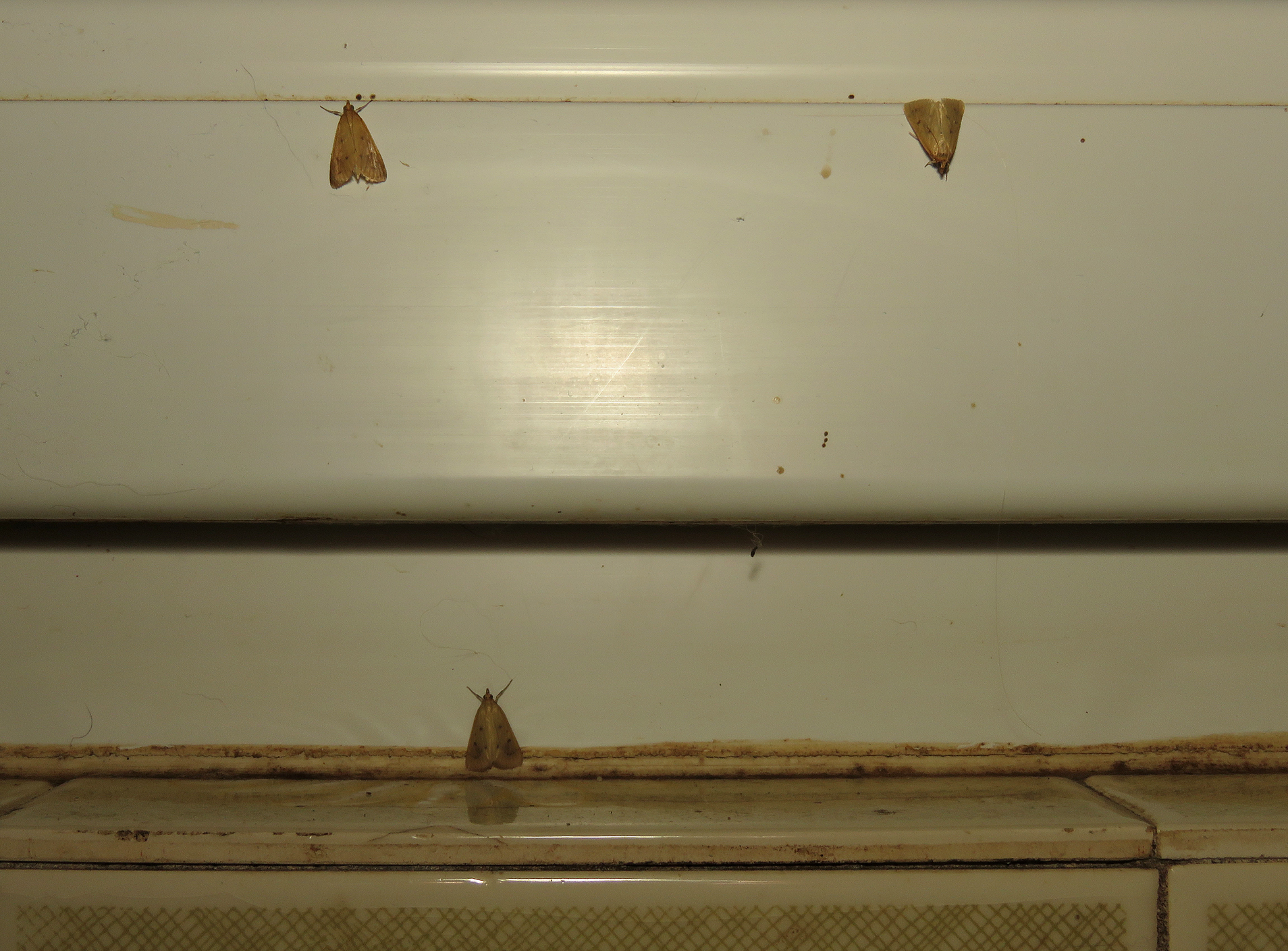
... but there are more of them on the bathroom's only window ...

... or more precisely, there were more of them ... for a few days at the end of August.
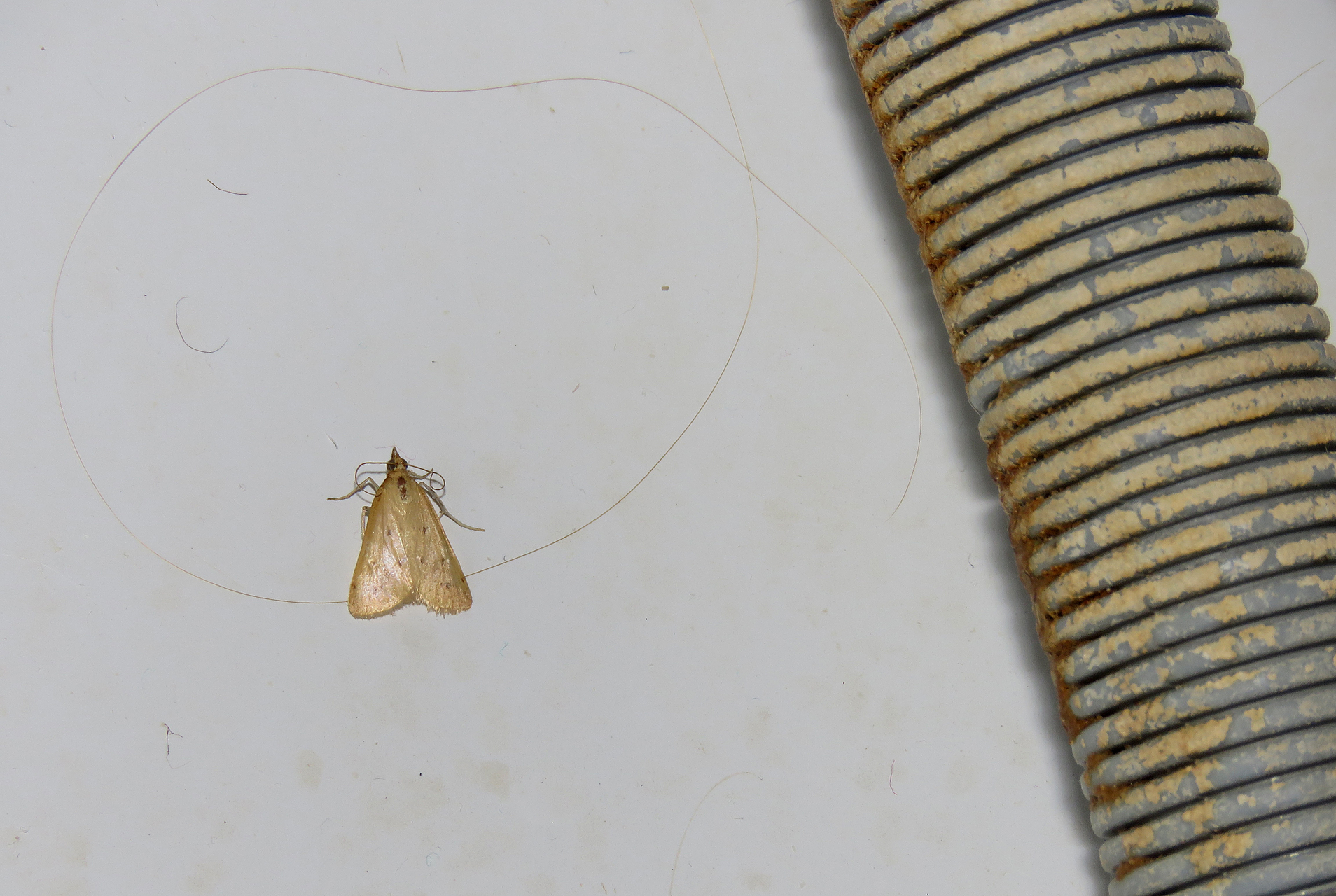
It was a short home invasion ... and I haven't seen them since then.
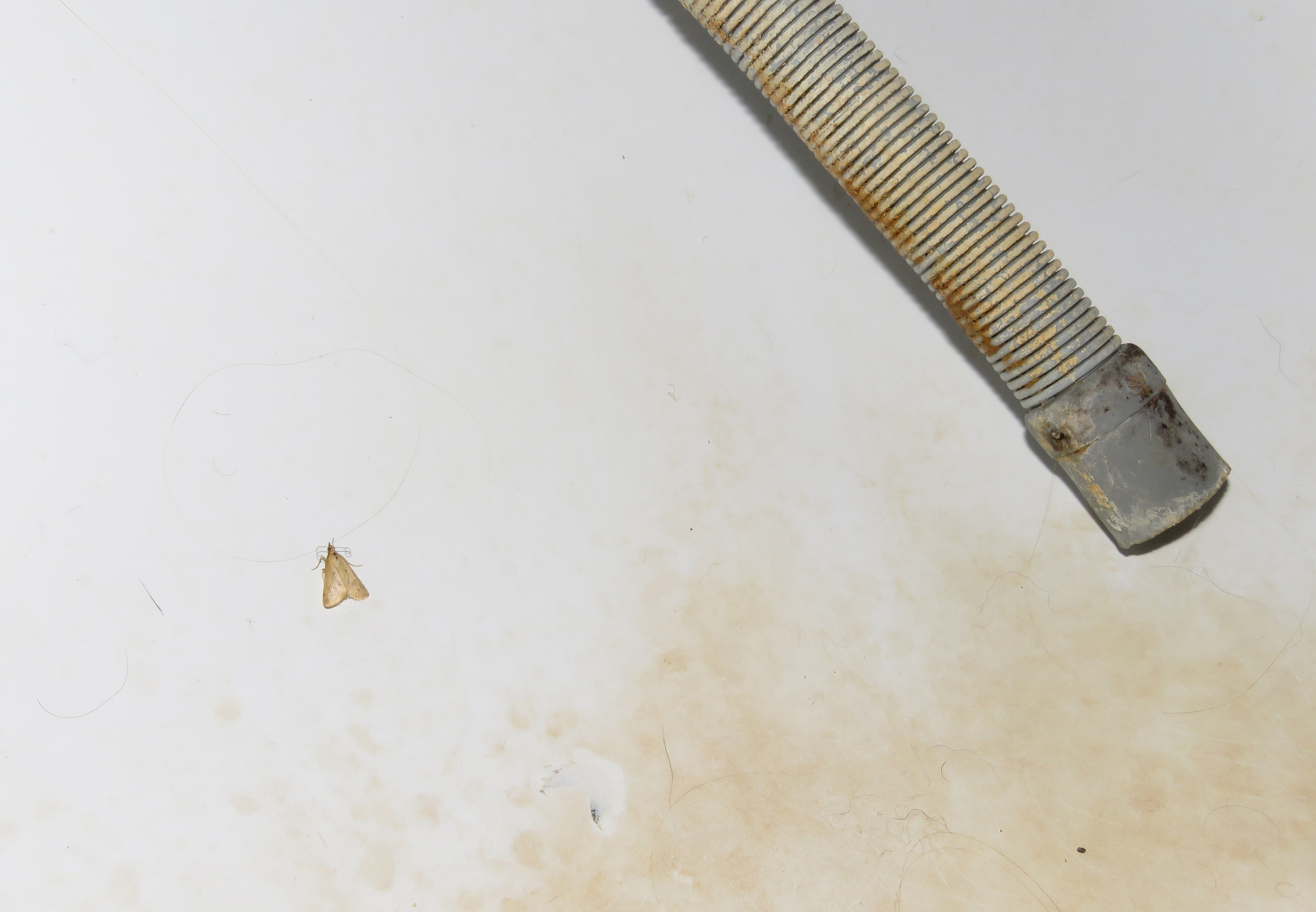
Here you can see one of those moth resting in the bathtub ... near the drain pipe of the washing machine ... and on the following photograph ...

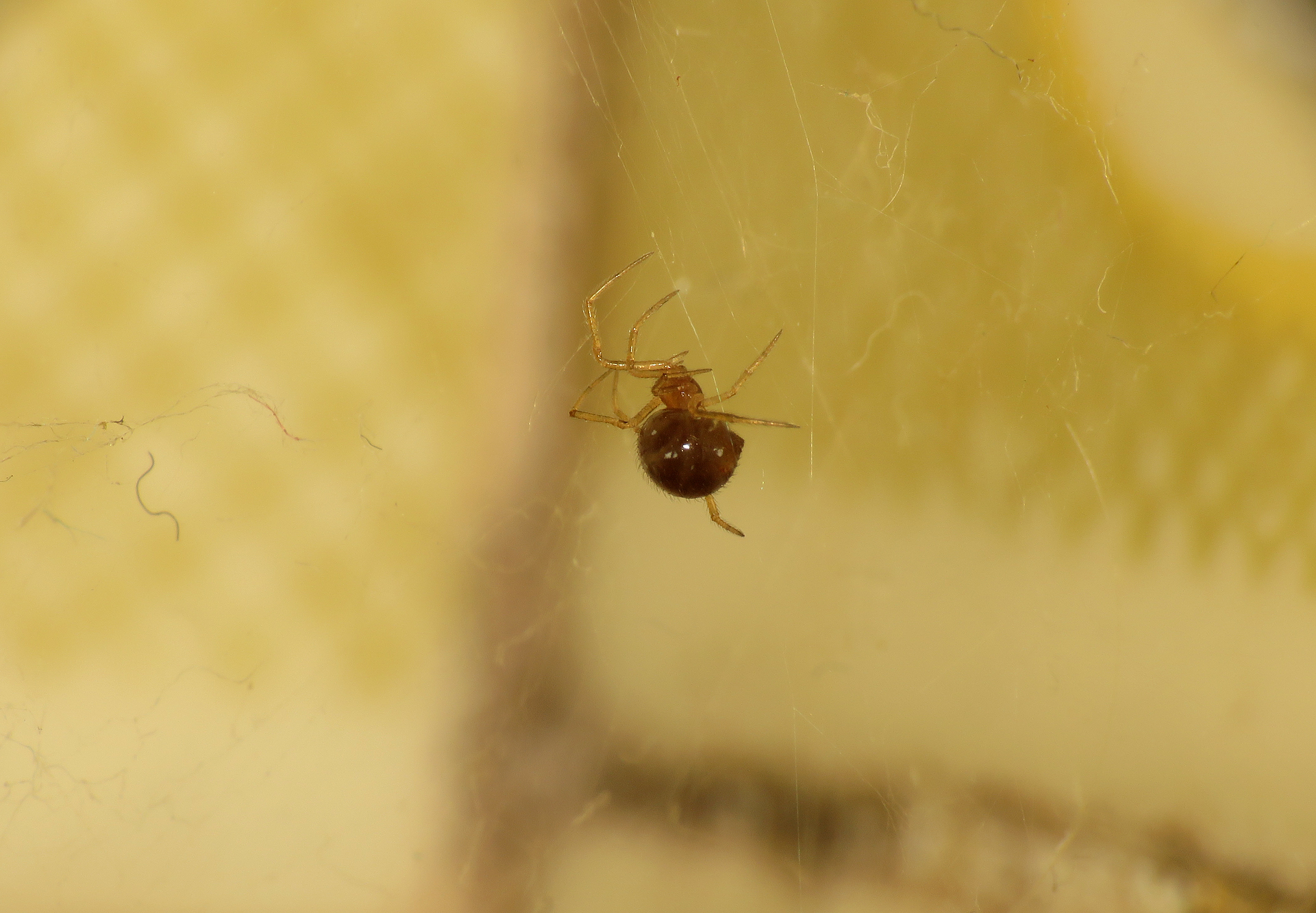
... taken some weeks later ... you can see two spiders hanging in approximately the same place.

I don't know what species is this.

They are very small ... and usually well hidden ... I rarely notice them.
A few days ago, while exploring the bathroom in search for more material to put in this post ...
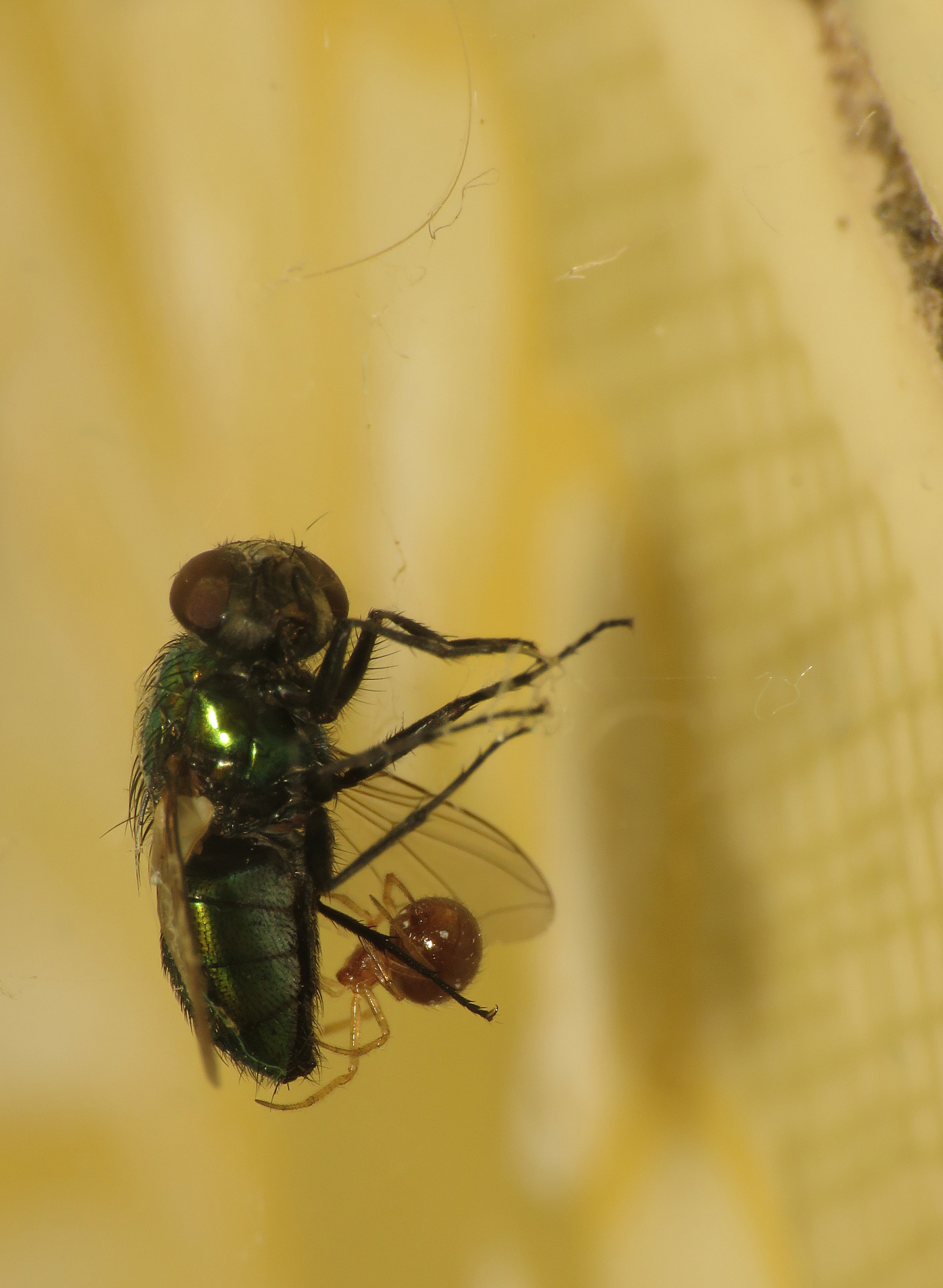
... I saw a dead fly hanging on invisible threads slightly above the bathtub ...

... and when I took a better look through my macro lens ... I noticed one of these spiders feeding on the pretty large fly ...

... I mean pretty large when compared to the spider. This is Lucilia sericata, called also the Common green bottle fly ... and on the following photograph ...
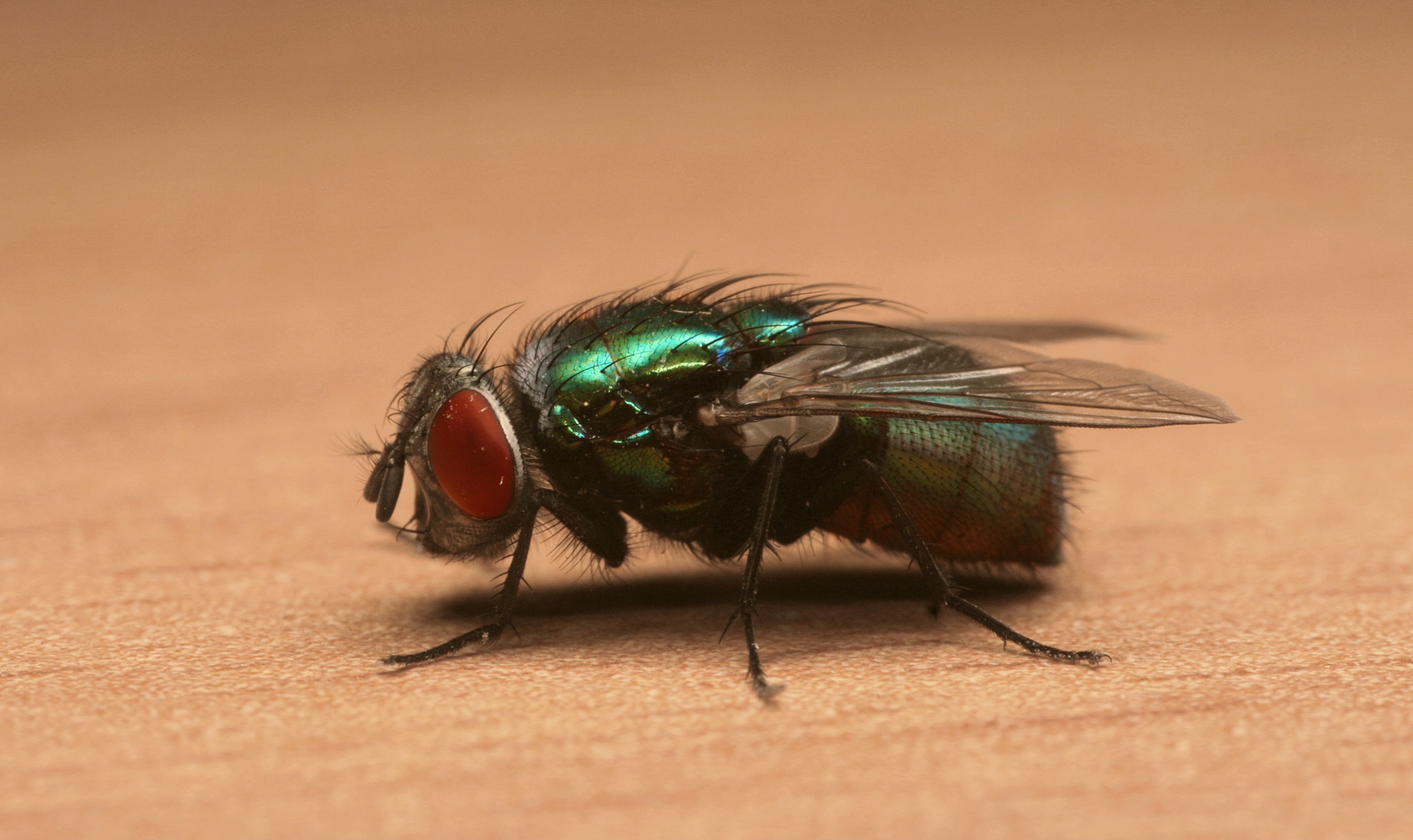
... you can see one of these flies alive. They usually stay out of house, swarming around the cat food remains and around me when I'm cleaning and washing the fish in front of the house. Beside being annoying around garbage and food ... these insects are also surprisingly useful in some cases ... Their larvae can be used for maggot therapy, which means the introduction of living, disinfected maggots into the non-healing skin and soft tissue wounds of a human or animal for the purpose of cleaning out the necrotic (dead) tissue within a wound.
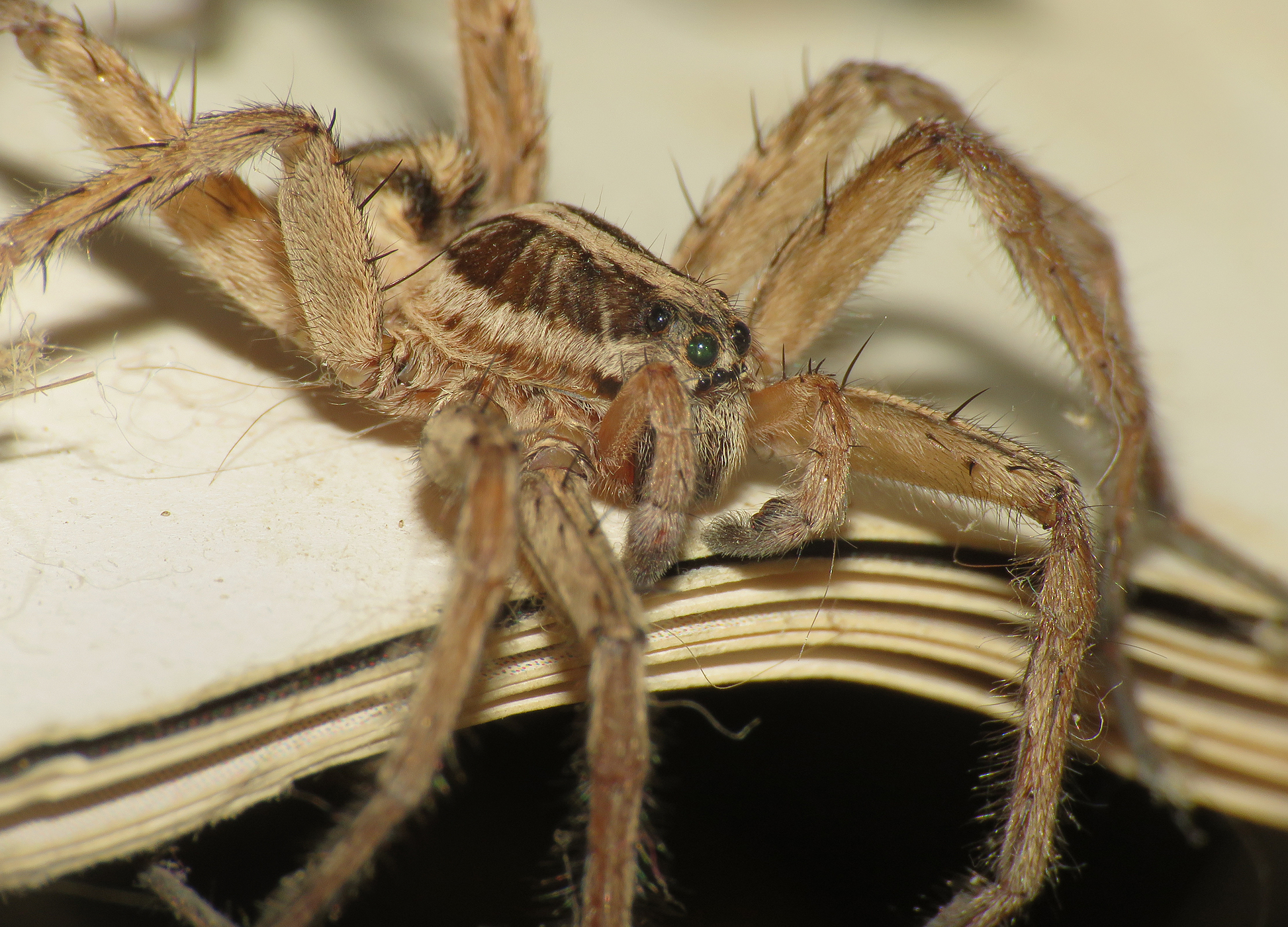
Not all spiders in my house are small.

This is the Hogna radiata. They usually live and hunt hidden in shady places, under the cupboards or in big pile of old books, ad example.
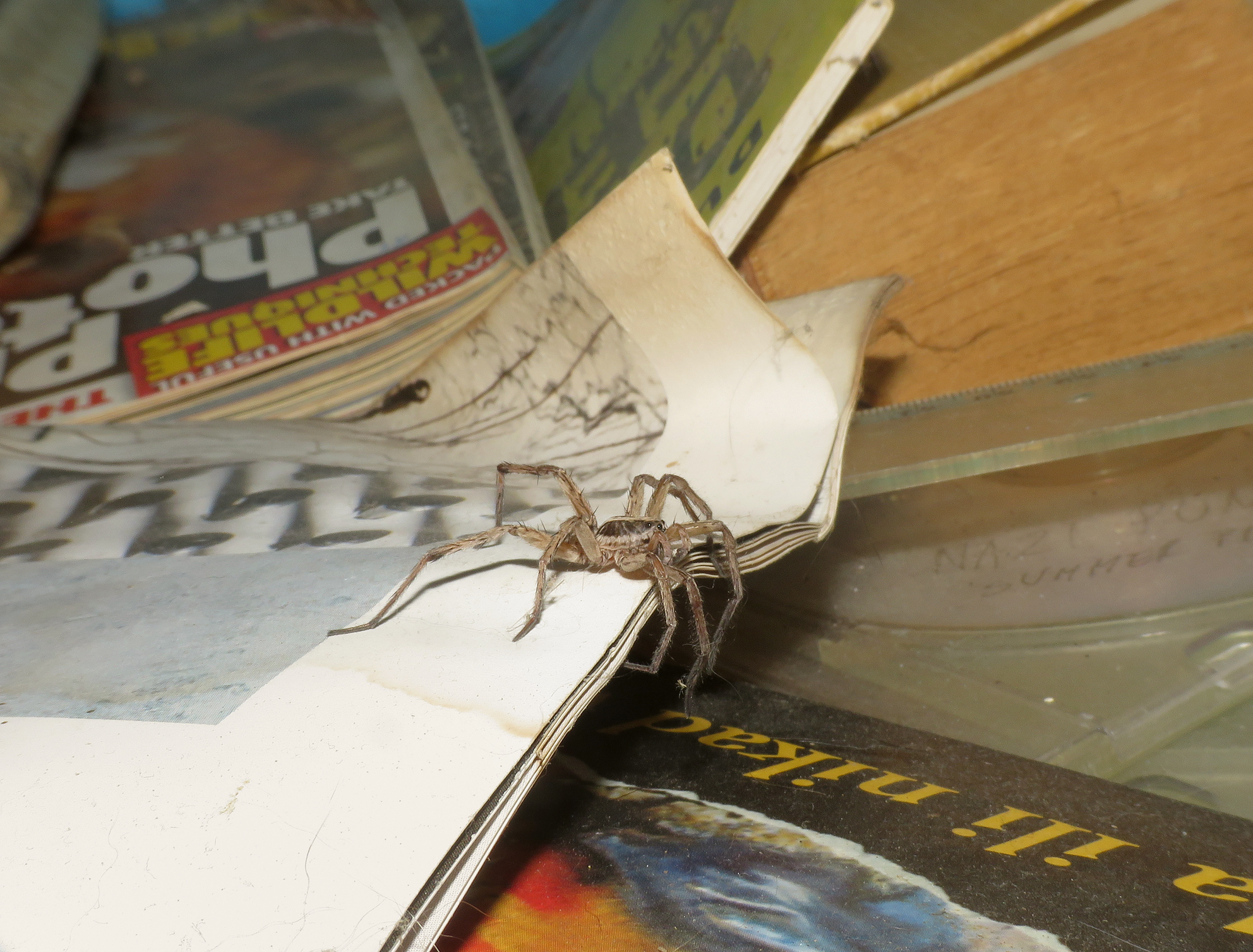
It's always nice to see them out in the open :D

Here you can see a small black fly of some species unknown to me ... and now ...

... let's go back to the moths ...

... because they are the most numerous and varied of all summer visitors. This looks like some species from the Cyclophora genus of the Geometridae family ... the shape is right ... but I found many similar looking species in my internet search ... so I can't tell you which one exactly is this one.

Here I can be more precise for a change :) This is the Dysgonia algira moth. Their caterpillars feed on blackberry shrubs, willow trees ... and some other related plants.
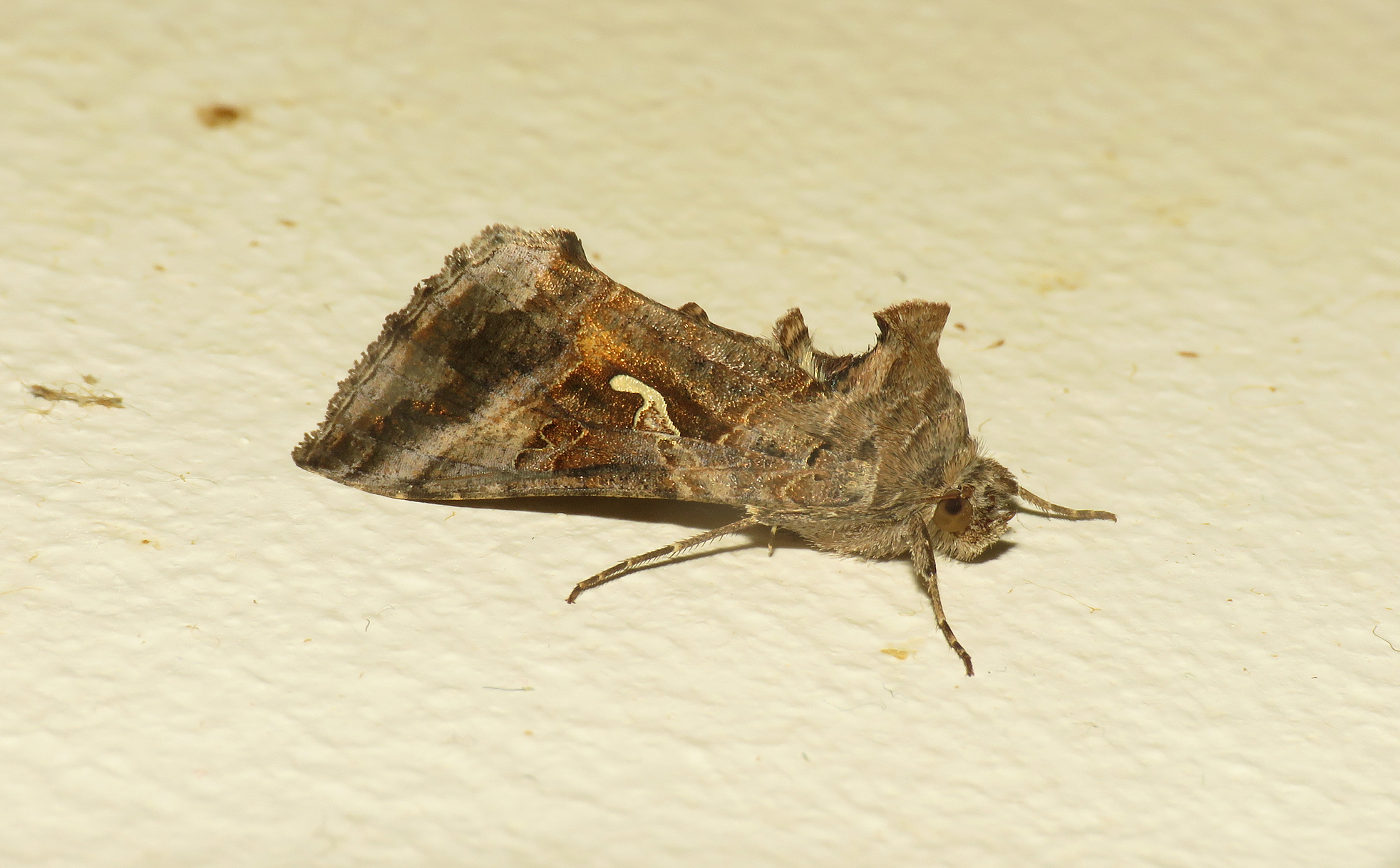
This is the Autographa gamma ... they are very common and numerous here ... and everywhere throughout the Europe, I think.

This one looks a lot like the Cymbalophora pudica ... but I'm not completely sure.
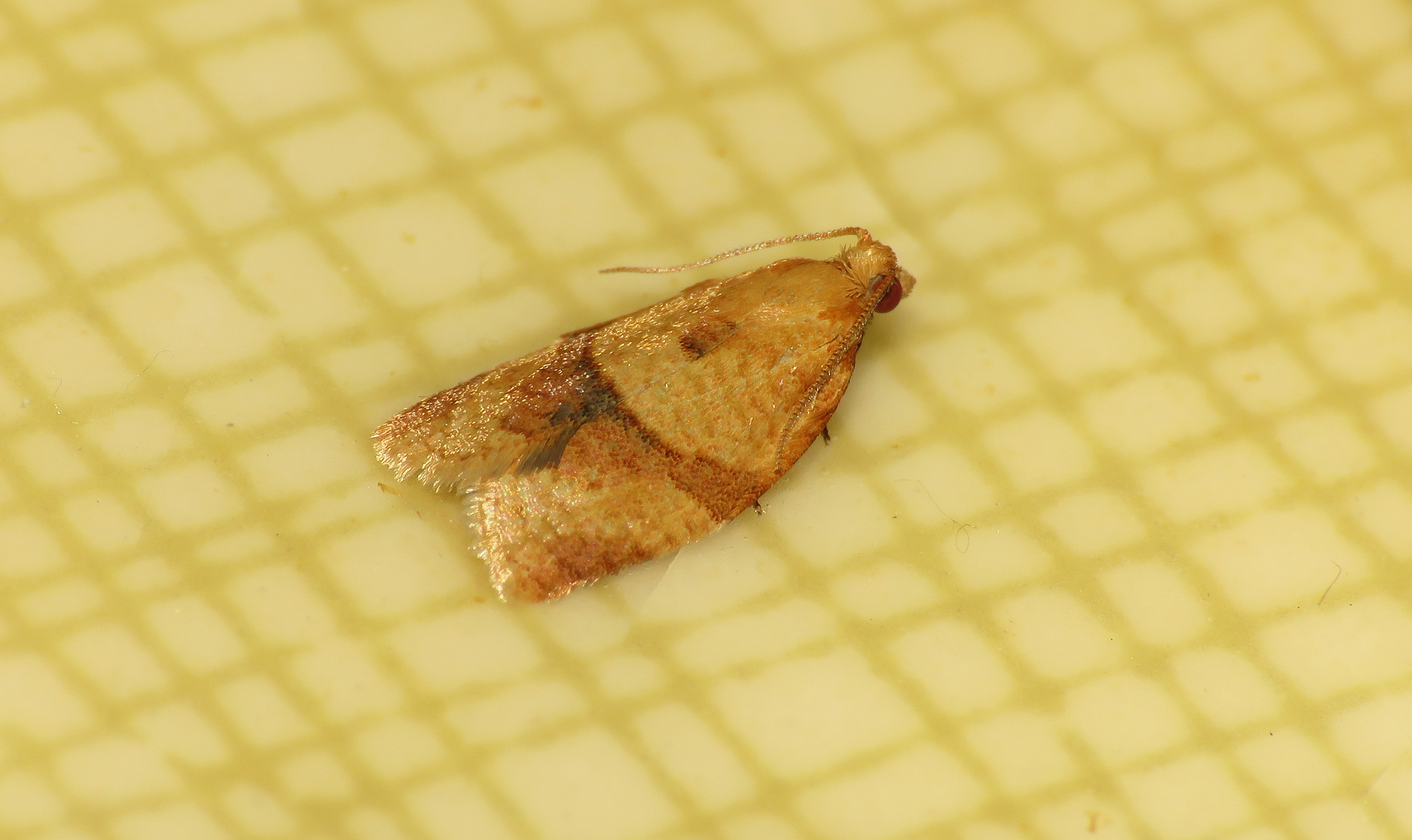
Here I'm completely sure that I can competently tell you that I don't know what species is this ... but ... I can tell you that I see these moths regularly in my garden, hidden in the foliage of the tangerine tree during the day ... and sometimes at night, they end up in the bathroom.

This is the Emmelina monodactyla moth ... resting on the window ... in the bathroom, of course.

I don't know the name of this small species on my ceiling ...

... nor of this pretty generic looking moth in the bathroom ... but ... the moth on the following picture ...

... is easy to determine.
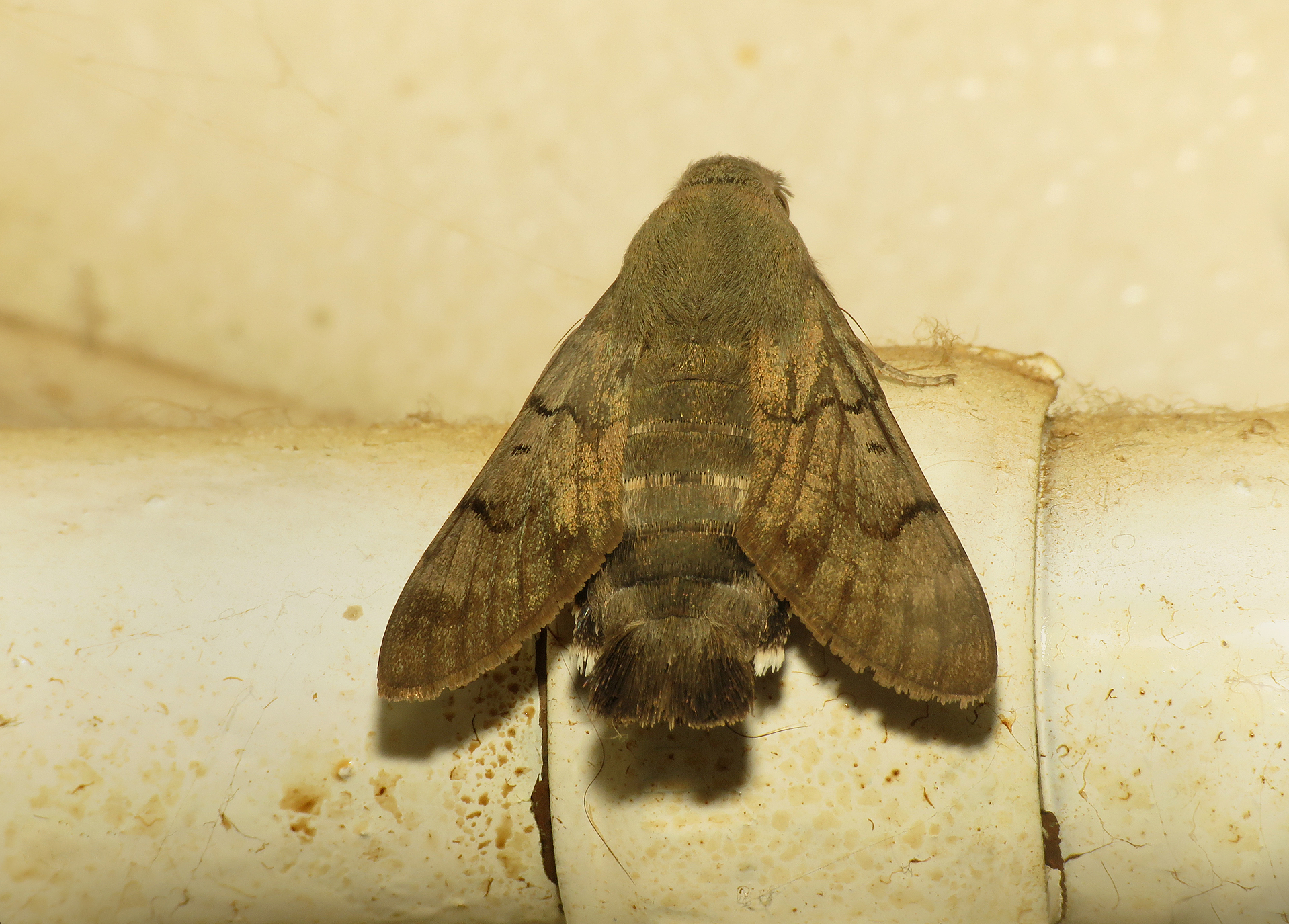
This is the Hummingbird hawk-moth (Macroglossum stellatarum)
A diurnal species that rarely ends up in my house. They usually hover outdoors, around flowers in my garden.

The common houseflies (Musca domestica) are very numerous and prosperous at the end of summer and throughout the first half of autumn ... I took this shot less than an hour ago, to add a bit of immediacy to the post.
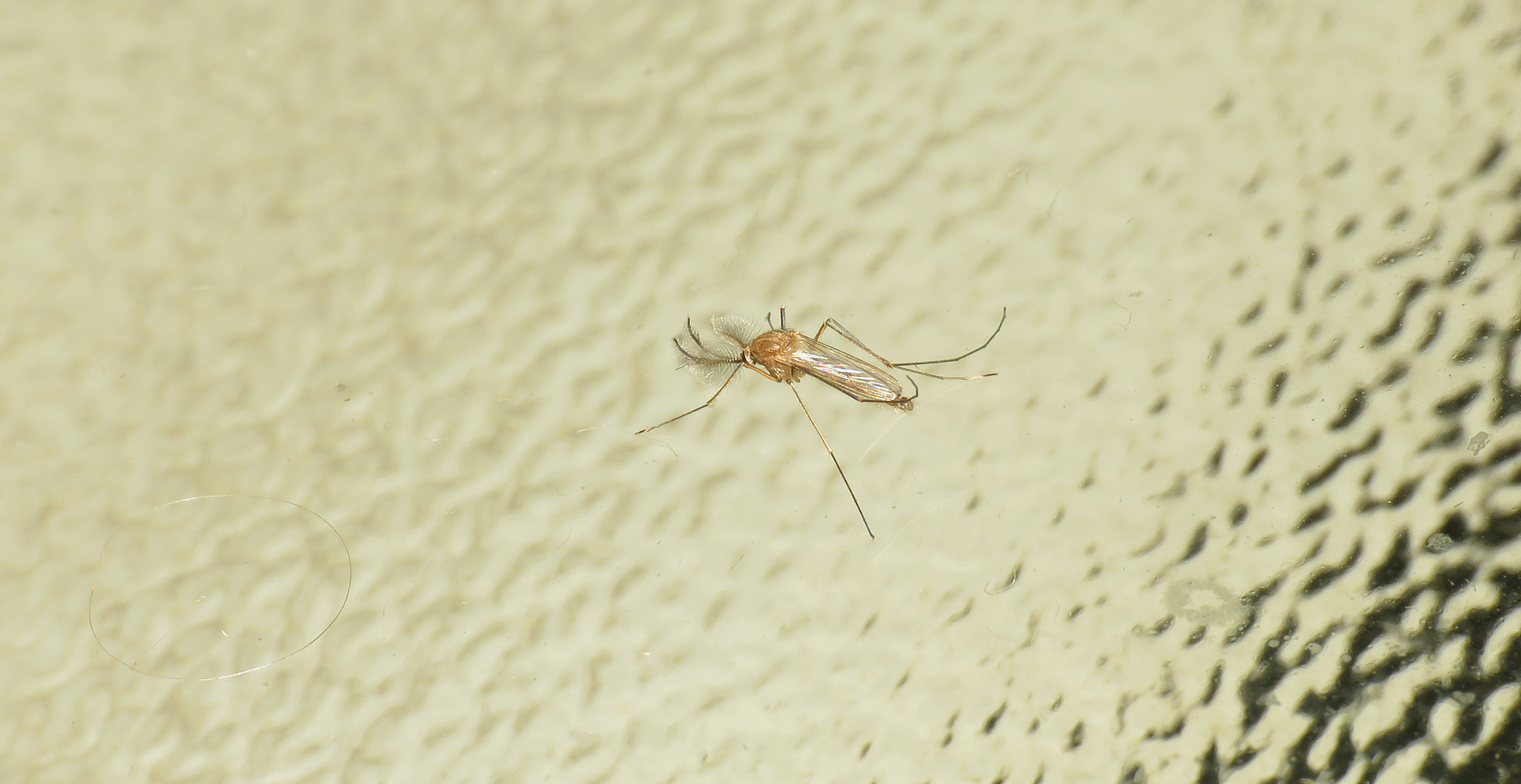
Mosquitoes ... and some other mosquito - like flies are also often in house.

The blood - sucking females are a regular annoyance ... but here I'm showing you the male mosquito. I see them rarely. This one ended up here in search for female ... I guess ... but don't take this as a hard science :) I don't know what exactly is he doing here.
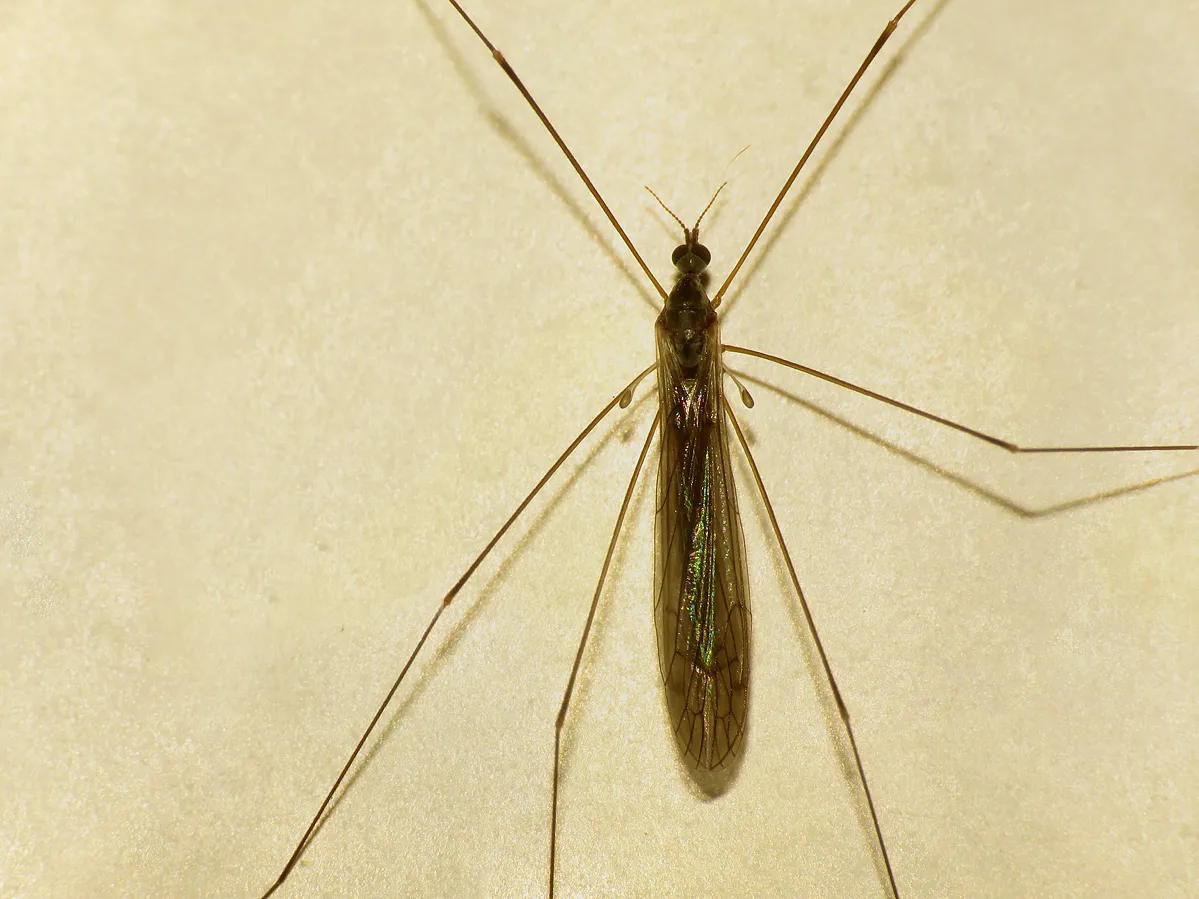
This Crane fly looks like an oversized, long legged mosquito.

They like humid and shady places ...

... like my bathroom, ad example. This one is resting in the bathtub.On the following photograph ...

... you can take an up close look at another arachnid ...

... a pretty iconic one - the scorpion. This is the Euscorpius italicus. About 4 - 5 centimeters long. Mildly venomous and pretty quiet. They usually mind their own busyness, under the furniture and in other dark, hidden places ... they rarely come out in the open, and is always nice to see them there ... in the open ...
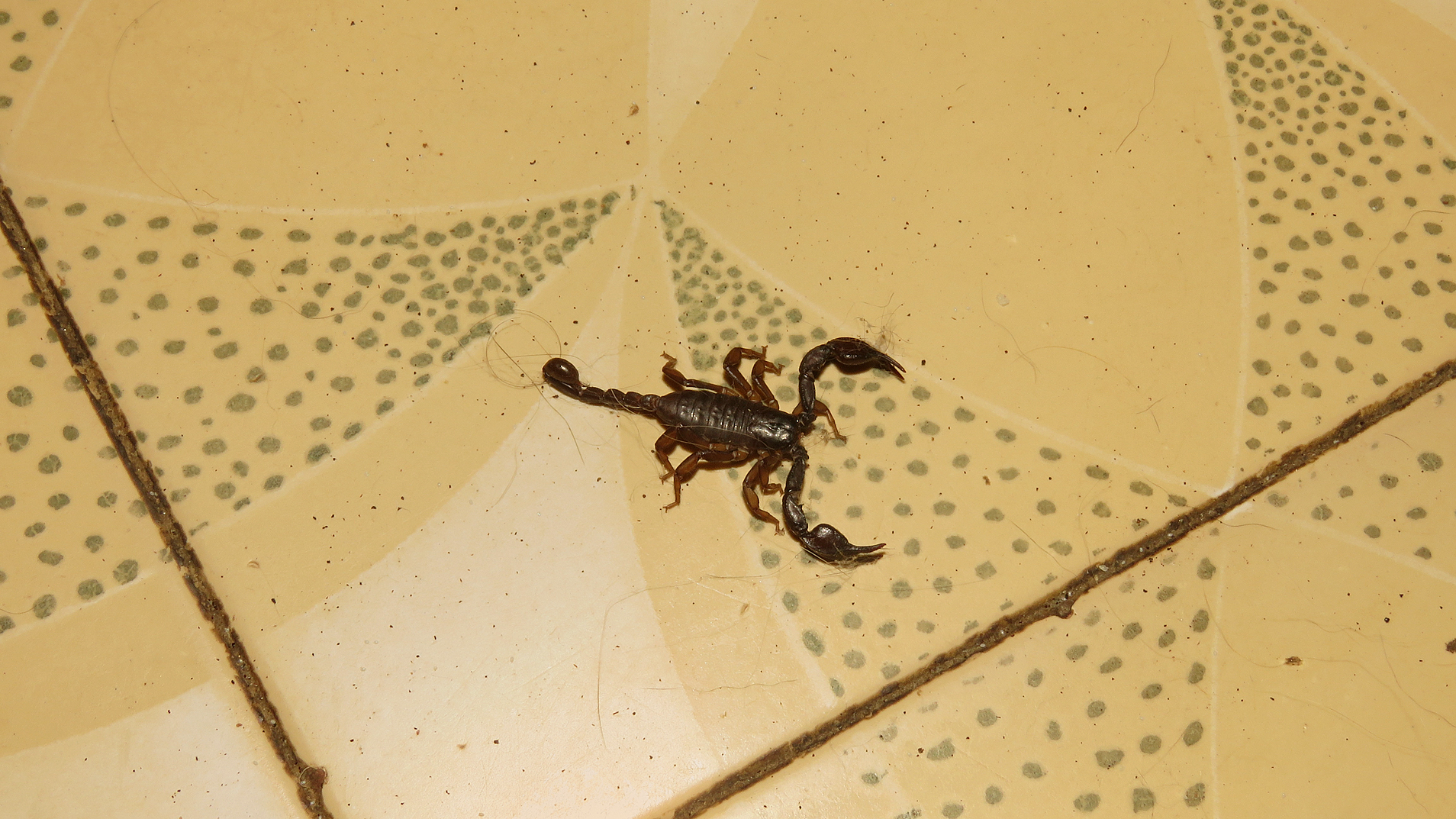
... in my kitchen, ad example ... like on this photograph. And now ...

... with this closing shot ... a common housefly that landed on my PC monitor while I was preparing the post for tomorrow ... which make it a nice introduction to what follows after today ... and has nothing to do with insects and spiders, I'll tell you only that much here ... is time to end this collection. And that's it - THE END.
As always in these posts on HIVE, the photographs are my work.