
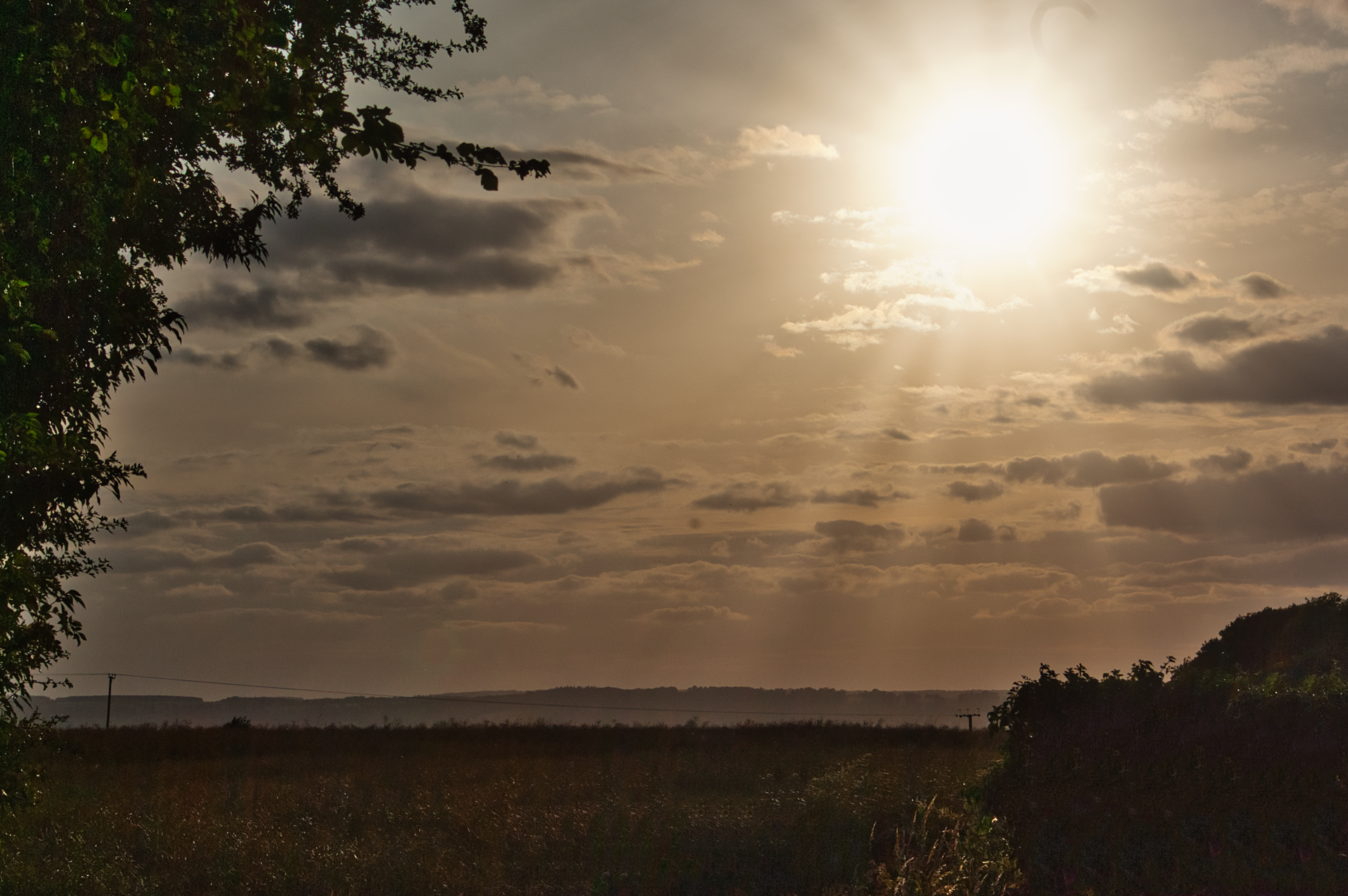
9 AM in England, taken by me.
At first, I thought it was the discipline and coffee that were making me feel awake, but I recently found out that light is a much simpler explanation for how alert or tired I felt in the morning.
Morning light is one of the most significant environmental clues that the brain uses in regulating its daily cycle of activity. Many usual morning routines of drinking coffee or going to the gym or having a productive habit are less directly influential on circadian phase than the exposure to morning light during the transitions from sleep to wakefulness.
The brain has a built-in timing system called the suprachiasmatic nucleus (SCN). It is sometimes called the body’s master circadian clock because it does many things, including regulating when you sleep, when you are alert and when hormones are released. The SCN is extremely sensitive to the amount of light the brain is exposed to, particularly in the morning.
When you awake early in the morning and step out into bright morning light, it sends a very strong biological message and serves to align your internal circadian clock with the day outside, which in turn facilitates a stable sleep pattern and boosts your alertness during the day. If there is not enough light, it's easy for your circadian rhythm to drift later, which also makes it hard for you to get and stay awake in the morning when you want to be awake and can also delay your sleep timing.
Morning sun isn’t just an energy boost but a timing signal that tells the brain when to start being awake and when to start shutting down later in the day.
Practically speaking, if you spend some time outside in the morning (even just 5 to 10 minutes on sunny days or 10 to 20 minutes on cloudy days), it will have an effect on aligning your circadian cycle and will aid in the brain’s transitioning into the day.
References
Wright, K. P., McHill, A. W., Birks, B. R., Griffin, B. R., Rusterholz, T., & Chinoy, E. D. (2013). Entrainment of the human circadian clock to the natural light–dark cycle. Current Biology. https://doi.org/10.1016/j.cub.2013.06.039