
Hey Everyone 👋🏻
India is a country known for its rich culture, traditions, diversity, and history. We take pride in our festivals, values, and hospitality. But when it comes to civic sense — basic social responsibility and public behavior — we often fall behind. No matter how strong our economy grows or how advanced our infrastructure becomes, without civic sense, we cannot truly become a better nation.
Civic sense is not about strict rules or punishments. It is about how we behave in public spaces, how we treat shared resources, and how mindful we are of others around us. Simple things like not littering on roads, standing in queues, respecting traffic rules, keeping public toilets clean, and caring for public property come under civic sense. Unfortunately, these are the very areas where we struggle the most.
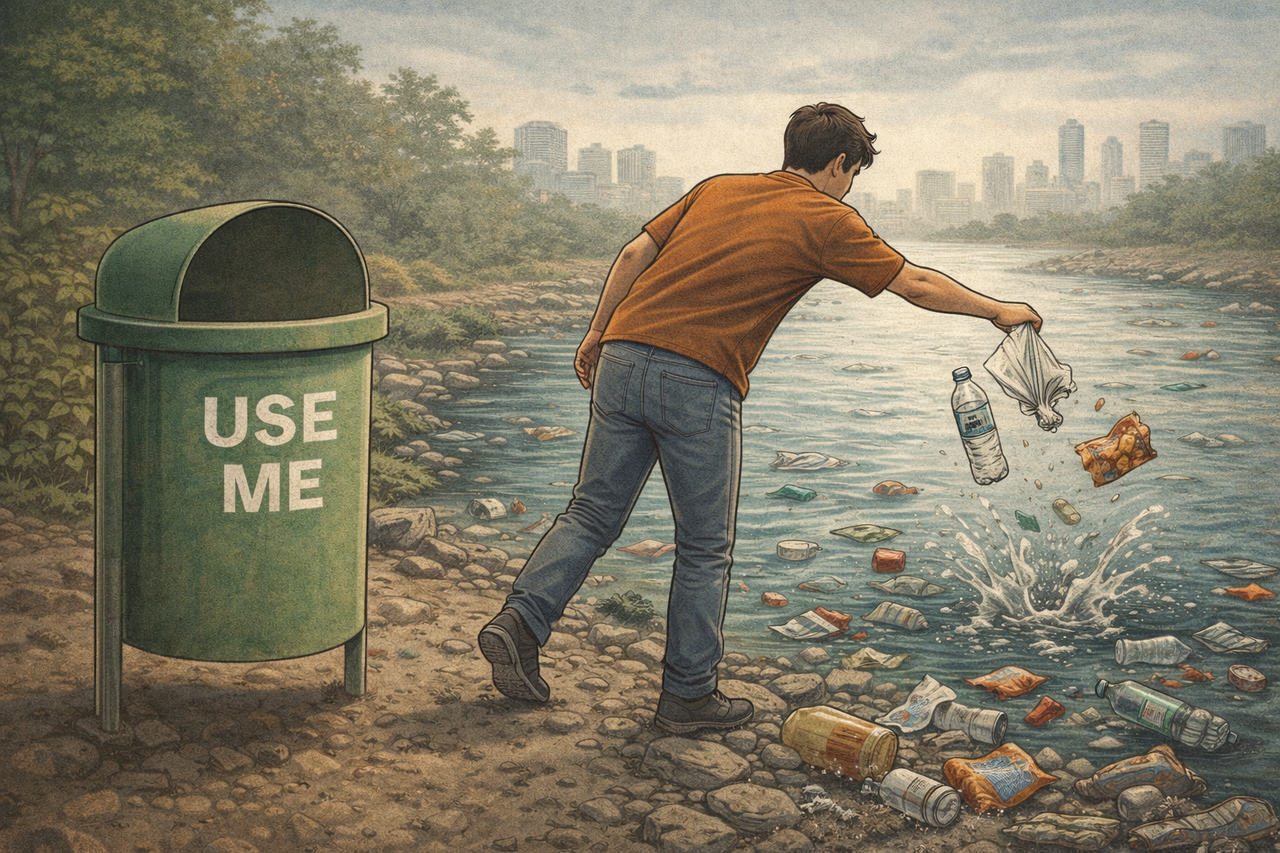
One of the most common sights in India is garbage thrown casually on roads, from moving vehicles, or in open areas, even when dustbins are nearby. People often complain that the government does not keep cities clean, but cleanliness starts at an individual level. A clean nation cannot be built only by sweepers and municipal workers if citizens themselves do not feel responsible.
Traffic behavior is another major concern. Jumping signals, wrong-side driving, unnecessary honking, and blocking free left turns have almost become normal habits. These actions not only create chaos but also put lives at risk. We often blame traffic police or road conditions, but the real problem lies in our lack of patience and discipline.
Public property is treated as “nobody’s property.” Buses, trains, parks, benches, walls, and lifts are damaged, scratched, or misused without guilt. If the same things were inside our homes, we would handle them with care. This mindset of ignoring responsibility for shared spaces needs to change.
Civic sense also reflects in how we treat others. Loud phone calls in public places, unnecessary arguments, lack of respect for personal space, and intolerance towards different opinions are becoming common. Living in a densely populated country like India requires empathy and cooperation, not constant competition.
The root of this problem starts early. Civic sense is rarely taught seriously at home or in schools. Children learn by observing adults. If parents break rules, throw waste outside, or disrespect public systems, children grow up thinking it is normal. Education should not be limited to books; it should include practical lessons on public behavior and responsibility.
Developed nations are not perfect because of strict laws alone; they succeed because people willingly follow rules. Civic sense makes life easier for everyone — fewer conflicts, cleaner surroundings, safer roads, and a healthier environment.
India has the potential to be one of the greatest nations in the world. But development is not only about skyscrapers, highways, or digital progress. True development is reflected in how citizens behave when no one is watching.
If each of us takes small responsibility — throwing garbage in bins, following rules, respecting others, and teaching the next generation the same — change will happen. A better India does not need miracles. It needs mindful citizens.
Because a nation is not built by governments alone; it is built by the daily actions of its people.

Thank you♥️ for being here
Your presence means more than you know🤗
Until next time (. ❛ ᴗ ❛.)
Stay kind 🌸
──── ✧ ✦ ✧ ────
Stay curious 🧠
──── ✧ ✦ ✧ ────
Stay you 🫵
