

Aktuell wird mit Wedium (https://wedium.social) ein neues „EU-Social Network“ angekündigt, das ohne Bots, Fake Accounts, Hass und Ragebait auskommen soll. Die Vision klingt gut – mir fehlt jedoch Transparenz zur Technologie, Governance und Umsetzung. Besonders spannend finde ich die Frage, warum wir über neue zentrale Web2-Plattformen sprechen, obwohl es bereits Web3-basierte Social Networks gibt. Mich interessiert eure Einschätzung.
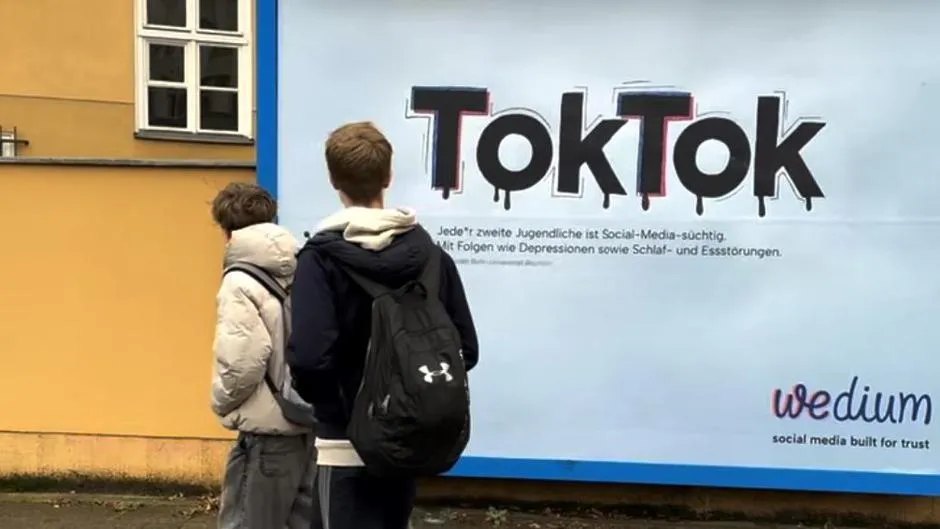
EU-Style Social Media: Vision, Illusion, or a Real Alternative?
Over the last days I came across the announcement of a new “EU-style social network” called Wedium (https://wedium.social).
According to their website and LinkedIn communication, Wedium positions itself as a European alternative to existing platforms, promising:
- no fake accounts
- no bots
- no ragebait
- no hate or harassment
- hosted and built in Europe
- compliant with GDPR, DSA, youth protection laws
On a values level, this sounds appealing or at least interesting.
On a structural and technical level, I’m skeptical.
Big promises, little transparency
After reviewing the website, what stands out is not what is explained – but what is missing.
There is currently very limited information about:
- the underlying technology stack
- how identity and verification are handled
- moderation and governance mechanisms
- incentive structures and business model
- how claims like “no bots” or “no fake accounts” would actually be enforced
These are not minor details.
They are core design decisions that define how a social network behaves at scale.
Without this information, the claims remain aspirational rather than verifiable.
“European standards” are not a solution by themselves
Wedium strongly emphasizes “European standards” and regulation. GDPR and DSA are important, no doubt.
But regulation alone does not solve:
- algorithmic incentives
- attention and outrage economics
- echo chambers
- central moderation power
- platform lock-in
A social network is not just a legal framework.
It is governance, incentives, and infrastructure.
What puzzles me: Web3 social platforms already exist - I am writing on one
What I find particularly interesting is that there are already Web3-based social platforms experimenting with:
- transparent and open data layers
- community-driven governance
- reduced platform lock-in
- alternative incentive models
Hive and othera are far from perfect.
But they are at least structurally different from classic Web2 platforms.
This raises a key question for me:
Do we really want another centralized Web2 social network with an EU label –
or should Europe think more fundamentally about how social media is built and governed?
Not against the idea – against opacity
To be clear: this is not a dismissal of Wedium as a project.
Europe absolutely needs digital alternatives and sovereignty.
But trust is not created by values statements alone.
It comes from openness, architectural clarity, and verifiable governance models.
Until those are visible, skepticism feels reasonable.
Questions to the community
- Can an EU-hosted Web2 social network realistically fix today’s platform problems?
- What would “no bots” and “no fake accounts” require in practice?
- Should Europe invest more in Web3-style approaches instead of rebuilding Web2?
- What would make you trust a new social platform today?
Curious to hear different perspectives.