

Scientific Name: Citrofurtunella Microcarpa.
Calamansi is an hybrid between citrus and kumquat.Kumquat are edible fruit that resembles much of an orange.

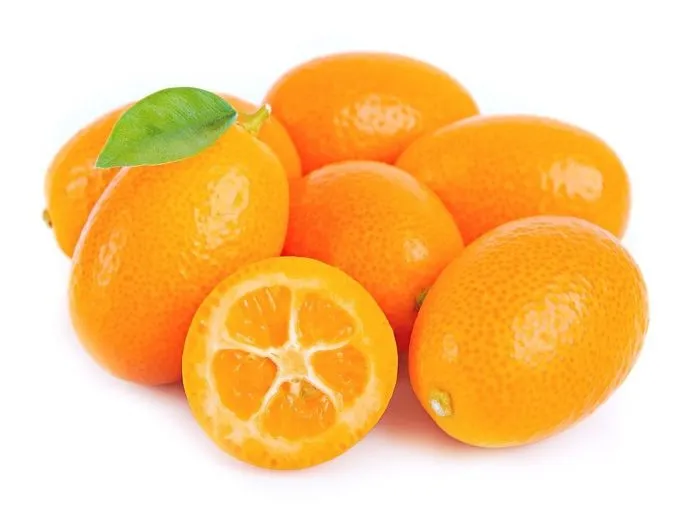
source
Calamansi is highly cultivated and planted in households and farms here in the Philippines,in fact calamansi is available in the country throughout the year.Mostly the calamansi tree is grown for ornamental purposes than it is as a fruit bearing plant.It's fruits are edible and the tree is more often seen with it's fruit in the green unripe state.It has a distinct characteristics,its fruits are round,color green that turns yellow to orange when riped and its pulp are also orange in color with a number of seeds.Calamansi fruit is tangy sour.
Health Benefits:
- Vitamin C:helps boost immune system.
- Vitamin A:for growth and development.
- Thiamine:used to threat and prevent Vitamin B1 deficiency.
- Phosphorus: used for growth and repair of body cells and tissues.
- Iron:essential for blood production.
- Calcium: good for bones.
- Niacin:(Vitamin B3)used by the body to produce energy.
- Protein:use to build and repair tissues.
- Carbohydrates: use to provide energy to the body.
Calamansi just like any citrus fruit is rich in Citric Acid,and here in the Philippines the extracted juice are commercially sold after being processed.

Calamansi uses:
- The calamansi juice is commonly and ideally used to cure common cough and colds.
- It is also popular for weight loss.A fresh squeeze calamansi extract is mixed with a glass of water with honey and be taken every morning before breakfast.
- Rubbing calamansi peel on the skin/face helps eliminate blemishes and achieve a more whiter complexion.
- In culinary purposes,calamansi are used to tenderized meat,marinating and sauce(mixed with vinegar and soy sauce)
- Calamansi is also a natural bleaching agent commonly used to remove stubborn stains on clothes.
Calamansi may be a small fruit but its goodness and benefits are remarkable.