

This summer has been a scorcher! It's 100 degree in the shade today and some of our plants are showing signs of the weather.
We are in the midst of a drought and have have experienced routinely high temps and low rainfall for a couple of months. Here's a video highlighting some of our observations and strategies for successful food and medicine production in the face of a changing climate.
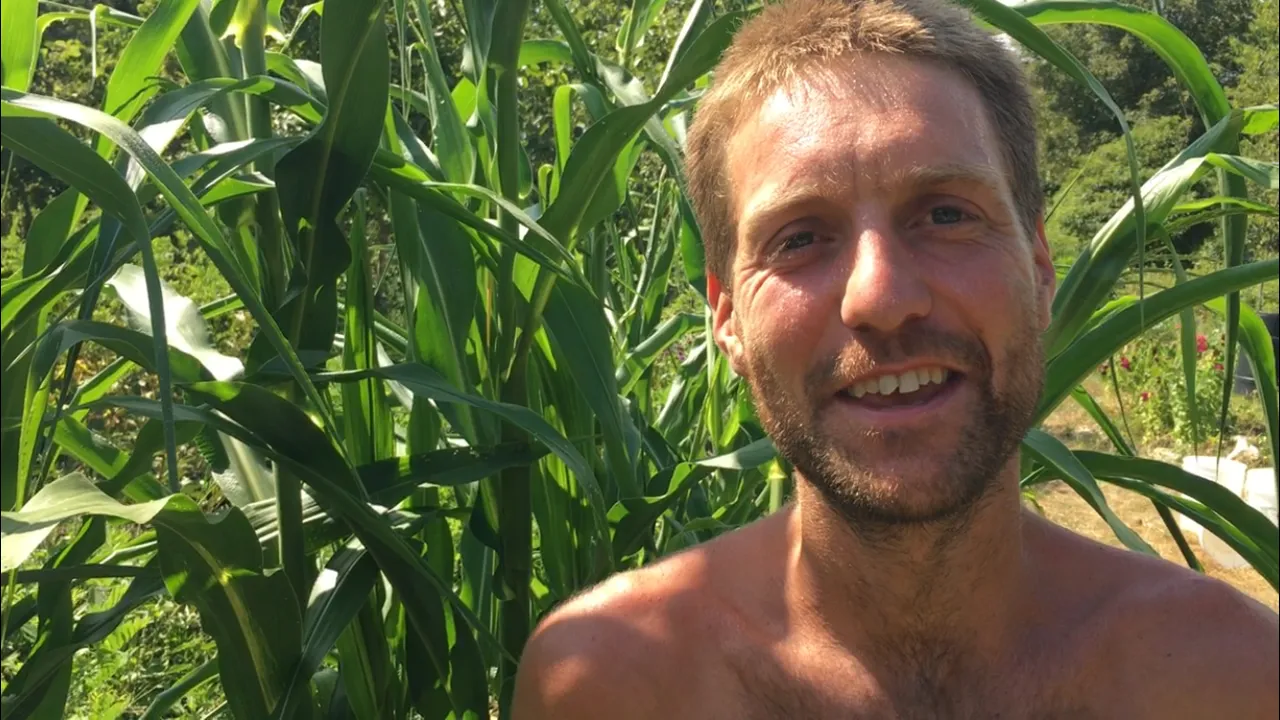
We notice some plants are not showing signs of the dry hot weather, while others are suffering greatly. We are taking note of which plants are happy and which aren't and are crafting our approach to living with the land and meeting our needs. It's important we create resilient systems that can withstand extreme climatic changes BEFORE it's too late. The time is upon us to consider the future and create systems that thrive in the face of a changing climate!

Almond tree and the gazebo with glorious sunset lighting
We are primarily focused on perennial agriculture and focus on hardy and resilient annuals.
Perennials are long lived plants that have extensive root systems and don't require yearly soil disturbances. One strategy is selecting the species that do well without much input from us. We focus on natives like Aronia and false wild indigo, mulberries and paw paws that have lived here much longer that we have. They are seemingly unaffected by this heat.

Mullein, a native medicinal plant, is relatively unaffected by the heat and drought
We notice that many of our trees we planted as bare root stock last fall are doing quite well and this relates to our next strategy of MULCH.
We have given each tree a generous helping of wood mulch in an effort to mimic healthy forest system. We also have added manure and biochar to many of our tree and mycorrhizal fungi at planting time. All these factors help retain water, feed the young tree, inoculate and feed fungi that supports root growth and insulates the soil from temperature extremes.

From the annual side of things, much of of squash have succumbed to squash bugs, fungi or are stressed by the heat.
We have been irrigating them some but they show us that to thrive they need more attention. In previous years we have grown sweet potatoes and they seem to do quite well growing in our poor soils during the hot summer months. Some annuals like tomatoes, okra, pole beans and corn are doing quite well for us this year and we happily plant these quick turn-around crops for food this year. I just planted a third succession of beans.

As a global culture we are experiencing ever increasing extremes in climate and are faced with a series of problems. We are dependent on a few annual crops for our food that rely heavily on inputs (usually petroleum derived) and irrigation (using groundwater at an unsustainable rate). We believe the solution to this is Permaculture.

Chicory flower
Permaculture is an ethically based design system (referring to permanent culture or permanent agriculture) with a series of guiding principles to create and maintain place based systems.
It considers the future, the land, the climate, the soil, the wind, the rainfall, the watershed etc... It's truly a holistic system that seeks to create harmony between meeting of our human needs and promoting the vitality and balance of the ecosystems of this planet. We're doing the best we can to embody our values by creating a thriving Permaculture homestead focused on perennials that love to grow here.
Thanks for tuning in. It's time we go dip in the creek.
▶️ DTube
▶️ IPFS