
Buongiorno, oggi torniamo a parlare della Big G, ovvero Google.
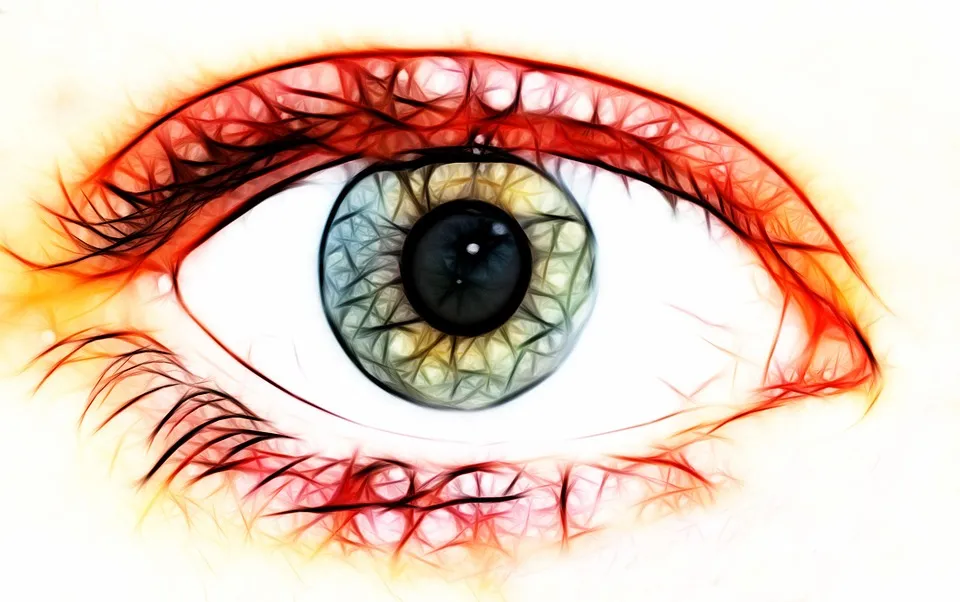
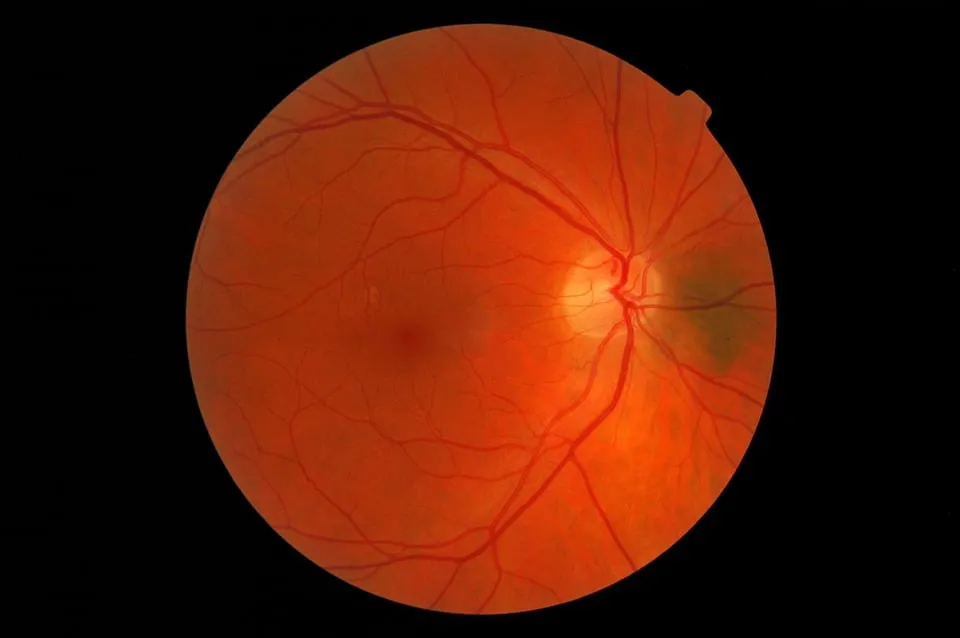
L’ultima novità di Google è l’intelligenza artificiale, che dovrebbe permettere di prevenire gli infarti semplicemente attraverso la scansione degli occhi. Il colosso di Mountain View ha sviluppato un software che è in grado di esaminare la retina di un paziente e ricavare dati sulla sua salute: pressione del sangue, abitudine al fumo, età.

Non c’è che dire, è veramente un ritrovato sensazionale, perché in pochi minuti, potremmo dire “ad un semplice sguardo”, il programma elabora i fattori ed è in grado di capire se una persona potrebbe essere a rischio di disturbi cardiovascolari. È un’opportunità importante anche per il futuro, perché, se si riuscirà ad approfondire questo tipo di tecnica, si potranno effettuare esami meno invasivi e più veloci.
Google quindi non punta soltanto a mettere a punto soluzioni informatiche utilizzabili esclusivamente in ambito tecnico, ma si rivolge anche alla biomedicina. L’avreste mai pensato? L’analisi scientifica del futuro è destinata ad avere dei supporti mai visti fino ad ora. C’è da domandarsi anche quali sono i confini da rispettare e se c’è un limite etico da prendere in considerazione.
A questo proposito le opinioni sono contrastanti, ma l’applicazione dell’intelligenza artificiale va avanti. Per il momento attraverso l’esame della retina il software di Google ha individuato il 70% dei casi di pazienti a rischio di malattie del cuore. Quindi è già un bel risultato. Tutto questo attraverso un esame che avviene all’interno dell’occhio.
Per provare questa intelligenza artificiale si sono esaminate le retine di più di 280.000 persone degli Stati Uniti e del Regno Unito. Il risultato è stato sorprendente, ma è destinato a rendere prestazioni ancora più eccezionali. Capire in pochi istanti se una persona è in pericolo significa anche poterla aiutare in maniera preventiva.
La tecnologia può rappresentare veramente un utile strumento in ambito medico? Ci sono stati casi in cui in molti non hanno apprezzato i ritrovati della scienza in campo biomedico. Basti pensare, fra tutte le situazioni, allo sviluppo di organi di animali in vitro destinati al trapianto. Forse corriamo il rischio di travalicare ogni limite?
Le possibilità aperte dalla scienza e dalla tecnologia sono infinite, come dimostra questo studio portato avanti da Google in collaborazione con la ricerca di Verily, società specializzata proprio nella ricerca biomedica. C’è anche un altro aspetto da considerare: i dati analizzati possono essere soggetti a garanzia di sicurezza in nome della riservatezza? Prendiamoci qualche attimo per riflettere sulla questione e cerchiamo di capire se veramente essere fiduciosi su queste applicazioni o mostrare qualche perplessità di fronte a questi ritrovati.
e tu cosa ne pensi?

Google wants to prevent heart attack with eye scanning
The latest news from Google is artificial intelligence, which should allow you to prevent heart attacks simply by scanning the eyes. The Mountain View giant has developed software that can examine a patient's retina and get data on her health: blood pressure, smoking habits, age.
No doubt about it, it's really a sensational find, because in a few minutes, we could say "at a simple glance", the program elaborates the factors and is able to understand if a person could be at risk of cardiovascular disorders. It is also an important opportunity for the future, because if you are able to deepen this type of technique, you can perform less invasive and faster examinations.
So Google does not only aim to develop IT solutions that can be used exclusively in the technical field, but is also aimed at biomedicine. Would you ever have thought of it? The scientific analysis of the future is destined to have supports never seen before. We must also ask ourselves what are the boundaries to be respected and whether there is an ethical limit to be taken into consideration.
In this regard, opinions are mixed, but the application of artificial intelligence goes on. For the time being, through the retina test, Google software has identified 70% of cases of patients at risk of heart disease. So it's already a good result. All this through an examination that takes place inside the eye.
To test this artificial intelligence, the retinas of more than 280,000 people from the United States and the United Kingdom were examined. The result was surprising, but is intended to make even more exceptional performance. Understanding in a few moments if a person is in danger also means being able to help preventively.
What do you think? Can technology really represent a useful tool in the medical field? There have been cases in which many have not appreciated the findings of science in the biomedical field. Just think, among all the situations, to the development of organs of animals in vitro intended for transplantation. Maybe we run the risk of going beyond every limit?
The possibilities opened by science and technology are endless, as evidenced by this study carried out by Google in collaboration with the research of Verily, a company specialized in biomedical research. There is also another aspect to consider: can the analyzed data be subject to guarantee of security in the name of confidentiality? Let's take a few moments to reflect on the issue and try to understand if we really trust these applications or show some perplexity in the face of these findings.
Source Image nr.1: CCO Creative Commons - Pixabay
