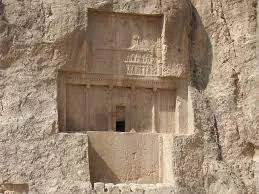
Cyrus II (576-529 BC), known as Cyrus the Great, the first king and founder of the Achaemenid dynasty. The King of Persia is known for his generosity, the foundation of human rights, the foundation of the first multi-national and major empire in the world, the liberation of his slave and his sons, respect for various religions and cultures, the spread of civilization, and so on.
The Persians called Cyrus the father and the Greeks, who had captured their territories, calling him "the Servant and the Legislator." The Jews regarded this king as being anointed by the Lord, while the Babylonians acknowledged him as Marduk.
Cyrus Charter of Human Rights
A large Cyrus cylinder, a baked pottery, was discovered in 1878, after exploring the ancient Babylonian site. In that Cyrus, he described the behavior of the Babylonians after the victory over them by the Persians.
This document is known as the "First Charter of Human Rights", and in 1971, the United Nations published it in all official languages of the organization. An example of this cylinder is held at the United Nations headquarters in New York City.