
Ralston eutropha researchers, who have developed a genetically engineered bacterial strain, have made it possible for organisms to take carbon dioxide and hydrogen from the air and transform it into chemical compound ATP (Adenosine Triphosphate), which meets the energy needs of the cells.
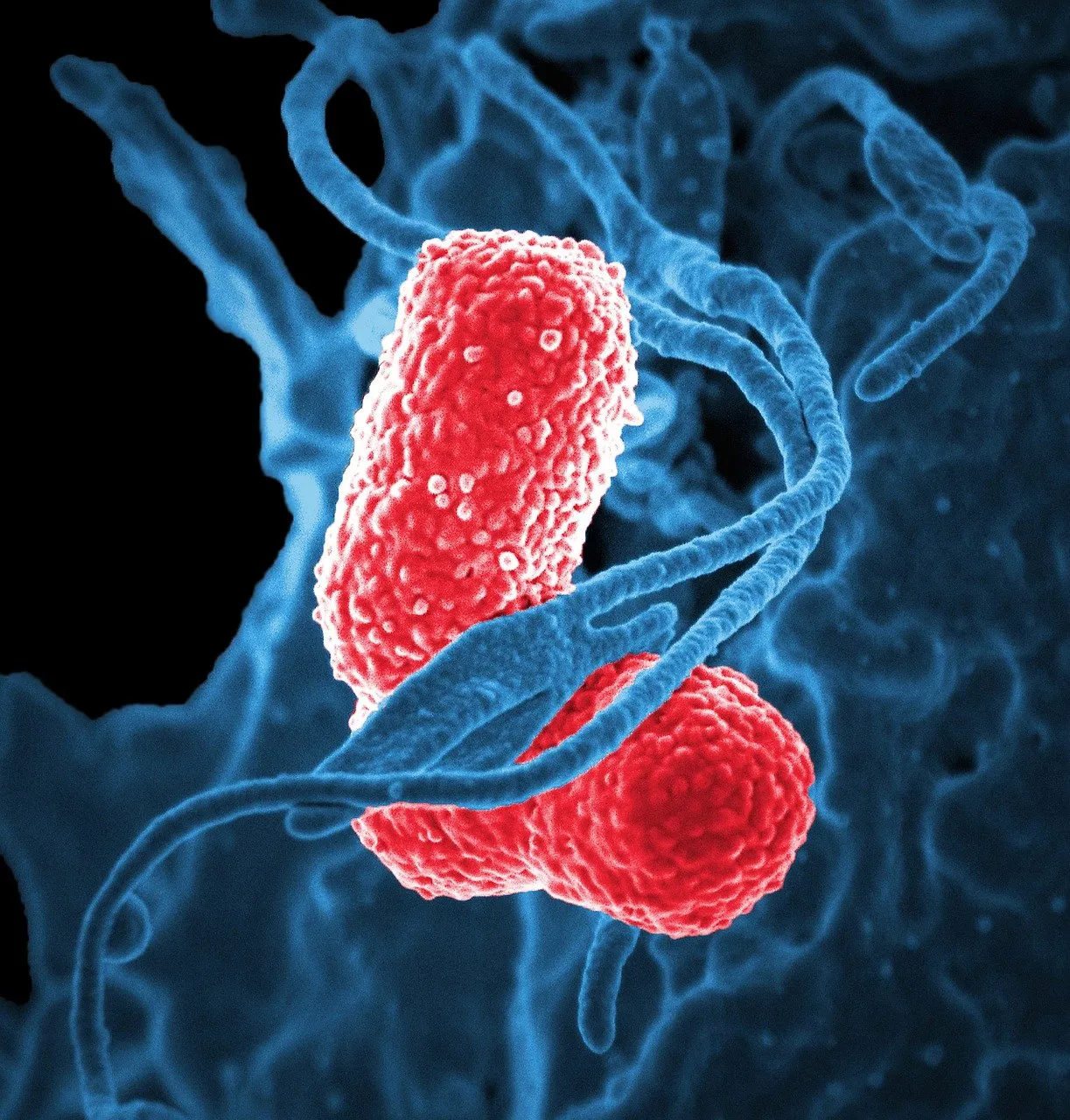
This transformation, which resembles the photosynthesis of plants and some other bacteria, was combined with the conversion of ATP to alcohol species (such as pentanol, butanol, and propanol), which was then discovered by the famous biologist Anthony Sinskey.
CAN BE SUCCESSFUL BY 10 YEARS FROM PLANTS
Nocera stated that the output obtained from the process is 6% in terms of alcohol and 10.6% in terms of biomass. To compare, green plants have a biomass output of 1 percent when they combine sunlight and carbon dioxide (photosynthesis).