
It is believed that one shouldn’t rely on signs to know that their blood pressure is rising. It is something that rarely has very noticeable symptoms so it is wise for one to keep a track of the reading, especially if it’s in the genes. However, the downside is that if it doesn’t get treated on time, there are high risks of serious problems related to the heart. In order to be able to recognise the symptoms and how to react to them, it is important to first understand what high blood pressure actually is.

What is high blood pressure?
As a general observer or as a patient, you must have seen that there are two readings of blood pressure. One is on the lower side and the other is on the higher side.
⦁ The higher number determines the blood flow rate from the heart to the body.
⦁ The lower number shows the opposite that is the resistance to blood flow through the vessels.
According to the experts, everyone should try to maintain the readings between 90/60mmHg and 120/80mmHg which are considered to be ideal readings for blood pressure.
Sometimes the readings also fluctuate and vary from person to person. However, when it starts rising from 120/80mmHg, it is time to get alert and pay attention to controlling your blood pressure. Apart from the readings, there are some signs and symptoms that can help identify the problem if it’s related to high blood pressure.
Symptoms of High Blood Pressure:
When your blood pressure rises up to a very high level, you will most likely feel a number of things like:
⦁ A severe headache:
It is the most common symptom. If your blood pressure has risen from the normal level, you will most likely feel a severe headache. This severe pain is caused due to high blood flow because of which, the heart pump rate also increases.

⦁ Fatigue:
The patient also feels fatigued and confused on an abnormal level. It is also because of the uncomfortable feeling created by a severe headache that the patient might just want to take a rest.
⦁ Unusual Vision:
Some people get affected by to such an extent that their vision becomes hazy for some time. Many people get disturbed by it not knowing the reason behind the sudden change in vision and hence confuse it with other problems.
⦁ Chest Pain:
Chest pain is also a symptom of heart attack. It refers to blockage of arteries or failure of a part of the heart. In this case, since high blood pressure is known to lead to heart attack, it should be taken as an alarm and preventive measure should be taken right away.

⦁ Irregular heartbeat:
If you have ever experienced high blood pressure, you must be aware of this one. There is pounding going on inside your body and you can feel your heartbeat loud and clear. It creates a very uncomfortable feeling in all over the body. Sometimes, this causes the ears to block out too.
⦁ Excessive Sweating:
This is the symptom that you must be aware of even as an observer. People with high blood pressure have excessive sweating and it doesn’t have anything to do with the weather. When everyone is sitting in an outdoor place, enjoying the cool breeze, that one person with high blood pressure would be found sweating excessively. Moreover, the sweat is very liquid and most of the times you would find it dripping down the face and neck.

So these are the symptoms that you need to be alert about at all times. If you are aware of your family history and very conscious about your health, it’s a good thing. To help you out further, we have listed down the factors that can cause high blood pressure.
Factors causing High Blood Pressure:
⦁ Age:
Unfortunately, this is a factor over which you have no command. The risk of high blood pressure increases with age and all you can do to help yourself is to stay fit and keep yourself away from tensions to minimise the risks.
⦁ Family history:
If there’s high blood pressure in your family history, you need to be extra careful with your lifestyle and health. Genes play a prominent role in passing on such problems.

⦁ Salt intake:
Many people ignore this factor, make sure that you don’t. High intake of salt in food automatically increases the chances of high blood pressure. To avoid high blood pressure and chances of heart attack, avoid salt and cook your food in minimum salt so that your taste is developed according to it and you don’t get used to of high intake of salt.
⦁ Lifestyle:
Adopting a healthy and active lifestyle is one of the wisest decisions because it is beneficial for your health in every way possible. An active person automatically has reduced chances of many health-related problems. So it applies here as well. Keep yourself fit by trying to work out and exercise on a daily basis.
⦁ Obesity:
Unfortunately, obesity is one of the most rapidly growing problems in the world right now. Due to introduction to technology, kids are also hooked to the screens which distract them from physical activities. So no matter what the age is, obesity is a common problem for many people right now. Being overweight and obese also increases the chances of high blood pressure.
⦁ Drinking:
Here drinking clearly refers to alcohol intake. Taking large amounts of alcohol can cause high blood pressure without you realising it.
⦁ Smoking:
Similarly, smoking is also a bad habit which increases the chances of raised blood pressure reading. In fact, smoking is a habit that is injurious to health in every way. It gives rise to a number of health problems which are serious and can not be ignored.

Trying to cater to these things can help you in maintaining normal blood pressure. If you fail to do so and become a victim of constant high blood pressure, complications start to arise and lead to many other problems.
Complications of High Blood Pressure:
⦁ Heart Attack:
The first and most important problem to mention here is the heart attack. A heart attack is caused due to blockage of an artery due to which the heart is not able to receive oxygen. As a result, that part of the heart stops working and the patient immediately feels a severe chest pain. It also causes shortness of breath and anyone undergoing such situation would feel very uncomfortable. Most people don’t realise what the symptoms are leading to and connect it with acidity or other problems. In a case of a heart attack, the patient should be immediately taken to the hospital.
⦁ Heart Failure:
Just when the heart is unable to pump enough blood needed for the body, it causes the heart failure. Since the main function of the heart is to pump blood, naturally when it's unable to do so, it will cause failure. The most common sign of heart failure is chest pain, shortness of breath and unusual swelling of legs, ankles, abdomen and veins.
⦁ Stroke:
Stroke is also a major factor that is caused due to blockage of an artery going to the brain. The most common symptoms of a stroke are paralysis attack and numbness in different areas of the body, causing one to lose the ability to speaking fluently. In some cases, there’s trouble in seeing as well.
⦁ Blood Spots:
Blood spots in the eyes can become prominent due to untreated high blood pressure.
⦁ Aneurysms:
Aneurysms refer to the formation of the unusual bulge in the arteries. This is a very dangerous condition because it grows internally without showing any signs or symptoms. The problem is identified when the damage is too high to be prevented. When the walls of the artery keep growing this mass, it starts blocking the blood flow or pressing against other organs. It gets risky when this situation is happening on a major part of the body. However, the damage is measured according to its location.
⦁ Chronic Kidney Disease:
This serious condition occurs when the blood vessels narrow down from the kidneys. This causes kidney failure.
⦁ Cognitive Changes:
It has been proved that people with higher blood pressure have show symptoms of memory loss, lack of concentration, failing to focus on one thing and finding difficulty in speech.
⦁ Vision:
Problems in vision occur when the vessels in the eyes start bleeding or as a result of choking, they burst.
All in all, high blood pressure majorly damages your arteries, the heart, the brain and the kidneys. Let's go through it in detail:
⦁ Arteries:
Arteries are designed by the creator in such a way that the inner lining is smooth to minimise any hindrance to resistance in the blood flow. Moreover, they have the characteristics of elasticity and flexibility in them making them strong to let the blood flow freely and smoothly.
How does high blood pressure affect it?
Since the inner lining of the artery is the most important part of it, once touched, it can cause major problems to it. One of them is damage to the cells of the arteries. This causes multiple blockages in the arteries not letting the blood flow smoothly. Blocking blood flow to different organs damages the organs too and hence it becomes a cycle of complications within the body. Likewise, the blockage then starts forming a bulge in the arteries which keeps growing in size and eventually it either bursts or causes other problems for other organs.
⦁ The Heart:
When blood is not allowed to flow freely in the arteries, the heart fails to perform its function of pumping blood. A blockage also causes a part of the heart to stop working because of the limited flow of oxygen.
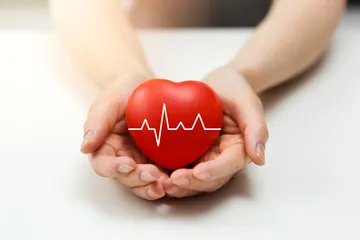
How does high blood pressure affect it?
High blood pressure is responsible for making the heart work harder because of the blockages and hindrance in blood flow. Further, the complications are increased when the left ventricle thickens causing major problems such as cardiac arrest, heart attack and sudden death due to heart failure.
⦁ The Brain:
The brain also needs nourishment in the form of blood and oxygen to be able to function properly. Stroke is caused by high blood pressure when the blood flow is limited to the brain. This is again, caused by high blood pressure. Just like the heart, when a part of the brain stops receiving blood and oxygen, the cells start to die and it causes the blood to clot.
⦁ The kidney:
The function of the kidney is to filter excessive waste from the body and cleanse it. This process is also handled by the arteries so if the arteries are not carrying out the function well, kidneys are affected too.
So now that you are aware of the signs and symptoms, along with the complications involved in high blood pressure, spread the information and keep yourself fit to stay away from such complications. Preventive measures are always helpful in the long run and people who take it seriously, know the worth of health.