

The Great Pacific Northwest is an amazing place. Millions of people visit the PNW every year from all over the world, many for the first time. The internet is filled with fantastic imagery of beautiful lush forests, 100ft waterfalls, and unmatched coastal scenery from the Pacific Northwest. Many of these visitors want to experience this beauty first hand by camping or hiking in one of these incredible places. Before you go, there are a few things for you to know before you tromp out into the Great Pacific Northwest with a backpack and a tent.
The weather is probably the biggest concern to someone who has never experienced the severe highs and lows of PNW weather. In summer starting at the base of the mountains, it can be in the 90’s, and after a 45 minute drive up the mountain you can be waist deep in snow. It can very typically change by 40 degrees within hours in the same location.
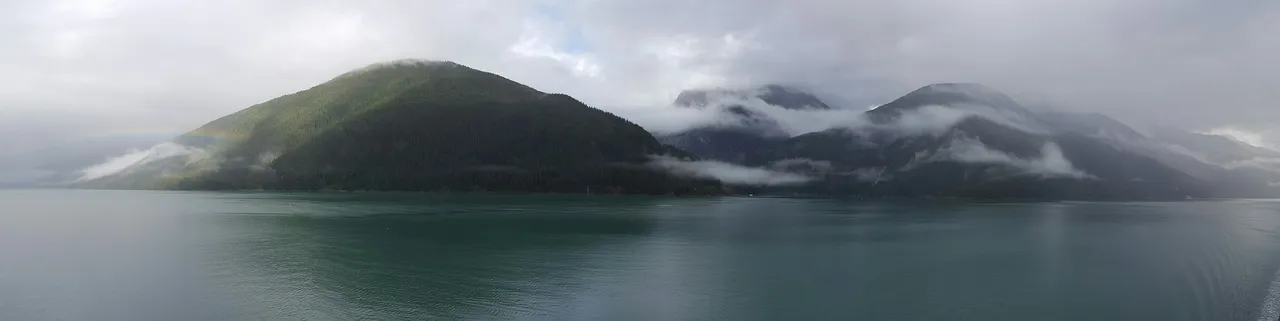
Alaska
snowy weather

The climate in the Pacific Northwest is very extreme. West of the Cascades there are areas of rainforest. East of the Cascades it’s mostly high desert. Some people may think of a rainforest as like the Amazon Rainforest, but here it’s different. This is a temperate rainforest. Other people might think of a desert as sand and cacti like the Sahara Desert. Contrary to its name, the high desert isn’t dry enough to truly qualify as a desert. The high desert receives little precipitation in the summer, and is snowy in the winter. Completely opposite of the high desert in the summer, the temperate rainforest can get up to 120in. of rain a year. Western PNW has a lot of precipitation in the winter. Coastal areas, with some areas of temperate rainforest, are even more extreme than the rest.
There are many types of flora and fauna in the Pacific Northwest. The PNW is dominated by dense forest. Whether it be coastal, alpine, or redwood, most everywhere you look you’ll find some type of forest. There is also a wide variety of berries and edible plants. A few of them are salmon berries, blackberries, and salal berries. If you do come across a wild mushroom, it’s highly recommended to never eat one, as many can be fatal if ingested. There are also quite a few poisonous plants such as poison oak and cow parsnip. Some, like poison oak and stinging nettle, can cause a very painful and itchy rash if touched.
alpine forest
black berries


Wildlife in the PNW is very abundant. There is certainly no shortage of large mammals here, such as deer and elk. There are also bears, wolves, and cougars to watch out for, but the chances of having an encounter are slim because they are very elusive. Black bears are Oregon and California’s only remaining bear species. You’ll find brown bears from Washington to Alaska. Bear safety is very important. It’s recommended to carry a bear bell and bear spray when you’re in the outdoors in the PNW. The last thing you want to do in the PNW is surprise a bear. Many people visit the PNW from all over the world for its magnificent birdwatching. Fishing is also a very popular sport in the Pacific Northwest. There are many species of fish here including salmon, trout, and largemouth and smallmouth bass.
black bear


Campgrounds and lodges are usually full in the summer so you might want to make reservations, sometimes up to a year in advance for popular destinations. Some though, are the fullest in the winter such as ski lodges like Timberline Lodge. See a great post about Timberline Lodge from 
I hope you found this post helpful, and if you have any experiences to share or questions, please comment below. I would love to hear them!
Be sure to watch out for my next post, The Ultimate Guide to Camping in the Pacific Northwest: 2. Equipment and Gear to Bring When Camping in the Pacific Northwest!