

Mushrooms touch our lives on a regular basis and are eaten and enjoyed by the majority of diners around the world. Yet even though most of the mushroom species might seem delicious, some could be potentially fatal if eaten.
Some people are unable to tolerate these toxic mushrooms and develop allergic reactions, and the consumption of other types can even lead to death. Though the list of mushrooms with proven, consistent toxicity is small, we must know in advance which ones to avoid to prevent “mycetism”, that is mushroom poisoning.
One estimate I read puts the number of cases of mushroom poisonings at between 6-7,000 cases a year in the USA alone. Whilst the fatality rate is a fraction of a percent many do experience serious poisoning symptoms. Many of these cases are children but there are plenty involving adults, and in extreme cases entire families have been poisoned.
In total there are about 30 species of mushroom that have proven consistently fatal to humans, many of which are related. In addition there are a further 20 that have on occasions been known to cause death. The list below includes those responsible for killing the most people or with the greatest potential to do harm.

-False Morel:

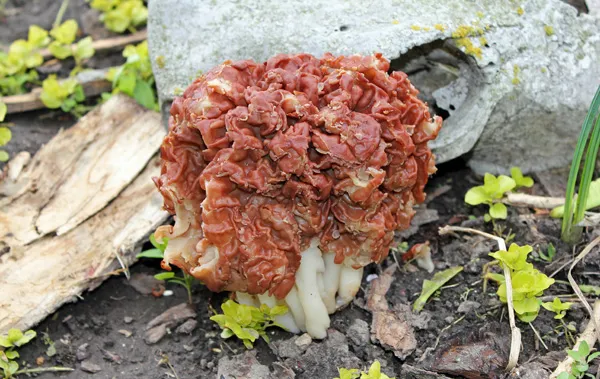
This brain-like piece is a False Morel in the genus Gyromitra. There are several fungi in this genus and all are called false mortals. They also carry by many other common names, such as red morel, beefsteak, cerebral mushroom, mushroom and redheads.
They have well developed stems, and their strange caps are usually reddish-brown to yellowish-brown. When opened, they are not completely hollow - and this is the best way to distinguish them from hollow mushrooms.
Many people eat these mushrooms without harmful effects, but studies show that others have serious reactions to the consumption of these fungi and in some cases, death could result. Other reactions to the consumption of these fungi could be dizziness, nausea and coordination problems. In southern Missouri, they are regularly eaten with yellow morels and are considered quite tasty. Perhaps some people have accumulated immunity against toxins in these fungi. Maybe they're just lucky. Perhaps their bodies are capable of consuming them and not suffering for it. I do not want to risk it. Rather, I would like to agree on the side of caution and live another day ... or at least not spend days harmful effects of a potentially toxic fungus.
This blob-like, brain-like, fungus is a False Morel in the genus Gyromitra. There are several mushrooms within this genus and all are referred to as false morels. They also go by many other common names, such as Red morel, beefsteak, brain mushroom, glob mushroom, and redheads.
They have well developed stems, and their oddly shaped caps are generally reddish brown to yellowish brown. When sliced open, they are not completely hollow--and this is the best way to distinguish them from the morels, which are hollow.
Many people eat these mushrooms with no ill effects, but studies are showing that others have severe reactions to eating these mushrooms, and in some cases death could result. Other reactions to consuming these mushrooms could be dizziness, nausea, and coordination problems. In southern Missouri these are eaten regularly with Yellow Morels and are considered quite tasty. Perhaps certain people have built up immunities to the toxins within these mushrooms. Perhaps they are just lucky. Perhaps their bodies are just able to consume them and not suffer for it. I for one would not want to chance it. I would rather err on the side of caution and live another day...or at the very least, not spend days suffering ill effects from a potentially poisonous mushroom.

-Destroying Angel // Angel Wing (Pleurocybella porrigens):


A white-gilled and almost oval mushroom, the destroying angel is the most common toxic mushroom around the world. It contains amatoxins, responsible for fatal mushroom poisoning, as death caps do. The damage starts with the destruction of the liver and kidney tissue within a couple of hours after consumption, leading to death.
Mushrooming is considered a healthy hobby as one gets out into nature. Eating mushrooms adds flavor and richness to our food. But to enjoy the meal, you must remember to “never eat a mushroom unless you are 100% certain of the identification.”
The angel wing was at one time considered edible and it seems that for many years there were no reported poisonings from eating it. That changed in 2004 when nearly 60 people became ill after eating them across Japan. Out of these 17 died during the following six weeks.
In a further case in 2009 a 65-year-old man died of encephalopathy (brain disease) after eating angel wings. It is worth pointing out that many of those who died had pre-existing kidney or liver problems.
The mode of toxicity isn’t well understood in this fungus but a unique amino acid has been identified that kills the brain cells of lab animals. It is also possible that the fungus contains elevated levels of cyanide.
- Podostroma Cornu-damae:


This rare fungus is native to Asia and has been responsible for a number of fatalities in Japan and Korea. Its red fruiting bodies contain potent toxins known as trichothecene mycotoxins and can cause multiple organ failure in those unlucky enough to consume them. Symptoms of poisoning include stomach pain, peeling skin, hair loss, low blood pressure, liver necrosis, acute kidney failure, and result in death if left untreated.
Podostroma cornu-damae is a rare fungus that houses a fatal toxin in its fruit body.
-Fly Agaric (Amanita muscaria):

The fly agaric is the iconic toadstool of children’s fairy tales. Instantly recognisable with its bright red cap and white spots you would have to be an idiot to eat one of these! Or a child or pet. Whilst you can imagine why a kid may eat one of these it is less clear why dogs (and occasionally cats) seem to have a taste for them. Unfortunately fly agaric is even more poisonous to these animals and invariably lethal.

The main toxic agents in Amanita muscaria are muscimol and ibotenic acid. These act on the central nervous system causing loss of coordination, alternating agitation and sleep, nausea and in some cases hallucinations. The effects kick in after around one hour but are rarely fatal. One of the biggest risks is due to the crazy behaviour exhibited when intoxicated. Something that didn’t escape the ancients who used these in rituals.
. Deadly Conocybe:


This mushroom is commonly found on lawns and is native to the Pacific Northwest region of the US. Whilst it doesn’t look immediately inviting as a snack its appearance in gardens brings it into closer proximity with people than many other mushrooms.
The other factor in accidental poisoning with this mushroom is the alleged similar appearance to the Psilocybes mushroom, also known as magic mushrooms. However, taking one of these could lead to the mother of all bad trips.
This fungus is known to contain the particularly deadly amatoxin which if ingested can cause irreparable liver damage.
Deadly conocybe is the name for a type of mushrooms that have conical caps and rusty brown gills. Also known as Pholiotina filaris, these are widely distributed in America’s Pacific Northwest. Often mistaken for the similar looking Psilocybe, these common lawn mushrooms contain deadly mycotoxins which could lead to death when eaten.
-Death Cap (Amanita phalloides):

The death cap is one of the most poisonous mushrooms in the northern hemisphere. It grows throughout the entire temperate zone of Europe, Asia and North Africa. It was carried (probably with tree seedlings) to North America and Australia. This amanita is responsible for most mushroom poisonings, and even small doses can be very dangerous. Resistance to the poison varies among individuals, so specifying a fatal dose is difficult. The poison - amanitin, damages the liver and kidneys. Initial symptoms occur 8 to 48 hours after ingestion. In this phase, the person experiences fatigue, stomach nausea, dizziness, headaches and feelings of cold, even freezing. The nausea intensifies, stomach aches occur, accompanied by strong retching and watery diarrhea, leading to dehydration, and eventual circulatory failure. This is usually the immediate cause of death in children. If the patient survives this phase, his condition appears to improve (usually the fourth day after ingestion). In the second phase, the kidneys fail, and sometimes the liver as well. Death usually occurs four to twelve days after ingestion


-source: https://www.britannica.com/list/7-of-the-worlds-most-poisonous-mushrooms