
Many people think dentists and orthodontists are the same, but they are two very different types of dental professionals. Both help keep your mouth healthy, yet their roles, training, and treatments are not the same. If you are considering orthodontic treatment services, it’s important to understand who does what, so you can choose the right professional for your needs. This blog explains the difference in simple terms to help you make the best decision for your smile.
What Does a Dentist Do? Orthodontic Treatment Services vs General Dental Care
A dentist is usually the first professional you visit for your oral health. Dentists handle everyday problems such as cavities, gum disease, tooth pain, and infections. They also provide services like cleanings, fillings, crowns, root canals, and extractions. Their focus is on keeping your teeth and gums healthy overall.
Some dentists may offer limited orthodontic treatment services such as simple braces or clear aligners for mild issues. However, their training does not go as deep into tooth movement and bite correction as an orthodontist’s does. For complex alignment or bite problems, a specialist is usually the best choice.
What Is an Orthodontist? Orthodontic Treatment Services and Specialist Care
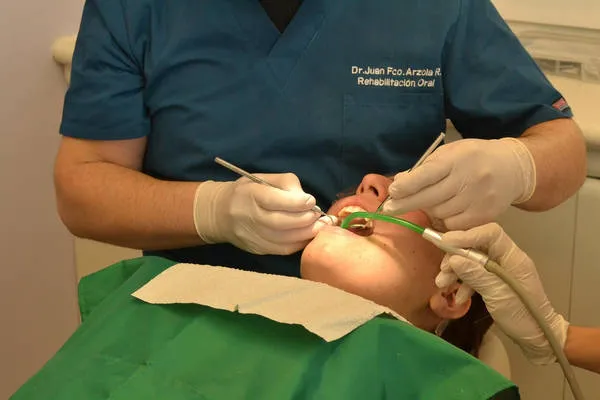
An orthodontist is a dentist who has completed extra years of specialist training after dental school. This advanced training focuses on tooth movement, jaw alignment, and correcting bite issues. Orthodontists diagnose and treat crowded teeth, gaps, overbites, underbites, and other alignment problems.
They provide orthodontic treatment services such as braces, clear aligners, retainers, and appliances that guide jaw growth in children. Their goal is not just to improve appearance but also to make teeth fit and function properly. When you want a long-term solution for straightening teeth and correcting your bite, an orthodontist is the expert to see.
Training and Skills: Orthodontic Treatment Services Perspective
Both dentists and orthodontists attend dental school, but orthodontists take an additional two to three years of specialist training in orthodontics. During this time, they learn advanced techniques for moving teeth, managing jaw growth, and correcting complex bite problems.
While dentists may complete short orthodontic courses, they do not receive the same depth of education. This makes orthodontists more qualified to handle challenging cases. If you need orthodontic treatment services for significant misalignment, choosing a specialist ensures safer and more predictable results.
Treatments Offered: Orthodontic Treatment Services by Dentists and Orthodontists
Dentists mainly focus on preventive and restorative care, such as fillings, crowns, and cosmetic procedures like teeth whitening. Some may offer simple orthodontic treatment services, but usually only for mild alignment issues.
Orthodontists, on the other hand, offer the full range of alignment solutions. These include traditional braces, ceramic braces, lingual braces placed behind the teeth, clear aligners, and appliances to guide jaw growth in children. They also manage more complex conditions such as severe crowding, open bites, crossbites, and cases requiring surgical orthodontics.
When to See an Orthodontist for Orthodontic Treatment Services
You may need to see an orthodontist if your teeth are crowded, widely spaced, or don’t meet correctly when you bite. Other signs include difficulty chewing, jaw pain or clicking, speech issues, or problems related to jaw structure.
Many people also choose orthodontic treatment services for cosmetic reasons, since a straighter smile boosts confidence and makes oral hygiene easier. Dentists often refer patients to orthodontists when they notice problems beyond routine care. Early evaluation, recommended around age seven, can also detect and correct issues more easily.
Cost, Time and Care: What to Expect from Orthodontic Treatment Services
Orthodontic treatment services typically take longer and cost more than general dental care because they require custom devices and regular adjustments. Treatment may last from a few months for minor corrections to two or three years for complex cases.
Costs vary depending on the appliance used and the difficulty of the case, but many clinics offer flexible payment plans. While the investment of time and money may seem high, the long-term benefits of improved oral health, function, and appearance make it worthwhile.
Choosing Between a Dentist and an Orthodontist for Orthodontic Treatment Services
When deciding between a dentist and an orthodontist, consider the complexity of your case. Mild alignment issues may be managed by a dentist offering clear aligners, but moderate to severe problems are best handled by an orthodontist.
Ask about their experience, see before-and-after results, and understand the expected treatment timeline. A qualified orthodontist will explain the process clearly and help you feel confident about your care.
Final Thoughts on Orthodontic Treatment Services
Dentists and orthodontists both play important roles in keeping your smile healthy, but their expertise differs. Dentists manage overall oral health and common dental problems, while orthodontists specialize in moving teeth and correcting bites through advanced orthodontic treatment services.
If you’re unsure which professional you need, start with a dentist for an initial exam. They can treat basic issues or refer you to an orthodontist if specialist care is necessary. For expert orthodontic treatment services that combine experience, technology, and patient-focused care, Simply Ortho is here to help you achieve the confident smile you deserve.