

In the pharmaceutical sector, the rules and regulations require cleaning operations to contain laboratory assessments to test the sanitation and hygiene of the production.
The Pharmaceutical sector sets notably high standards in maintaining the quality and efficiency of products because compromising on either will cost them their clients and the future of their brand.
A few consequences of a pest and bird infestation within a pharmaceutical industry are, damage of goods and products, loss of the client's trust, loss of time and money in production, claims of compensation by those affected with faulty products, loss in revenues, and legal action by public health authorities.
To avoid this, it is essential to prevent and control insects, rodents, birds, or pests from invading your industry.
The experience of dealing with various types of pharmaceutical infestations in the past has given experts an insight into the 5 common pests that disrupt the pharmaceutical business, effective pest and bird control solution as well as prevention methods.
Flies:

If your pharmaceutical building attracts flies and provides flies with the space to breed, then you will find them almost everywhere.
Common risks caused by flies:
Flies are known to feed on faeces, rotten matter, and stored food products and can be found flying around decomposed matter. Due to this very reason, flies are known to carry with them at least 100 pathogens that can cause various harmful diseases when passed on to clean machinery, products, or objects.
3 ways to Control & Prevent Fly Infestation:
Garbage and food should be disposed of regularly and efficiently away from the pharmaceutical building. The drainage systems and sewers should be cleared from accumulation of any organic waste.
It is necessary to seal any entry and exit points in the building, which includes using appropriate designs like fly screens for the windows, vents, and drains as well as using efficient external doors for your pharmaceutical building.
Insect light traps are designed with innovative LED technology to attract, kill, and capture insects hygienically, eliminating them from contaminating your pharmaceutical building.
Cockroaches:
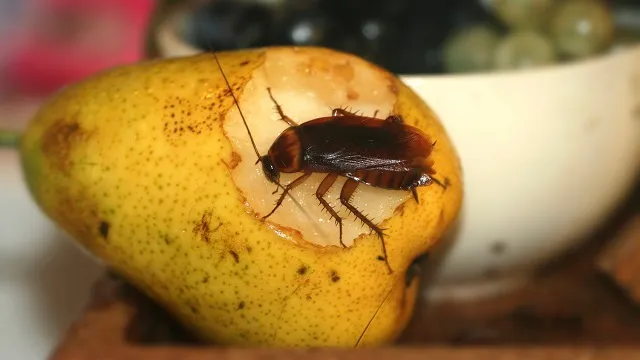
Being small in size, enables them to hide inside cracks, machines, and under storage shelves. Because they are nocturnal, they hide during the day and only come out during the night in search of food and shelter, which makes it even harder to find and eliminate them.
Dangers caused by Cockroaches:
Cockroaches are known to feed on rotten food items, faeces, and decaying matter in sewers. Therefore, they can easily come in contact with various diseases such as E Coli, Salmonella, Listeria, and Staphylococcus.
Cockroach droppings and secretions are known to stain and render a foul odor that can be transmitted to your products and are also known to carry allergens which could trigger an asthma attack.
Cockroach Infestation Control & Prevention:
Store your products and food in air-tight containers rather than using cardboard or paper because cockroaches feed on cardboard objects.
Efficiently removing waste collected in the production area and placing garbage containers away from the premises will aid in making your building an undesirable location to cockroaches.
Regularly conducting a thorough and good inspection of your pharmaceutical building, equipment, surrounds and products for cockroaches will help identify an infestation.
There are a variety of cockroach control treatments available, however, it is essential to know which type of cockroach control treatment is eligible for use within the pharmaceutical sector and it should only be carried out by a trained expert to avoid any adverse effects.
Rodents:

Rodents pose as a serious threat to the pharmaceutical industry due to the amount of damage they cause to the products as well as the buildings.
Dangers caused by Rodents:
Besides transferring a vast amount of diseases, rodents are known to damage the internal structure of the building by gnawing on electrical wires as well as chewing on the product itself! Rodent urine and droppings are known to be very dangerous and can easily contaminate your goods.
Rodent Control & Prevention:
- Sealing off entry and exit points, eliminating any food, shelter, and water sources, and using efficient rodent traps and rodent poison can aid in eliminating and controlling them. It is essential to use poisons and traps that are eligible by the pharmaceutical standards and should be placed only by an expert.
Birds:

Pharmaceutical buildings are usually common spots for birds such as sparrows, seagulls, and pigeons to nest.
Bird Infestation Problems
Birds too are a carrier of diseases. Bird droppings, bird feathers and nesting material can contaminate the products and equipment as well as it could block the drainage points. Bird droppings are also known to render a foul odor inside the building.
In a few cases, birds can also cause physical damage to humans due to dislodging the roof while entering and exiting the building.
Effective Bird Control & Prevention:
- Preventing the bird’s access to water, food, and shelter, eliminating any bird nests found within and in the surroundings of the pharmaceutical building, and preventing and controlling the access of birds to flat roofs, balconies, ledges, etc. all aid in preventing and controlling birds from infesting your building.
Stored Product Pests:

Moths, beetles, weevils and mites (i.e. stored product pests) are known to contaminate edible pharmaceutical ingredients such as starch, sugar and natural herbal ingredients.
Risks Caused by Stored Product Pests:
Stored product pests are known to contaminate sterile ingredients with their microorganisms which can also change the physical and chemical properties of the ingredients. These product insects can also enter cardboard, plastic, foil, and cellophane packaged products through entry points that can’t be seen by the naked eye.
Product Pests Control & Prevention:
- The only way to eliminate and control these insects and prevent them from contaminating your products is by using glue traps having species-specific pheromone bait, pheromone traps, heat treatments, and fumigation.
Now that you are aware of the different types of pests and birds infesting the pharmaceutical sectors, it is essential to regularly check for any signs and take precautionary control measures to prevent any insect, rodent or bird invasion in the future.
About the Author: Muzi Tsolakis is the owner of Protech Pest Control, Australia. With a team of certified professionals and using state-of-the-art technology, Protech Pest control is a preferred name for commercial pest control and mouse control.