

Terrorism: The Evolving Definition
There is an unfortunate distortion in the last several years in the use of the word, "Terrorism". It continues to be associated with acts of violence that are either random, unexplained, or targeted towards groups of people. While acts of violence upon seemingly innocent civilians is abhorrent and unacceptable, rarely are these acts actually "terrorism" by definition.
Terrorism is an act of violence perpetrated on non-military/police personnel or civilian structures with the purpose of creating political or policy change. A pissed off employee, unhappy with his recent termination that shows up at his former workplace with a rifle and starts shooting is not "terrorism". It is murder or attempted murder. Addtionally, a radicalized religious fanatic that decides to kill "infidels" is not necessarily a terrorist either, but rather someone that has for one reason or another decided that killing "non-believers" somehow endows him/herself to some future benefits in the after-life from his/her chosen God.
But Jerry, who really cares and why is this important? The answer is: because words matter. We give words meanings so that we can comprehend, utilize and respond to them appropriately. If we continue to define most acts of apparently senseless violence as terrorism, then we diminish our ability to eradicate the people or organizations that are truly trying to undermine the political establishments that we have created.
Assigning such a broad scope of violence the term "terrorism" then allows enforcement of policies to combat terrorism an equally broad scope of powers. In the U.S. we have seen our various national security agencies and forces given "Carte Blanche" in combatting "terrorism" both domestically and abroad. Whenever actions are taken by these agencies that appear reprehensible in nature and are often a violation of our own laws, these agencies cry "War on Terror" and are absolved of culpability. Think Guantanamo. This has become a slippery slope in which the U.S. and its allies continue to perpetrate crimes under international and even U.S. law with impunity under the guise of "anti-terrorist" operations.
Motive Matters
There is a monumental difference between the idiot who shoots up a school and a woman who executes her rapists. They are both murderers, but the circumstances are significantly different and so are the ways in which society needs to address the incidents with potential solutions.
We need to understand the goal behind acts of violence before we randomly assign the word "terrorism" to tragedies. I'm not saying that we should reduce our vigilance in attempting to stop such acts of violence, but we do need to keep perspective in the process.
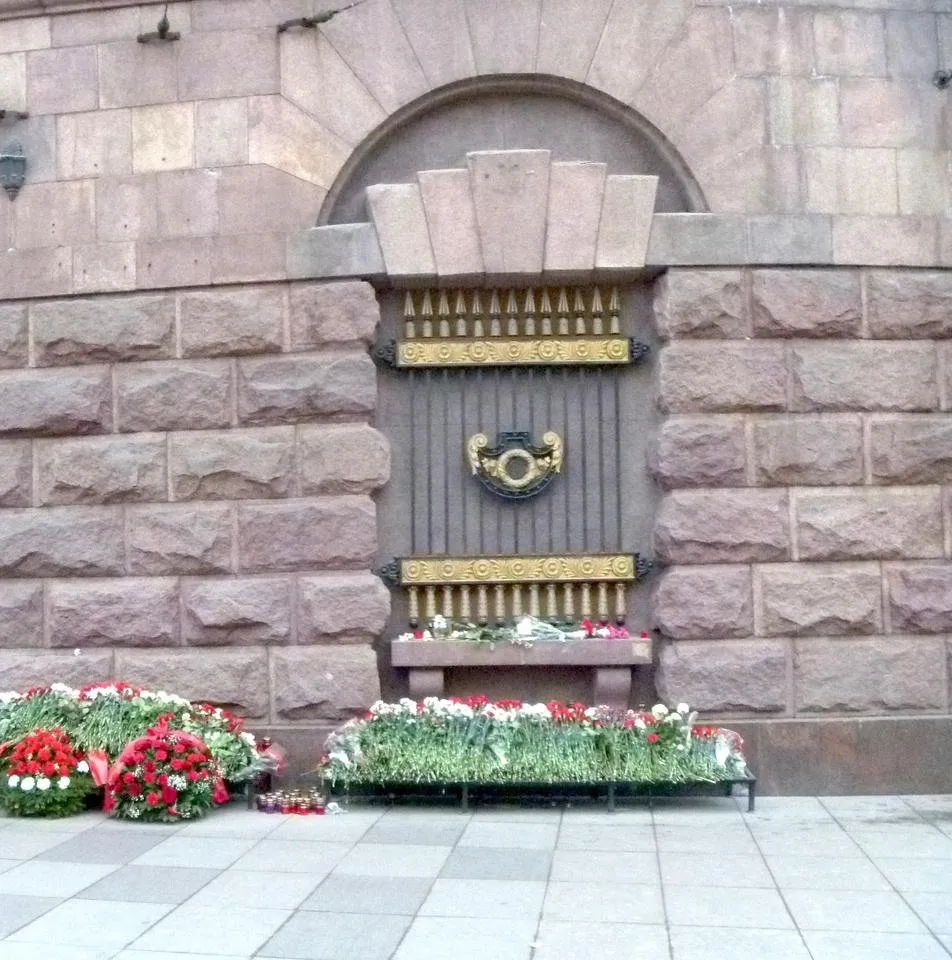
Case in point: One year ago, I was having coffee with a business associate in St. Petersburg when a man blew himself up on a train in the Metro not 1 mile from where I sat. This individual killed himself and 14 others and injured over 50 people. It was random, unannounced and horrific. The dead and injured didn't know the man and there remains no obvious reason for his actions.
However, the incident has been classified as a terror attack. Why? Because the man was a Muslim from a Central Asian country and had visited some Islamic sites. No proven association with any terror groups has been presented and he made no statements before his act of violence. He had been in Russia for 5 years and had worked as a mechanic.
Is there a chance that he had become radicalized by extremist groups that might want to change Russian policy in Syria or some other region? Sure, but there were no demands made in the aftermath, and yet somehow Al Queda gets credit. If he wanted to make a political statement, then why not leave something with such a statement - a note, a post on social media, an email to a media outlet? Were there political motivations? If so, what were they. It is also completely possible that he didn't even know he was carrying a bomb and was setup by some unknown person or group. Who would want to do that? The list is endless. The Russian government itself, the U.S. or it's allies, some extremist group that couldn't find volunteer suicide bombers, etc.
Conclusion - More Questions and More Answers
If we are truly concerned about acts of terror, then societies must find more inclusive ways to ask questions and verify answers. Independent commissions populated by citizen groups and media representatives are rarely used anymore and yet we know that they are more effective. Instead, we just trust the security services to inform us of what they have concluded. Often these are the same services that failed to prevent the tragedies to begin with. If you would like to see another textbook example, Google "Skripal" and let me know if you still trust the authorities to accurately inform us without any oversight.

Like this article? Please resteem, upvote and comment.
Don't like it? Comment and tell me why. Let's discuss it.
All intelligent comments get an upvote for effort (even if I disagree).
Send me a copy of one of your posts and I will try to read it quickly.
Photos are mine.
Follow me on:
Facebook - https://www.facebook.com/jr.byers.58
VK - https://vk.com/id185155240
Discord - EnergyAddict#9726

