
Hello friends, today I bring you an interesting post: we're going to travel to Lisbon and visit the famous "Palacio Pimenta" Museum, a listed building of public interest since 1936. For just 5 euros per adult, you can take a journey through the history and culture of Portugal, starting with the country's first inhabitants in the Iron Age and continuing through the post-medieval era. Finally, we'll admire beautiful tiles from the early 18th century.🚙🚩
Hola amigos, hoy les traigo un post interesante y es que vamos a viajar hacia Lisboa y conoceremos el famoso Museo: "Palacio Pimenta" un local de interes publico clasificado en 1936 y que por tan solo 5euros por adulto, podras realizar un viaje en la historia y cultura de Portugal, comenzaras por los primeros pobladores del pais en la epoca de hierro hasta la era post medieval, por ultimo disfrutaremos de hermosos azulejos de principios del siglo XVIII<🌄👩🏻🦯/div>

Where is the museum?🌍🚙/ Donde se encuentra el museo?📍🧭

Coordinates: 38.758559, -9.156708📍🌍/ Coordenadas: 38.758559, -9.156708📸

Here are the coordinates for the palace, and let me tell you, it's an interesting visit if you're on vacation in central Lisbon. You can get there in different ways, from public transport like the subway or buses. Next door is the famous Campo Grande transport station, which is in front of Sporting Lisbon's stadium. You could take the opportunity to visit both places. The entrance fee to the museum is 5 euros.🧭🌏
Aqui te dejo las coordenadas de donde se ubica el palacio y dejame decirte que es una visita interesante si estas de vacaciones en el centro de Lisboa, para llegar aqui lo haces de diferentes formas, desde transporte publico como el metro subterraneo o autobuses, al lado tienes la famosa estacion de transporte campo grande que esta en frente del estadio Sporting de Lisboa, podrias aprovechar y visitar ambos sitios, la entrada al museo son 5 euros.🖼️🎨


The site has been classified as a property of public interest since December 1936. The "Lisbon Museum" is housed within the palace, which was built in the early 18th century between 1734 and 1746. It was commissioned by Sousa Mexia, a prominent figure during the reigns of Kings Pedro II and João V in Portugal; however, historical records apparently do not credit him as the architect of the palace.🎫
El sitio esta clasificado como inmueble de interes publico desde diciembre del ano 1936 el "museo de Lisboa" esta instalado dentro del palacio, fue construido en principios del siglo XVIII entre los anos 1734-1746 y quien lo manda a construir fue Sousa Mexia, este personaje se destaco cuando Portugal fue reinado por los reyes D. Pedro II y João V; lo que aparentemente en registros historicos no se le concedio la autoria del palacio.🎨
https://pt.wikipedia.org/wiki/Pal%C3%A1cio_Pimenta
A quick stop at Sporting Lisbon's stadium🌍🚙/ Una parada rapida al estadio de Sporting de Lisboa📍🧭


I want to take this opportunity to show you my new content on YouTube. We've already visited the two main stadiums in Lisbon, and I'm highlighting this one because it's less than 2km from the museum, so if you plan ahead, you could experience it for an hour for only 24.90 euros and learn more about Portuguese sporting culture.🕋🚙
Quiero aprovechar en mostrarle mi nuevo contenido en YOUTUBE, ya visitamos los dos principales estadios de Lisboa, y este lo resalto porque esta a menos de 2km del museo por tanto si te organizas podrias vivir la experiencia de una hora por solo 24.90 euros y asi conocer mas la cultura deportiva Portuguesa.🏟️🏟️


* SUSCRIBETE A MI CANAL, VE ALGUNO DE LOS VIDEOS COMPLETO, DEJA UN COMENTARIO Y UN LIKE Y TU NOMBRE DE USUARIO DE HIVE PARA DEJARTE UN OBSEQUIO SORPRESA🤑
* Subscribe to my channel, watch one of the videos in full, leave a comment and a like, and your Hive username to receive a surprise gift🤑
Prehistory and first settlers🌍🏞️/ Prehistoria y primeros pobladores📍🧭


The first inhabitants, who were not the species we are today, arrived here as nomads in small groups between 10,000 BC and the Bronze Age in 800 BC. There is much evidence of different types of tools used by primitive and more modern humans for hunting, rituals, warfare, and other purposes! The Lisbon area was settled near the rivers that irrigate the capital and its surroundings. Therefore, we conclude that the Tagus River was the main tributary that provided unlimited resources to all these prehistoric settlements, which at some point inhabited caves and later went on to build small structures.🌄🧭
los primeros pobladores quienes no eran la especie que somos hoy en dia, llegaron aqui como nomadas y en pequenos grupos entre el 10,000 a.C hasta la era de bronce en el 800 a.C, existe mucha evidencia de diferentes tipos de herramientas que utilizaron los hombres primitivos y mas modernos para la caza, rituales, guerra entre otros! la zona de Lisboa fue ocupada en las cercanias de los rios que irrigan la capital y los alrededores, por tanto concluimos que el "Tejo" fue el principal afluente que proporciono recursos ilimitados a todas estas ocupaciones prehistoricas, que en algun momento habitaron en cavernas y luego pasaron a construir pequenas edificaciones.🏔️🌏

Roman Era🌍🏞️/ Epoca Romana📍🧭


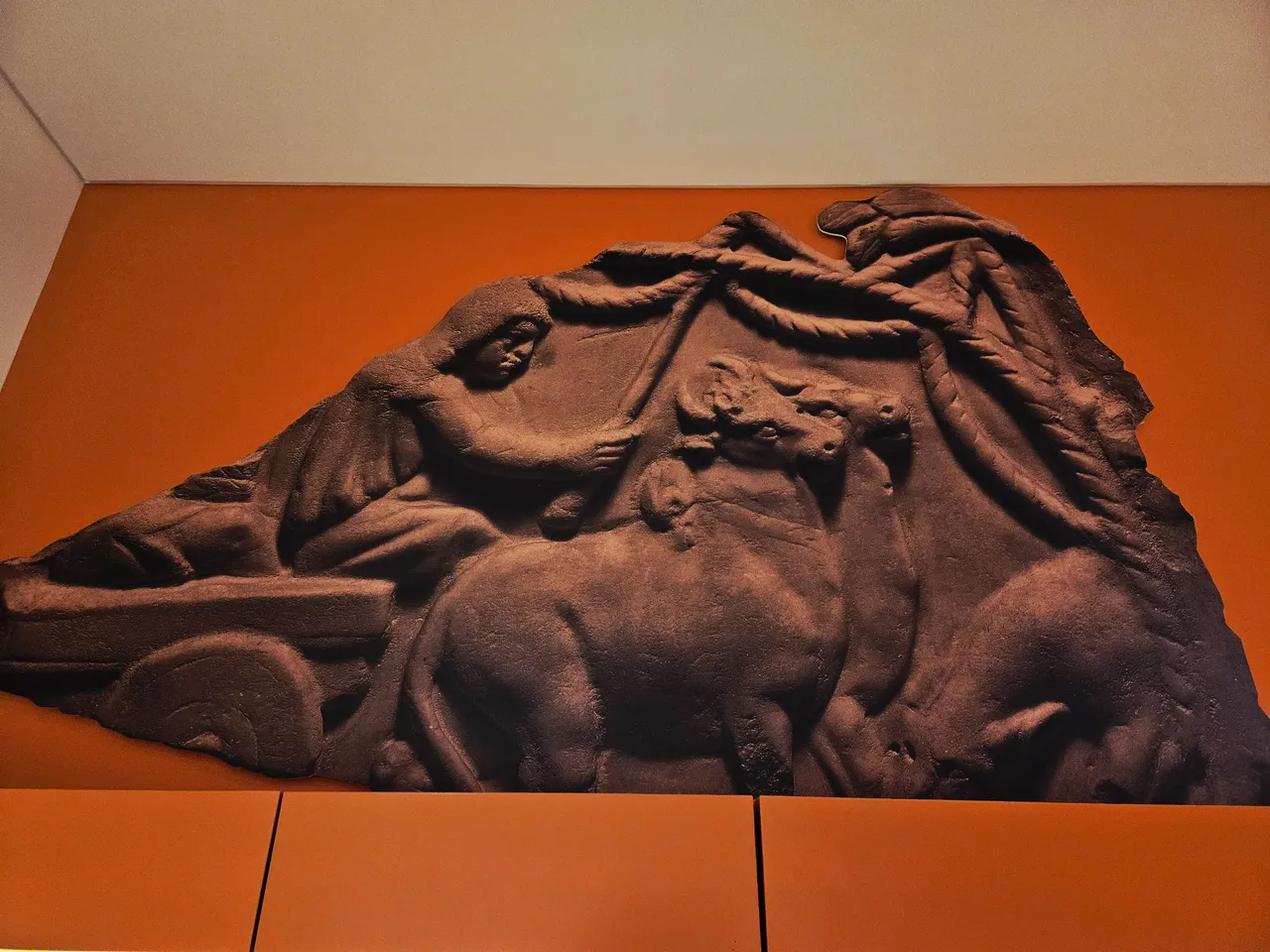


The Romans have always been seen as a slave-owning civilization, ruthless when conquering lands, and to a certain extent, this is true. However, if we delve into their history, they were one of the few civilizations, along with the Egyptians, that allowed Jews to preserve their religion and live alongside them with freedom of expression. For example, the Spanish and Portuguese forced many conquered lands to practice Catholicism almost compulsorily, and I emphasize this point because the Romans made Lisbon grow exponentially and brought much technology that, when lost in the medieval era, plunged society into darkness due to the poor sanitation that the Romans had prioritized.🚙🚩
Los Romanos siempre fueron vistos como una civilizacion esclavista que eran despiadados al momento de tomar alguna tierra ocupada, y en cierto punto de la historia es correcto sin embargo, si leemos un poco de historias eran una de las pocas civilizaciones junto con los egipcios que permitieron a los Judios a preservar su religion y vivieron con ellos con una libertad de expresion, por ejemplo los Espanoles y Portugueses forzaron muchas tierras conquistadas a practicar el catolicismo casi de forma obligatoria, y hago mucho enfasis en esto porque los Romanos hicieron crecer Lisboa de forma exponencial, y trayeron mucha tecnologia que cuando se pierde en la era medieval la sociedad paso por penumbras a la poca salubridad que los romanos si le dieron importancia.🧭🌍

The Romans arrived in Portugal at the end of the 3rd millennium BC, and inhabited it until the 5th century AD. They named the region Lusitania and the Iberian Peninsula Hispania. During that time, they practically occupied all of Portugal and created a very advanced system of roads and transport for the time. Their stone roads connected Portugal and Spain for the trade of products.🌏🚙
Los Romanos llegaron a Portugal en el siglo finales del III milenio antes de Cristo, y lo habitaron hasta el siglo V despues de cristo, bautizaron la region como Lusitania y nombrarian la peninsula hiberica como hispania, en todo ese tiempo practicamente ocuparon todo Portugal y crearon un sistema de vias y transporte muy avanzado para la epoca, sus calzadas de piedra comunicaron portugal y espana para el comercio de productos.🧔🏻♂️👨🏻🏫
Arab Occupation🌍🏞️/ Ocupacion Arabe📍🧭


the reconquests⛰️🚩
The Moors arrived in Portugal at the beginning of the 18th century and remained there until the 11th century. They acquired rich, fertile, unoccupied lands and settled there with their culture. But I ask you, why didn't Portugal learn their language? Why didn't they adopt their religion or customs? I think you can answer that yourself, but history tells us that Moorish and Western cultures are not very compatible, and that's exactly what happened in Portugal. When we entered the era of the Reconquista and reclaimed our territories, the Arabs were expelled from the entire country, and their presence was practically erased! All thanks to Henry the Conqueror and his Templar troops, who Christianized our people and restored the "official" religion, which remains so to this day.🌍📍
Los Moros llegaron a Portugal en principios del siglo XVIII y estuvieron alli hasta el siglo XI consiguieron unas tierras ricas y fertiles desocupadas y alli se establecieron con su cultura, pero te pregunto? por que Portugal no aprendio la lengua? porque no practico la religion? las costumbres? creo que tu mismo puedes responder eso pero la historia nos dice que Los Moros y los Occidentales no son culturas muy compatibles, y fue exactamente lo que ocurrio en Portugal, cuando entramos en la era de las reconquistas y tomamos nuestros territorios se expulsaron a los Arabes de todo el pais y practicamente se borro su ocupacion! todo gracias a Henrique el conquistador y sus tropas templarias que cristianizarian nuestro pueblo y restauraria la religion "oficial hasta nuestros tiempos".🗺️🚩
Medieval and discoveries🌍🏞️/ Medieval y descubrimientos📍🧭


Europe experienced an economic boom during the Age of Discovery, and we now have an idea of why Spain and Portugal dominated the world during this time. Sadly, the slave trade allowed many families and even kings to profit from this business! But it wasn't all bad; Christianization also brought technological and religious advancements to the world. I always use the example of why Venezuela, despite hating the Spanish so much after independence, didn't return to its roots. Why did we remain with our Latin roots? Why didn't we return to our ancient polytheism? The same thing happened with Brazil, which adopted Portuguese as its primary language. Something tells us that, in a way, we adapted to something we ended up liking! That's my opinion... and because of this adaptation, there are thousands or millions of Spanish speakers emigrating to Europe, occupying countries hated for enslaving them! It was always a win-win situation!🌏🧭
Europa tuvo una crecida economica en la era de los descubrimientos y ya tenemos una idea del porque Espana y Portugal dominaron el mundo por estos tiempos y tristemente el comercio de la esclavitud hizo que muchas familias, reyes, lucraran con este negocio! pero no todo es malo, la cristianizacion tambien trajo un avance tecnologico y religioso al mundo. Siempre coloco como ejemplo por que Venezuela si odio tanto los Espanoles luego de la independencia no volvio a sus raices? porque nos quedamos con las raices latinas?, por que no volvimos a nuestra antiguio politeismo? lo mismo ocurrio con Brasil que adoptaron el Portugues como lengua base? algo nos dice que en cierta forma nos adaptamos a algo que nos acabo por gustar! ES MI OPINION... y Por esa adaptacion hay miles o millones de hablantes hispanos emigrando a Europa! ocupando paises odiados por esclavizarlos! fue siempre un ganar ganar!!!🧭🌏


The gardens🌼🌻/Los jardines🌺


The garden is one of the most beautiful areas of the palace because it still retains its 18th-century style. There was once a ball court here, and its outline is still visible today. In spring, many of the plants are in bloom, and unlike roses, which are more typical of winter, we can see an obelisk, a typical feature of Lisbon from the late 18th century.🌍🚩
El jardin es una de las zonas mas bonitas del palacio y es porque conserva aun ese estilo del siglo XVIII habia aqui instalado un area para jugar pelota y hoy en dia aun esta aqui marcado, en la primavera muchas de las plantas tienen flores y a diferencia de las rosas que son propias mas de epocas de invierno, podemos ver un obelisco que es tipico de Lisboa finales del siglo XVIII🚙🏔️
THANKS FOR READING ME (PHOTOS AND VIDEOS OF MY PROPERTY) / GRACIAS POR LEERME FOTOS Y VIDEOS DE MI PROPIEDAD🙂🧠🦾👍


https://youtube.com/@unmaracuchosueltoenportugal?si=xEhVLM3NyGf-tGdv
We invite you to visit our community/ te invitamos a visitar nuestra comunidad📸🧭
https://www.reddit.com/r/Amazingnaturehive/

[//]:# (!worldmappin 38.75855 lat -9.15642 long d3scr)
