
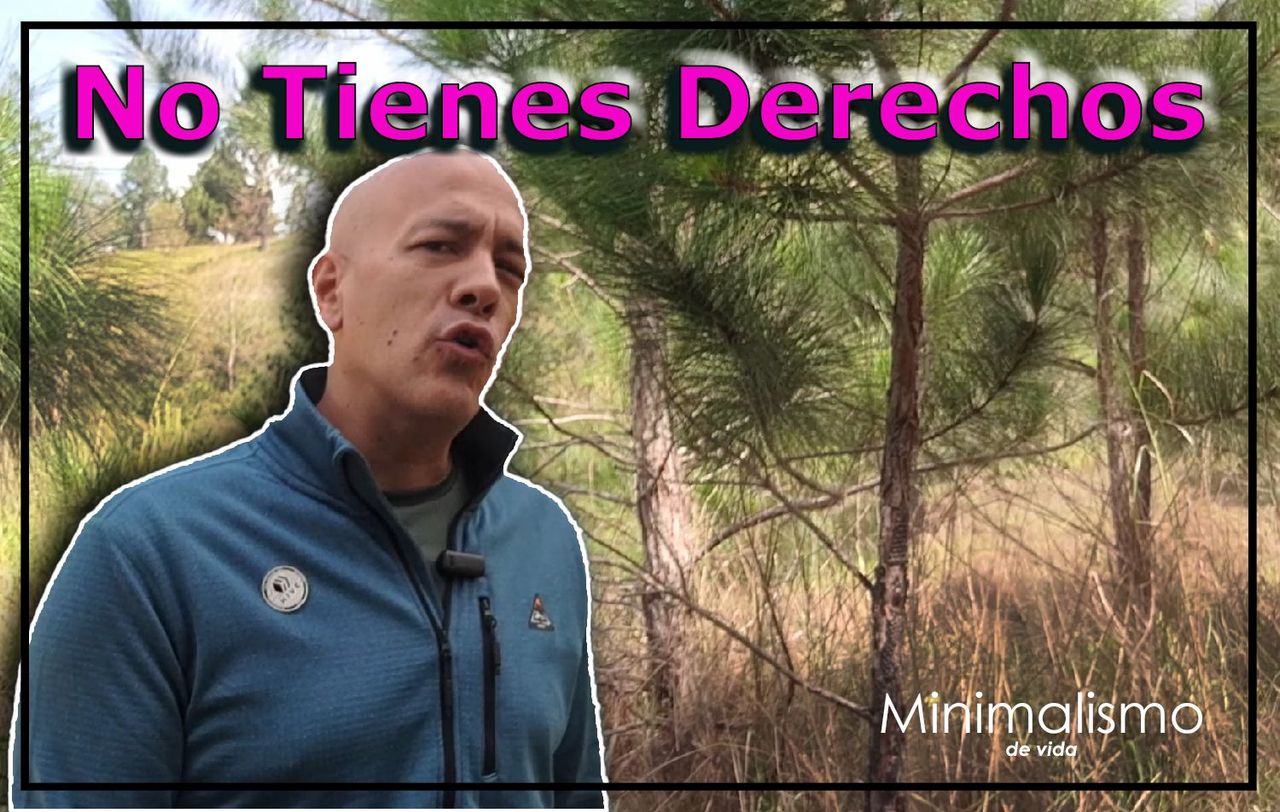
"No tienes derecho a nada", es el comentario que me dejó 
Fueron varios comentarios sobre tener derecho. En uno se mencionaba a ricos y pobres, recordando la lucha de clases que muchas personas tienen en su interior.
Estos comentarios inmediatamente me recordaron en video de Miguel Anxo Bastos, donde aprendí el significado de derechos positivos y derechos negativos. Creo que son términos filosóficos, mas no legales. Si algún abogado quiera aclararlo lo leo en comentarios.
En resumen, Basto dice que los derechos positivos son esclavitud, pues obligan a otro a darte. Estos derechos positivos son por ejemplo: Derecho a la vivienda, a la educación, a la salud. La mayoría de la gente cree que tiene esos derechos y que son naturales; sin embargo es la manipulación política más fuerte que existe, pues con esa creencia arraigada se mantiene el Estado y el sistema político. En teoría el Estado debería garantizar esos derechos, sin embargo será a costa de otras personas, que a través del robo, el Estado quita para dar esos derechos. Por lo tanto cualquier derecho positivo será obligado a otro a darlo.
En cambio los derechos negativos son lo que no te deberían poder quitar. Derecho a que no te maten, a que no te roben, a que no te prohíban. Pero son derechos que tú tienes que defenderlos, es por eso que Filoriologo dice que no tenemos derecho a nada. Al final nadie está en la obligación de darte nada y eso incluye una defensa de los derechos negativos.
Canaima está ahí y cualquiera puede ir. Incluso si quieres ir barato puedes ir en campamento. Canaima tampoco es una necesidad humana. De hecho mientras menos gente la visite mejor. Por mí que nadie vaya. Eso no es un museo. Yo ni siquiera estoy de acuerdo que haya hoteles. El turismo está acabando con el planeta...
English
“You have no right to anything” is the comment
There were several comments about having rights. One mentioned the rich and the poor, highlighting the class struggle that many people carry within them.
These comments immediately reminded me of a video by Miguel Anxo Bastos, where I learned the meaning of positive rights and negative rights. I believe these are philosophical terms, not legal ones. If any lawyer wants to clarify this, I’d love to read your comments.
In short, Bastos says that positive rights are a form of slavery, since they force others to give you something. Examples of these positive rights include: the right to housing, education, and healthcare. Most people believe they have these rights and that they are natural; however, this is the most powerful form of political manipulation that exists, because the state and the political system are sustained by this deeply ingrained belief. In theory, the state should guarantee these rights; however, it does so at the expense of others, taking from them through theft to provide those rights. Therefore, any positive right will require someone else to provide it.
In contrast, negative rights are those that should not be taken away from you. The right not to be killed, not to be robbed, not to be prohibited. But these are rights you must defend yourself; that is why Filoriologo says we have no right to anything. Ultimately, no one is obligated to give you anything, and that includes the defense of negative rights.
Canaima is there, and anyone can go. If you want to go on a budget, you can even go camping. Canaima isn’t a human necessity either. In fact, the fewer people who visit it, the better. As far as I’m concerned, nobody should go. It’s not a museum. I don’t even agree with there being hotels there. Tourism is destroying the planet...
Translated with DeepL.com (free version)


