
Sé que en publicaciones precedentes les hemos contado sobre lo verde de la ciudad y como han invertido mucho en sus espacios recreativos. En viajes pretéritos a Buenos Aires, se nos había pasado un lugar mágico y que estaba pendiente en la lista de visitas. Un enclave en medio de un conglomerado de parques llamado "Jardín Japonés" y vaya que la fama no es exagerada. Aunque el parque tiene como dirección oficial la Av. Casares 3450 en el barrio Palermo, en realidad la entrada principal donde se compran los tickets para el recorrido tiene su frente hacia la avenida Adolfo Berro. Allá fuimos a parar y la quietud de la zona se hace evidente desde que usted se baja del transporte. ARS$ 4.500 es el precio del boleto para los extranjeros y ARS$ 1.500 para los residentes presentando DNI (identificación argentina). El acceso es rápido y ayer martes los residentes estaban exentos del pago de entrada.
ENGLISH VERSION (click here!)
I know that in previous publications we have told you about the greenness of the city and how they have invested a lot in its recreational spaces. In previous trips to Buenos Aires, we had missed a magical place that was pending on the list of visits. An enclave in the middle of a conglomerate of parks called “Jardín Japonés” (Japanese Garden) and the fame is not exaggerated. Although the park's official address is 3450 Casares Avenue in the Palermo neighborhood, in reality the main entrance where you buy tickets for the tour has its front facing Adolfo Berro Avenue. There we went to stop and the quietness of the area is evident from the moment you get off the transport. ARS$ 4,500 is the price of the ticket for foreigners and ARS$ 1,500 for residents presenting ID (Argentinean ID). Access is quick and yesterday, Tuesday, residents were exempt from paying the entrance fee.


La belleza del parque la podrán comprobar con las imágenes y el vídeo que componen nuestra publicación. La infraestructura para la atención del público está muy bien pensada. Disponen de tienda de recuerdos, un museo donde el turista puede checar la historia de la herencia japonesa en la nación gaucha, una cafetería, una bodega donde venden chuches y helados, un restaurante donde usted puede almorzar con sus acompañantes cocina nipona, un lugar para talleres donde se ofrecen clases de origami y de sazón culinaria de ese país asiático y una serie intrincada de veredas que cruzan el parque en varios puntos: alrededor y dentro de exhibiciones especiales dedicadas a diferentes costumbres del folklore japonés, especialmente las que están relacionadas con las prácticas espirituales.
ENGLISH VERSION (click here!)
The beauty of the park can be seen in the images and video that make up our publication. The infrastructure for the attention of the public is very well thought out. There is a souvenir store, a museum where tourists can check the history of the Japanese heritage in the Gaucho nation, a cafeteria, a bodega where they sell sweets and ice cream, a restaurant where you can have lunch with your companions, a place for workshops where origami and Japanese cuisine classes are offered and an intricate series of paths that cross the park at various points: around and inside special exhibits dedicated to different customs of Japanese folklore, especially those related to spiritual practices.


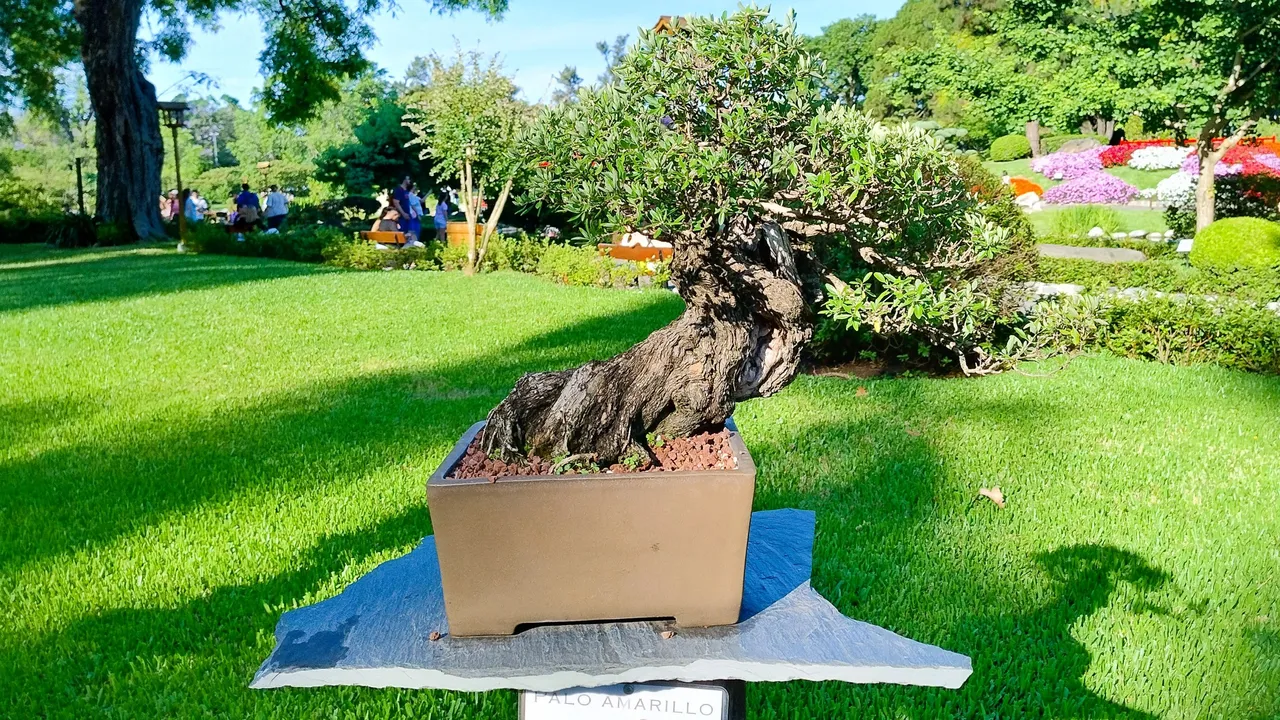
Todo esto es usual en infraestructuras turísticas, pero donde se destaca el "Jardín Japonés" es en sus exuberantes colecciones de jardinería nipona. Cada especie arborícola propia de las regiones del Japón tiene su espacio en el parque. Los exquisitos cortes de podado dan testimonio del cuidado máximo en un espacio diseñado para la tranquilidad espiritual y la contemplación. El Jardín Japonés "fue inaugurado en 1967, con motivo de la visita del entonces príncipe heredero del Japón, Akihito, y su esposa, Michiko, quienes hoy son los emperadores de esta nación." (1) Y quizás sea uno de los tres espacios más lindos que hemos tenido la fortuna de visitar en la ciudad de Buenos Aires. Los colores de sus flores en plena primavera austral, dejan boquiabierto hasta el más descuidado de los seres humanos. El silencio respecto a la ciudad ruidosa que encontramos a su lado es muy paradójico.
ENGLISH VERSION (click here!)
All this, let's say, is usual in tourist infrastructures, but where the “Japanese Garden” stands out is in its exuberant collections of Japanese gardening. Each arboreal species typical of the regions of Japan has its space in the park. The exquisite pruning cuts testify to the utmost care in a space designed for spiritual tranquility and contemplation. The Japanese Garden “was inaugurated in 1967, on the occasion of the visit of the then Crown Prince of Japan, Akihito, and his wife, Michiko, who are today the emperors of this nation.” (1) And perhaps it is one of the three most beautiful spaces we have been fortunate to visit in the city of Buenos Aires. The colors of its flowers in full southern spring, leave even the most careless of human beings speechless. The silence with respect to the noisy city that we find almost next to it is very paradoxical.




El lugar nos hizo recordar el parque de las rosas en Portland, OR, U.S.A. por la paz respirada en medio de sus caminerías. También hay una cantidad respetable de bancos alrededor del parque desde donde usted puede tomar descansos y dedicarse a respirar, además de contemplar. Mi acompañante en ésta aventura fue 
ENGLISH VERSION (click here!)
The place reminded us of the Rose Park in Portland, OR, U.S.A. because of the peacefulness of the walkways. There are also a respectable amount of benches around the park from where you can take breaks and dedicate yourself to breathing, as well as contemplating. My companion in this adventure was


