
Hello everyone,
In today's article, I'd like to share with you three of the oldest historic gates in the city of Fes. These gates, true witnesses to the history and cultural richness of this thousand-year-old city, have stood the test of time and remain strong symbols of Moroccan heritage. They are Bab Makina, Bab Dekkakine and Bab Sagma.

My walk started from Place Boujloud (you can see the article I wrote about this historic square here)! I walked along Avenue Moulay Hassan, and on the left-hand side there's the beautiful Jnane Sbil garden, a magical place where I plan to go soon and write an article about it. Continuing straight on, I found an alleyway with some great views, and thought it would be a good idea to take some photos here!
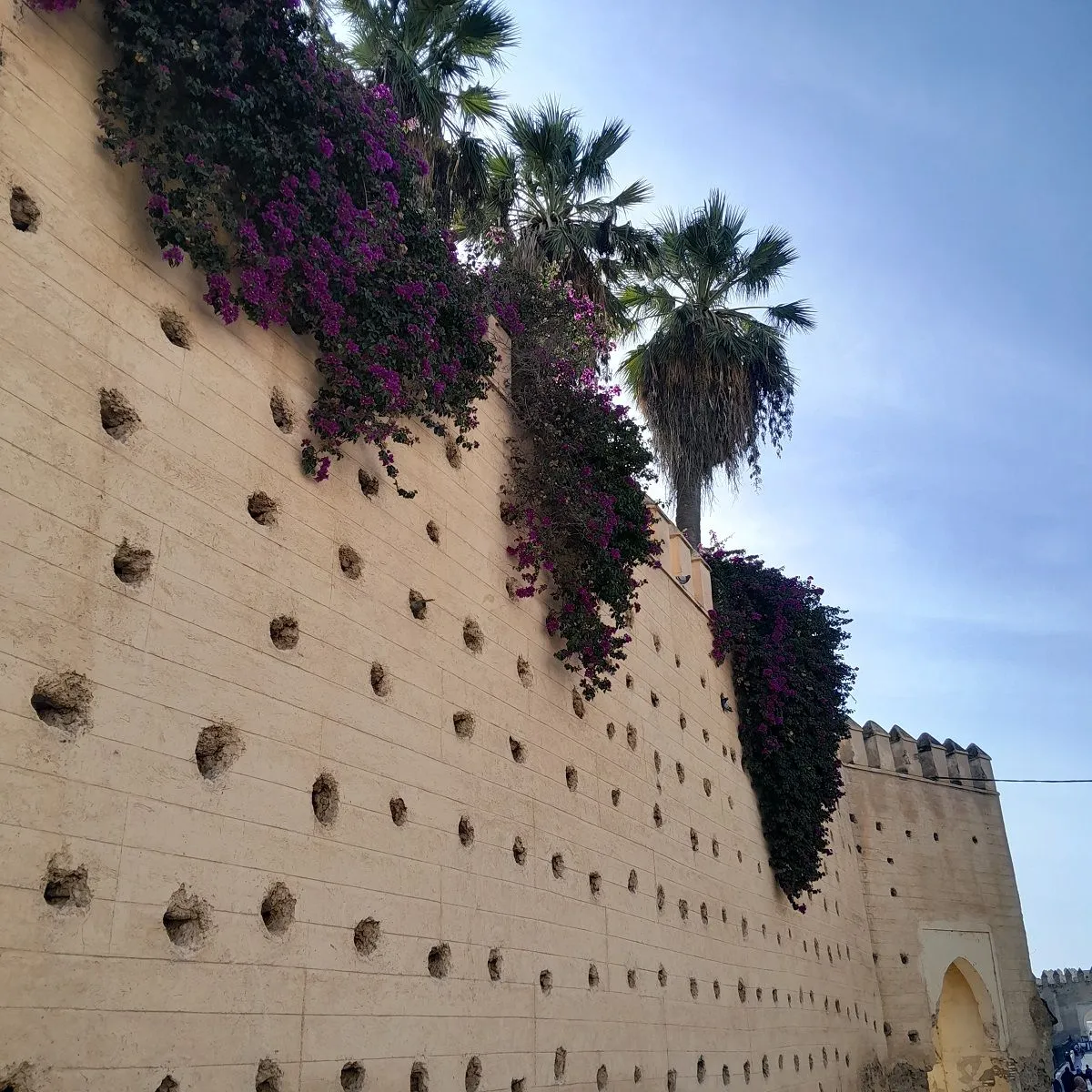


I exited this alleyway and returned to Avenue Moulay Hassan, then continued walking for about 5 minutes before arriving at the destination I was aiming for:
Bab Makina and Bab Dakkakine
Bab Makina is one of the most emblematic historic gates in the city of Fes. Located to the north of the old medina, it stands opposite the impressive Shararda Palace, itself steeped in history. Bab Makina is not just an architectural vestige, it is also a lively and dynamic place. Every summer, it becomes the setting for some of the events in the famous Festival of World Sacred Music, attracting visitors from all over the world to celebrate cultural and spiritual diversity.


Not far from Bab Makina I found the Bab Dekkakine gate, another gate that also plays an important role in the city's rich heritage. It is an entrance to the old medina, particularly towards well-known places such as the Machouar district and the Jnane Sbil garden, a green space that invites you to take a stroll. As I said at the beginning of this article, I'll probably do a post on this beautiful historic garden, who is known not only by the inhabitants of the city of Fes, but by all Moroccans!


In the past, this historic gateway, Bab Dekkakine, whose name means ‘the gateway to the shops’ (the word dekkakine being the plural of doukkan, which designates a shop or small business), was used to protect the merchants who set up shop nearby. These merchants, who owned their own stalls, benefited from the security offered by this door, which protected them from looting and theft.
Bab Makina and Bab Daekkakine both bear witness to the ingenuity and organisation of historic Moroccan cities. They reflect not only the importance of trade in urban life, but also the attention paid to the safety of residents and visitors alike. Today, these gates continue to capture the imagination, blending the ancient and the modern in a unique harmony that is unique to Fes.
After visiting these two gates, I headed down the avenue Abu Bakr Ibn Al-Arabi to the historic Bab Sagma gate! Bab Sagma takes its name from a pious woman, Amina Sagma, who was buried next to this monument in 1737. She is still remembered by the Fessis (the inhabitants of Fes).
Note the exterior façade of Bab Sagma, with its long cursive inscription on green zellige, recalling the story of its foundation by the Alawite sultan Moulay Hassan I.
This craft technique consists of engraving calligraphic decorations (Koranic verses, poems, etc.) on ceramic tiles coated in black, green or blue and placed side by side. It is the contrast between the sculpted and non-sculpted parts that reveals and highlights the text, which runs in a straight band around the patios and decorated façades.

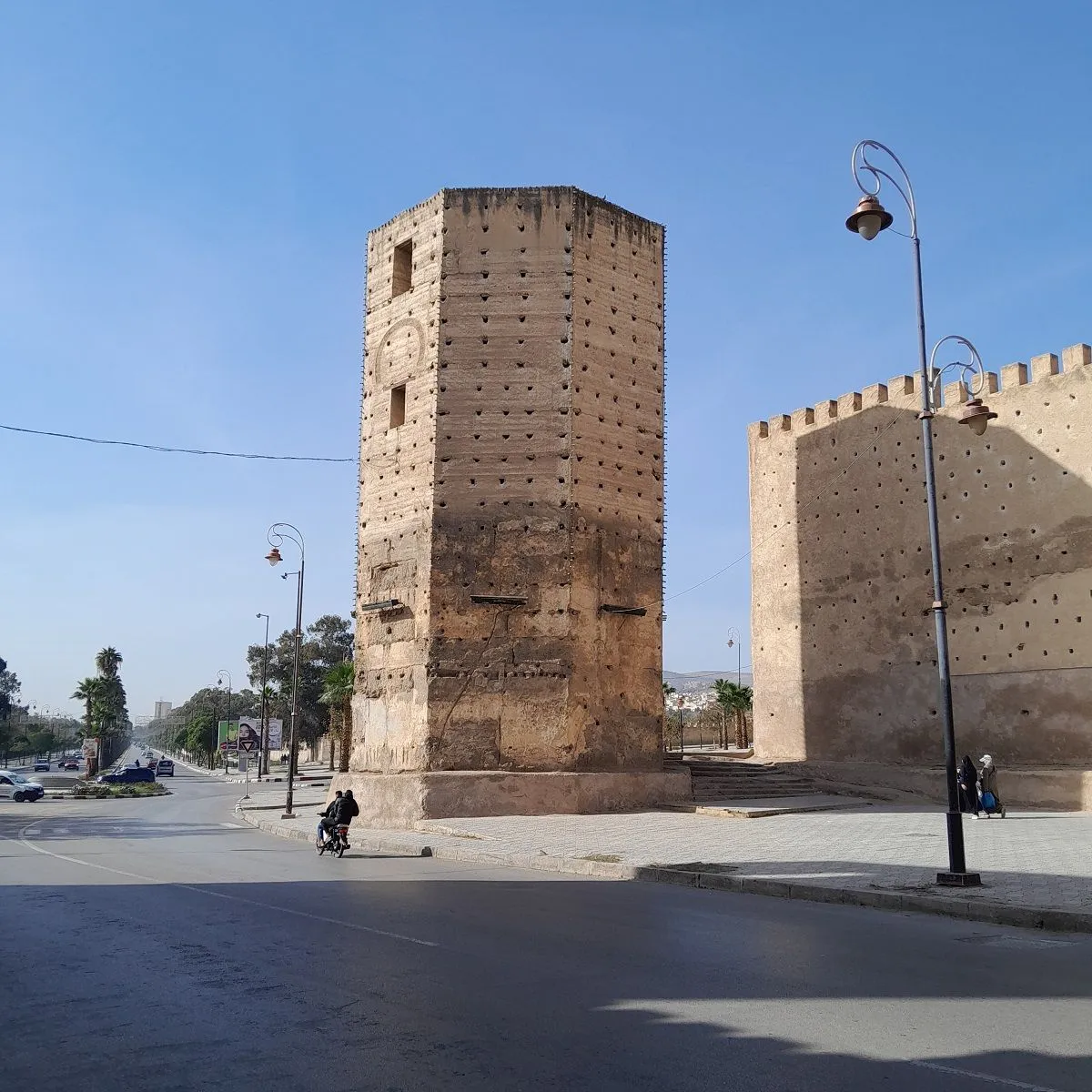


That's all for today's post, I hope you enjoy the photos I took on this beautiful walk. Take care and see you soon for a new share!

I'm Redwan from Morocco, a country rich in history, culture and natural landscapes! I've always had a passion for travelling and discovery. Nothing gives me greater pleasure than exploring new places, whether historical, archaeological or in the heart of nature. Through my blogs, you can discover the hidden gems of Morocco, whether you want to admire the fascinating architecture of a historic site, delve into the legends surrounding an archaeological site, or simply marvel at the beauty of Moroccan nature!
Photos taken by my own phone (Samsung Galaxy A04s).
