


Hola querido hiver.
En Peñíscola tienen un museo dedicado a la mar, algo normal en un pueblo que ahora vive del turismo pero que antes lo hacía de la pesca. Se ubica en unas antiguas escuelas y es pequeño, por lo que en media hora o poco más se ve todo.


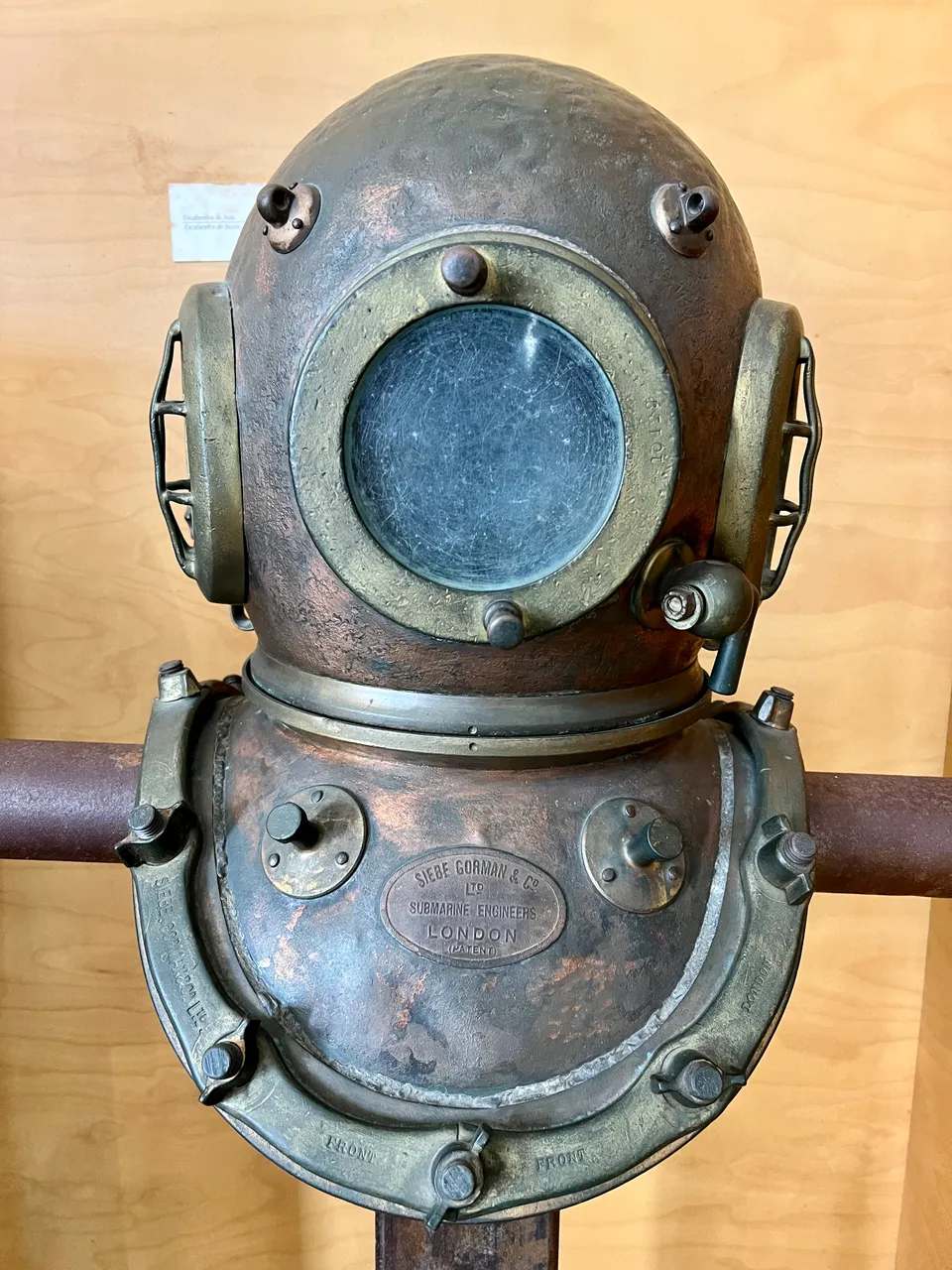
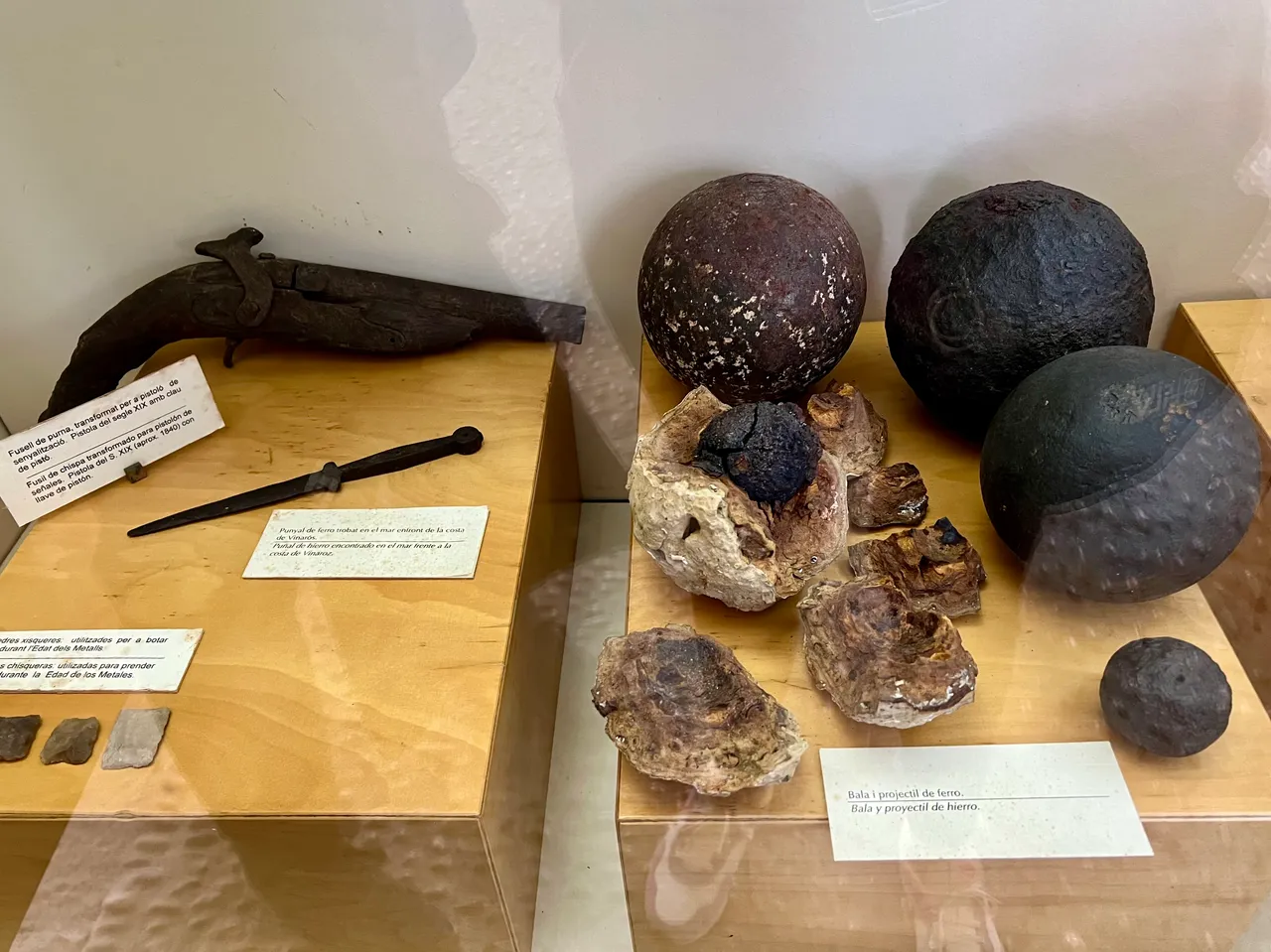
El museo se divide en varias secciones. La primera está dedicada a la historia, donde nos enseñan la relación de Peñíscola con el mar desde sus orígenes en el siglo VIII-VII a.C. Hasta aquí llegaron primeramente fenicios procedentes de Tyro, y tras ellos griegos, cartagineses, romanos, bizantinos, musulmanes y cristianos se fueron sustituyendo unos a otros hasta llegar a la actualidad.


La segunda sección corresponde a la pesca. Aquí el mundo marinero toma el protagonismo en forma de artes de pesca, utensilios de uso cotidiano y maquetas de las embarcaciones pesqueras (estas las veremos más adelante).


Me gustaron especialmente los paneles en los que se mostraban fotografías de las gentes del mar realizando sus faenas. Ponerles rostro es importante para comprender su sacrificio cotidiano.


Por último, la tercera sección nos ofrece un extenso catálogo de fauna marina. En una gran vitrina podemos observar los esqueletos, caparazones o conchas de crustáceos, equinodermos, moluscos y otras especies. Sin duda es la parte favorita de los niños, donde pueden jugar a identificar los distintos animales.
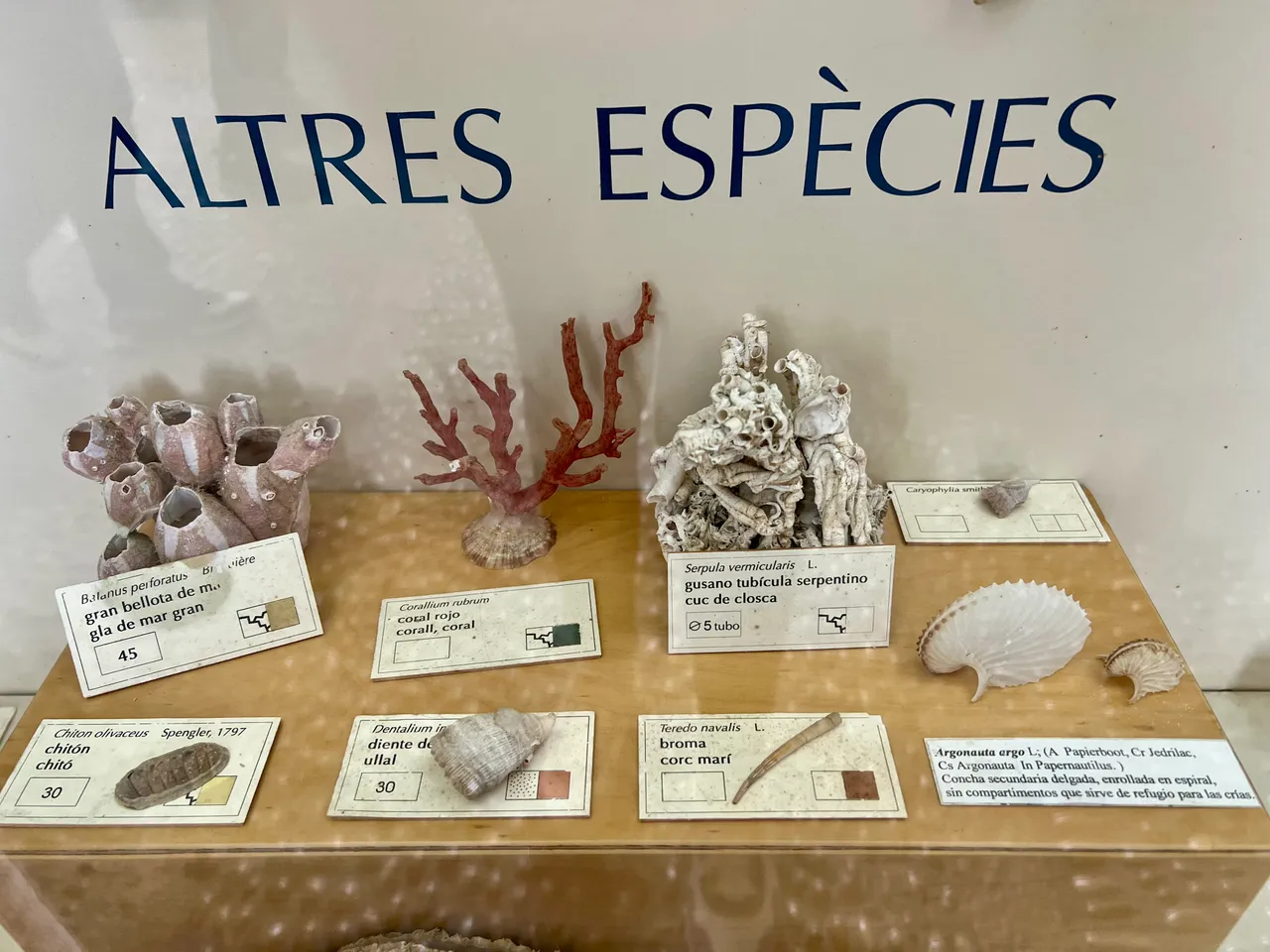


Lo más curioso para mí fue el tamaño de la parte delantera defensiva de un pez espada, de unos dos palmos aproximadamente. No me gustaría encontrarme con uno de cerca mientras nado, jeje.


Al fondo tienen un pequeño espacio con tres acuarios que contienen algunos animales vivos, pero las aguas estaban bastante turbias, sobre todo en el que había un pulpo que se movía y removía la arena. Fue imposible tomarle una foto decente. A cambio la pareja de rayas estaban empeñadas en saludarnos y pasaron el rato pegadas al cristal.


Dedicamos el regreso a la puerta de entrada a mirar las maquetas de barcos, que como estaban ordenados por épocas históricas fuimos de lo más moderno a lo más antiguo.


En las paredes que no estaban ocupadas por ventanas había algunos mapas donde se apreciaba que Peñíscola en su origen se reducía al espacio del peñón que ahora es solo su parte antigua.


Terminamos así la visita, no sin antes parar a fotografiar el estupendo cañón que vigila frente a la puerta del museo.


Si deseas ampliar la información puedes consultar el catálogo oficial del museo en este enlace.
Hasta la próxima publicación. Mientras tanto, ¡cuídate!

Herramientas: Cámara iPhone 13 Pro, editor de fotos Mac.
Mis publicaciones en Worldmappin pinchando aquí
Si te gusta lo que publico, únete a mi Fanbase pinchando aquí

©️Copyright 2024 Paloma Peña Pérez. Todos los derechos reservados.

Hi, dear hiver.
In Peñíscola they have a museum dedicated to the sea, which is normal in a town that now lives off tourism but used to live off fishing. It is located in some old schools and is small, so you can see everything in half an hour or a little more.
The museum is divided into several sections. The first is dedicated to history, where we are shown Peñíscola's relationship with the sea from its origins in the 8th-7th century BC. The first Phoenicians arrived here from Tyro, and after them the Greeks, Carthaginians, Romans, Byzantines, Muslims and Christians replaced each other until we reach the present day.
The second section corresponds to fishing. Here the seafaring world takes centre stage in the form of fishing gear, everyday utensils and models of fishing boats (we will see these later).
I particularly liked the panels showing photographs of seafarers at work. It is important to put a face to them in order to understand their daily sacrifice.
Finally, the third section offers an extensive catalogue of marine fauna. In a large display case we can see the skeletons, shells of crustaceans, echinoderms, molluscs and other species. This is undoubtedly the children's favourite part of the exhibition, where they can play at identifying the different animals.
The most curious thing for me was the size of the defensive front part of a swordfish, about two feet long. I wouldn't want to meet one up close while swimming, hehe.
At the back they have a small space with three aquariums containing some live animals, but the water was quite murky, especially the one with an octopus that was moving and stirring the sand. It was impossible to take a decent photo of it. On the other hand, the pair of stingrays were determined to greet us and spent the whole time glued to the glass.
We went back to the entrance door to look at the model ships, and as they were arranged according to historical periods, we went from the most modern to the oldest.
On the walls that were not occupied by windows there were some maps showing that Peñíscola was originally reduced to the area of the rock that is now just the old part of it.
We finished our visit, but not before stopping to take a photograph of the marvellous cannon that stands guard in front of the museum's door.
For further information you can consult the official museum catalogue at this link.
Until the next post. In the meantime, take care!
Tools: iPhone 13 Pro camera, Mac photo editor.
Translated with DeepL
My publications in Worldmappin by clicking here
If you like my content, join my Fanbase clicking here

©️Copyright 2024 Paloma Peña Pérez. All rights reserved.
