
Culture, they say, is the people's traditions, language, beliefs, the norms that guide them in behavior and decision-making, arts, and social life. To me, culture influences how people think and interact with the things around them and their individual experiences.

I'm from the Igbo culture, specifically Anambra State. Both my parents are from Anambra state. I grew up in my hometown, Uli in Ihiala local government area with my grandmother until she passed on. Even though my parents weren't that deep into the Igbo culture, that didn't stop me from learning about our culture from my grandma.
I learned that among the most powerful religious and social elements in Igbo religion, history, and culture are the Igbo market days. These market days include Eke, Orie, Afo, and Nkwo. There are particular deities worshipped on different market days. Some streams or rivers are not fetched during particular market days, as such days are considered sacred to the deity that owns the river or stream.
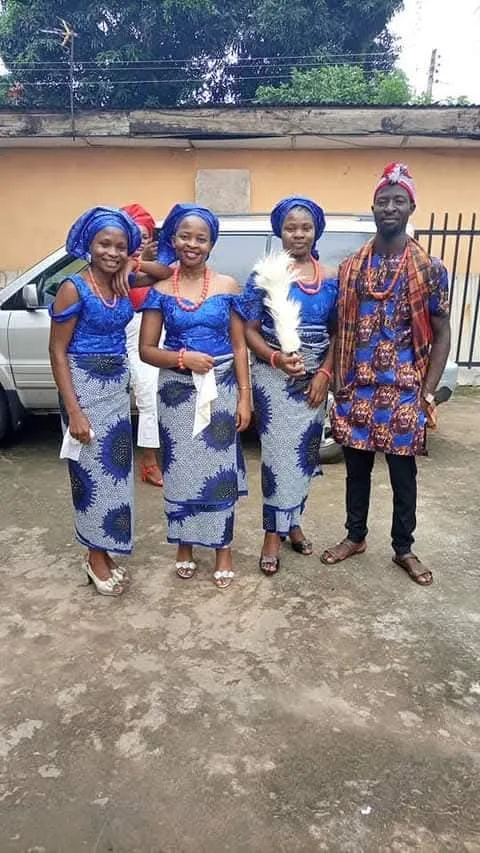
On days like Eke, communities like mine do not allow their members to go to farm, and there are no burials of the journey of the dead as a form of respect to the day. Even marriage ceremonies are not allowed. Any child born on the Eke day is named Okeke, Nweke, etc. Major celebrations are fixed during Orie days, which are the days farmers take to rest from every farming activity. Any child born on Orie market days is named Okorie, Nworie, Okoye, etc.

Another practice is the worship of the python, popularly called Eke in the Igbo language. It's believed that Eke is their Mother god, and so killing Eke is forbidden in my community. If Eke is killed, either consciously or subconsciously, proper burial rites must be made.

My favorite part of Igbo culture is their delicacies. It's well-known that Igbos have some of the best delicacies in Nigeria, like Abacha, ofe onugbo (bitter leaf soup), which is my favorite and peculiar to ndi Anambra. We also have ofe oha (Oha soup), Ukwa (breadfruit), and many others.

The other culture I admire is the Yoruba culture. I had the opportunity to spend some time in Ondo State, and one practice I love is how they greet. The younger ones always prostrate to the elderly ones when greeting. Have you attended a typical Yoruba child dedication ceremony before? OMG 😱, these people take child dedication ceremonies to another level! I think this is one celebration they don't joke with.
Thank you for reading through and I hope you enjoyed reading?
Photos are all mine.