

Sunset at Jan Juc Beach, courtesy of a friend here
How odd it is to be between two worlds - after spending over three months in England's bright sunshine in the hottest Spring on record, I am returning to an Australian winter in Victoria, in the southernmost parts of the country where, contrary to popular belief, it does get quite cold.
Yet in this limbo land of quarantine, I missed any fire rituals or sun gazing that would connect me to this fiery planet and the earth rituals that would connect me to the vital forces that are operating out there, in the elements. There was confusion, too - still warm from the northern hemisphere sunshine, I felt a deep cellular need to say hello to the sun, affirming my connections to tribal others as lockdown eases, feeling that sense of renewal and expansion as the sun's warmth encourages the trees to unfold in the peak of their growth, just as my own soul does the same. In the bright sun on the longest day of the year, the northern sun is at it's strongest and so too are we, powerful and connected to all that is. A sun ceremony would have acknowledged the fertility and potential within all of us much needed during this time, and, like for centuries, people would be gathering together. I felt a deep need to feel a part of that, even in a small symbolic way. So on the morning of the shortest day of the year here, I tuned into the longest day, watching the solstice sunset at Stonehenge - a bleak affair with static stones standing witness to the absence of druids and warlocks, travellers and pagans, sun worshippers and people there to party. Sunrise was no different - a mournful affair, with two policeman in bright yellow vests standing guard, and a few people lonely on the fenceline. There were no tribal beats, only the morning chorus of birds and lorries along that ancient travellers route, the A303.
In fact, so dismal was the scene we were watching live that Jamie decided to shine his own light in absence of the sun. We hadn't seen any sun that morning on the rooftop yard in a grey Melbourne day. We laughed, of course - but in this dark room, our hearts have been heavy and we've struggled to get through our days, despite all the tools we've gathered in this time on Earth. We're not alone, of course - the world is going through some darkness right now, and we're all feeling the discomfort of it.

In midwinter Victoria, friends were lighting bonfires in small gatherings - increased restrictions mean bubbles of relationships are not parties, but small groups trying to find some light in the uneasiness of the times. The winter solstice was always my most loved time of the year. It was - and is - a time for introspection. As the light now comes into our lives in the coming months, we can focus on renewal and rebirth, regeneration and growth. It's that energy I need as much as I need community and tribe - both rituals are calling to me in this limbo land.
Wherever I was pulled, however, there was the sun - giver of life, energy, and vitality.
Where was that in this room?
Of course, without my community or the sky, a fire to tend or a candle to light, I need to ignite my own fire in a ritual of my own making.
In the afternoon, after the British sunrise, I found a live cast of a sunset in Hawaii. As small groups of people swum in the water, sat in small groups or walked on the beach, the sun spread it's fire across sky and screen, and I rolled out my yoga mat for sun salutations, and put on my headphones to play the Gayatri Mantra, mouthing the words both internally and externally as breath as I practiced.
The Gayatri mantra is the oldest mantra of them all, mentioned in the Rig Veda, an ancient Hindu text. It reminds us that there is a truth or light common to us all at the centre of everything. Also known as the Savitri mantra, named for the goddess or deity of the elments, it's cited in many vedic texts and the Bhagavid Gita too. It is a prayer to the internal sun - to 'savitur' or 'savita' - the divine within.
There are various translations - this one by Douglas Brooks:
The eternal, earth, air, heaven
That glory, that resplendence of the sun
May we contemplate the brilliance of that light
May the sun inspire our minds.
Om Bhur Bhuvaḥ Swaḥ
Tat-savitur Vareñyaṃ
Bhargo Devasya Dheemahi
Dhiyo Yonaḥ Prachodayāt
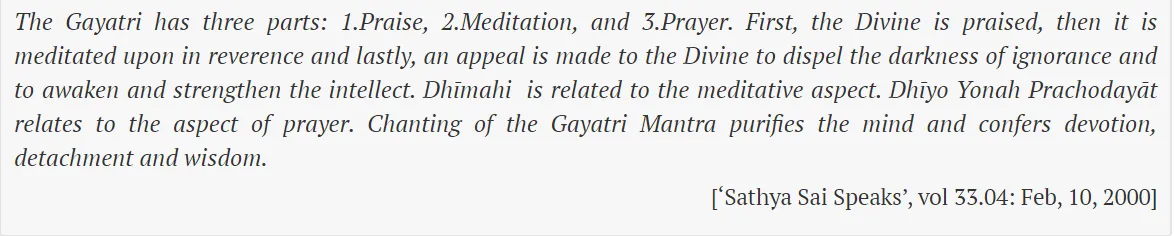
Here, there is no separation or dualism - the physical sun and our minds are the same thing. It's a mantra of gratitude - a thankyou to the presence of the sun for inspiring and nourishing us - as well as a mantra of grace, a mantra that is used to ask if we can continue to find the sun's strength to aspire to become illuminated or enlightened. It's a mantra of threes - of Gayatri, Savitri and Saraswati in all of us, of praise, meditation and prayer, and of material (bhur, the earth, the body), life force (bhuvah - energy, vitality, vibration, middle world) and sustenance (swah - a constant awareness or radiation, the atma or self, the truth or divinity within that is constant to all beings, heaven).
Read more about the Gayatri here
As I moved through various permutations and variations of surya namaskar, I could feel both the physical heat of my body begin to build as well as the presence of my own grace, my own internal illuminated self. However we interpret this mantra, it is certainly powerful.
There are infinite versions of the Maya Gayatri - from bramin chanting to the beautiful Deva Pramal to this euphoric version here which I find wonderful for a more jubilant practice or mood. Of course, we don't need to move at all - we can just sit and sing, or sing through our chores. Combining asana practice and sound is a personal choice that suits me more often than not, though simply sitting and singing works too!

Singing and moving to the Gayatri - I am reminded of the spiritual sun within. I neither need Stonehenge or sunrises over southern oceans, just the divine joy of light within.
With Love,
Join The Best Natural Health Community on Hive


PeakD - The Best Way to Experience The Hive Blockchain

MINDFUL LIFE is a Natural Medicine project which supports meditators on HIVE
Discord II Community


