

Madrid is not about beaches, sun, sand and a season lasting from May to September. This city is beautiful in every season and I love it with all my heart. On our last trip, we visited the iconic flea market of Spain’s capital, tried the most unexpected local dishes and immersed ourselves in Spanish cinema. In Madrid there’s no such thing as a second breakfast like in Barcelona. Here no one eats lunch in the late afternoon, unlike in the southern Andalusian region. People work here, rushing early in the morning to get to their jobs. Work typically starts around 8:30 am. Consequently during and after these hours, the metro and suburban trains are crowded and the M30 and M40 ring roads almost come to a standstill due to traffic. Madrid has two ring roads that make it possible to travel from south to north in 15–20 minutes without passing through the city center under normal conditions. In recent years the city implemented a unique project called Madrid Río. This included covering part of the M30 road with a long park. Thanks to this project, the capital became greener and locals began breathing fresh air instead of exhaust fumes.


Local breakfast is, of course, fantastic. But you won’t find things like oatmeal here. That’s why I headed to my favorite spot: pastries, croissants and often toast. These are very typical for Spain. And of course, having a big cappuccino is a perfect way to start the day. If you’re ever in the area, be sure to visit this café called Novo Mundo to try authentic Italian cuisine and the best pistachios. Because I’m a pistachio lover. I adore them in every form.

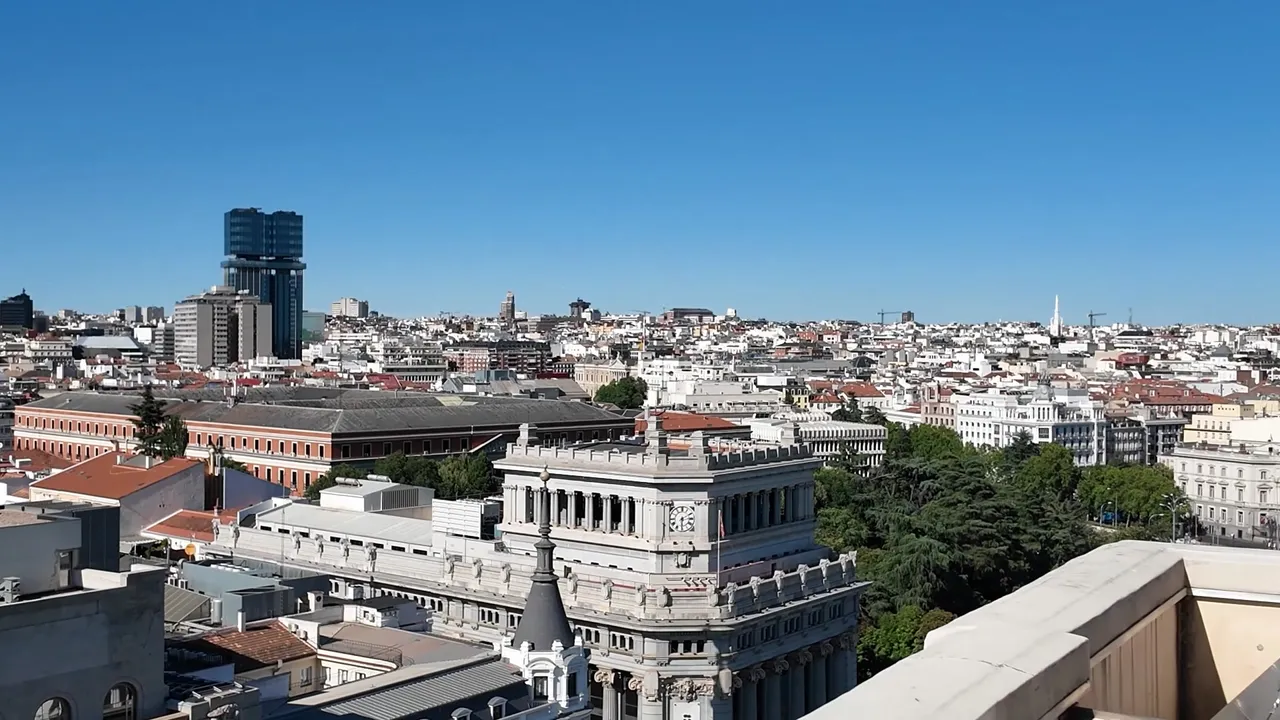
But Madrid isn’t just about delicious and diverse food. It’s also about art. Friends, when I’m here, I feel like I’m on top of the world. At least like the Queen of Madrid. On my last visit I went up to the free observation deck of the Reina Sofia Museum. Yes, many people know this museum, but very few are aware that it’s divided into two main sections: the old section, which houses the main collection and the new section, which includes the library, art spaces and this free observation deck. From here, you get a stunning view: Madrid’s train station, La Latina and other old town areas are all breathtaking. Remember this hidden spot is completely free.



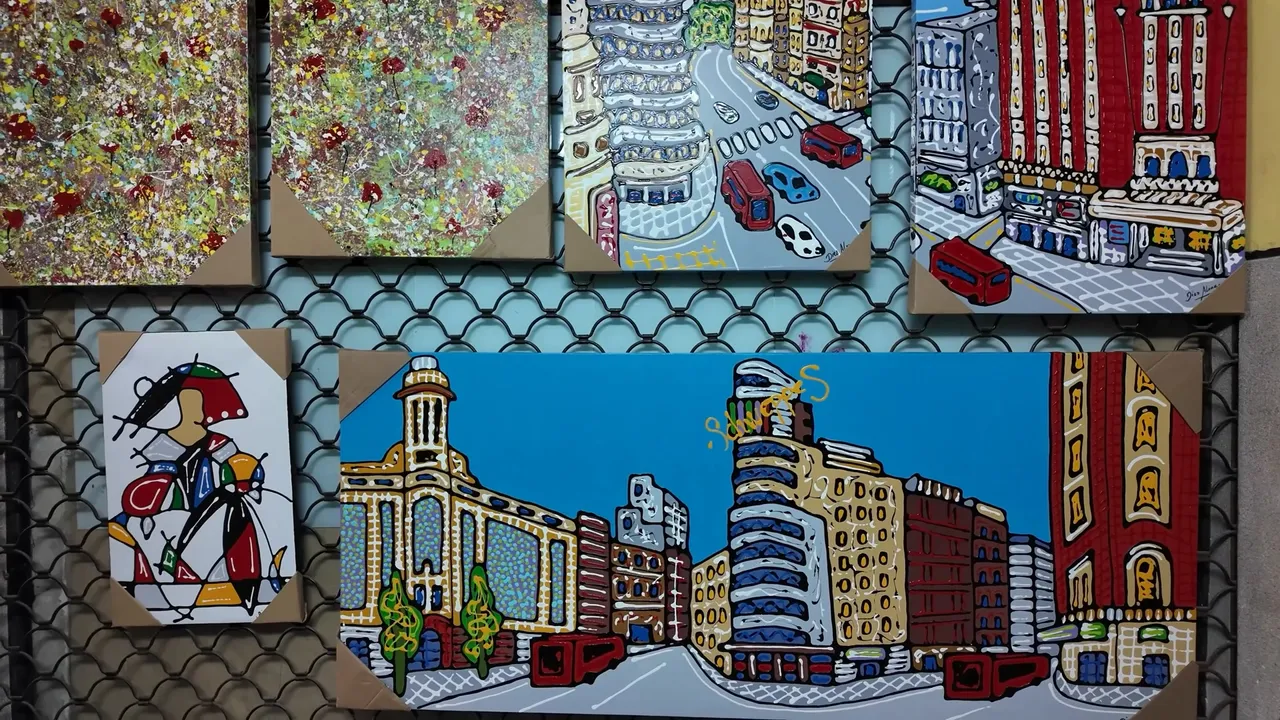
Discovering Madrid’s underground art and hidden galleries is much harder. That’s why we visited one of the hidden galleries in the La Latina district. This area gets its name from Latin and Beatrice Galindo, an old teacher. There were many young people and students here. A very vibrant neighborhood. I absolutely love this area.



The El Rastro market has been around since Madrid became the capital in 1561. The word Rastro means trace, and there are two explanations for this. The first is that traces of stolen goods from Madrid could be found at the market. The second explanation is that not only goods but also raw meats and other foods were sold here, leaving bloody traces where the meat was cut.


The El Rastro market was a very cultural place, where you could find foreign goods from Spain’s former colonies. This iconic market has also frequently appeared in local cinema. It was even featured in a film by the most famous Spanish director, Pedro Almodóvar. My friend is one of Almodóvar’s biggest fans. Almodóvar is one of the most renowned directors of modern Spanish cinema. His comedies are masterpieces reflecting the absurdity of the world, telling stories with laughter.


Madrid isn’t just about food and culture. It’s a captivating place and I never get tired of exploring and dreaming here.