
Anytime i reflect on the life of the wonder bird called the ALBATROSS,i am always at awe and tempted to say the ALBATROSS should be named the 8(eight) wonders of the world.
Imagine a bird 🐦🕊️ so immense and graceful that it can glide and soar across oceans for YEARS without touching the ground, riding on invisible wind like a living glider.This is the way of the ALBATROSS,one of nature's extraordinary aviators.
In this little documentary, let's us dive into the world of these seabirds, exploring their biology, behaviors, challenges, and the myths that surround them.
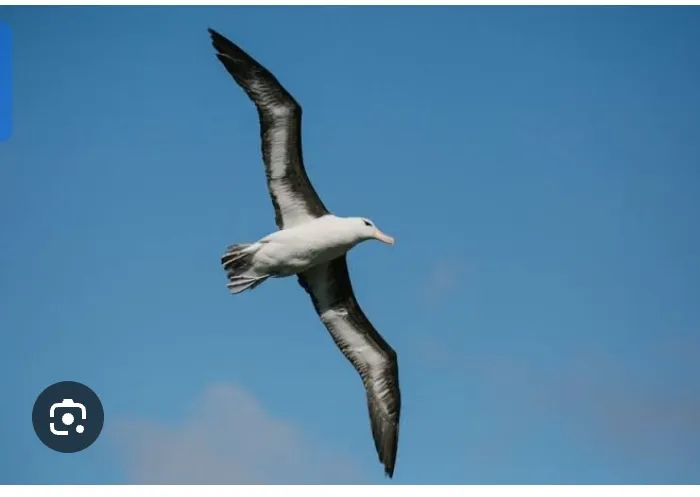
FAMILY OF GIANTS:
Albatrosses belong to the family Diomedeidae in the order Procellariiformes, often called tubenoses due to their distinctive nasal tubes. They're cousins to petrels and shearwaters, and they are divided into 4 genera;
1)Diomedea (great albatrosses),
2)Thalassarche (mollymawks),
3)Phoebastria (North Pacific albatrosses), and
4)Phoebetria (sooty albatrosses).
There are about 21 recognized species,these birds evolved around 35–30 million years ago during the Oligocene, with fossils showing ancient splits between genera by the Miocene. Once, they even roamed the North Atlantic, but today they're absent there,except for rare wanderers.
Lets take a look at some of these species;
THE NORTHERN ROYAL ALBATROSS.

THE BULLER'S ALBATROSS.

THE WANDERING ALBATROSS.

THE WHITE-CAPPED ALBATROSS.

THE LIGHT-MANTLED ALBATROSS.

THE ANTIPODEAN ALBATROSS.

THE SOUTHERN ROYAL ALBATROSS.

THE GREY-HEADED ALBATROSS.

THE CAMPBELL ALBATROSS.

THE SALVIN'S ALBATROSS.

THE LAYSAN ALBATROSS.

THE SHORT-TAILED ALBATROSS.

THE BLACK-FOOTED ALBATROSS.

THE WAVED ALBATROSS.

THE BLACK-BROWED ALBATROSS.

THE CHATHAM ALBATROSS.

Built for the Skies: Physical Characteristics
Picture a bird with wings stretching up to 3.5 meters (11.5 feet)—the longest wingspan of any living bird.


The wandering albatross holds this record, with a body over a meter long and weighing up to 12 kilograms.Their wings are stiff and cambered, like airplane wings,allowing glide ratios of 22:1,they can travel 22 units forward for every unit of descent.
Many have dark upper parts and white undersides for camouflage against the sea and sky.Their large, hooked bills are perfect for snatching prey, and those nasal tubes? They help excrete excess salt from seawater, dripping a briny solution from their beaks.
Albatrosses also have an exceptional sense of smell to detect food miles away, and their webbed feet make them surprisingly agile on land, unlike many seabirds.
Poetry in Motion: Flight and Behavior
No bird flies like an albatross. Using dynamic soaring, they exploit wind gradients over waves, rising into headwinds and gliding down tailwinds to cover 1,000 kilometers a day with barely a flap. They can coast miles on a single wingbeat and may even sleep mid-flight. On calm days, they float on the water, as flapping tires them quickly. Albatrosses are loyal to their birthplaces,returning to breed within meters of where they hatched. Pairs form lifelong bonds through elaborate dances: bill-clacking, sky-pointing, and mutual preening that can last years before they mate. They're colonial but not aggressive, and juveniles disperse with innate navigation skills.
Hunters of the Deep: Diet
Albatrosses are opportunistic feeders, snatching squid, fish, krill, and crustaceans from the surface or shallow dives up to 12.5 meters deep.Some, like the waved albatross, steal from other birds via kleptoparasitism.They scavenge carrion or fishery discards, and their stomachs produce energy-rich oil from digested prey, which they regurgitate to chicks. This diet varies: black-footed prefer fish, while Laysans favor squid. Daytime foragers, they use their keen smell to locate meals across empty seas.
A Slow Dance of Life: Breeding and Life Cycle
Breeding is a marathon for albatrosses. They mature at 5 to10 years and lay just one egg per season (or biennially for larger species), incubating it for 70 to 80 days,the longest of any bird.Parents take turns, losing significant weight during shifts. Chicks fledge after 140 to 280 days, fed massive meals that balloon them heavier than adults before they slim down for flight.Survival to breeding age is 15–65%, but those that make it live long: over 60 years, with Wisdom, a Laysan albatross, still breeding at 70plus
Nests range from elaborate mud pedestals to simple scrapes, and pairs rarely divorce.
Legends of the Sea: Cultural and Historical Significance
Albatrosses inspire awe and lore. In Samuel Taylor Coleridge's The Rime of the Ancient Mariner (1798), killing one brings a curse, birthing the idiom "albatross around one's neck."Sailors once saw them as souls of drowned mariners, bad luck to harm. In Hawaiian mythology, Laysans are sacred ancestors; Māori carved flutes from their bones. Modern culture nods with golf's "albatross" for a rare score, and stamps from places like South Georgia celebrate them. Documentaries like BBC's Nature of Wandering Albatross and National Geographic's Wings of the Albatross capture their majesty, reminding us of their fragile place in our world.
In the end, albatrosses aren't just birds, they're symbols of endurance and the ocean's untamed spirit. Yet, their future hangs by a thread. By supporting conservation, we can ensure these giants continue to grace our skies for generations.
Thanks for reading.
19th of every year is WORLD ALBATROSS DAY.PHOTO CREDIT:HANS-ERIK JENSEN, nature & wildlife photography.
#ecency,#nature