
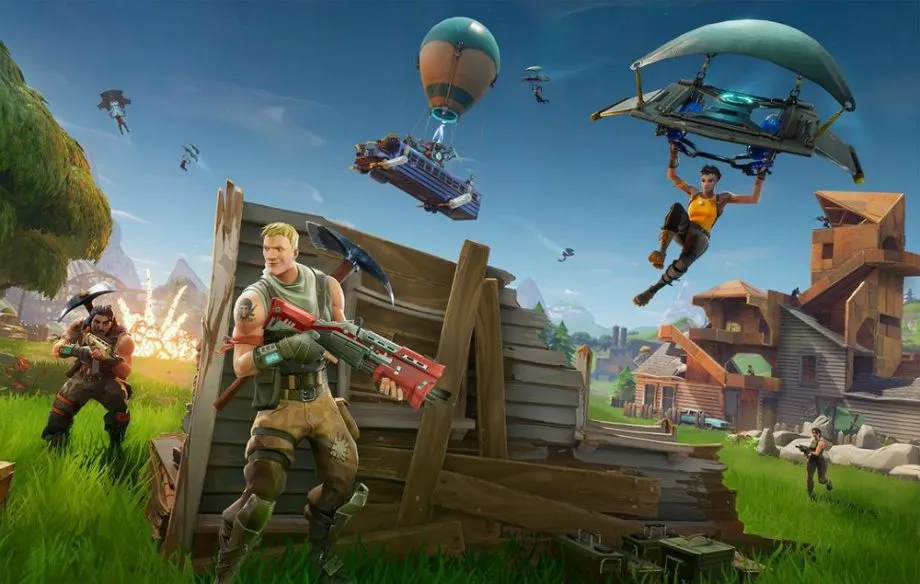
Fortnite is one of the most popular games in the world right now, with almost 100 million monthly players.
As the game has grown in popularity in recent years, the criticism surrounding it has also increased, with mental health experts comparing Fortnite to heroin.
Hundreds of divorce filings on the site Divorce Online reportedly list Fortnite and other online games as a reason for the divorce.

Kids are reportedly going to rehab because they cannot successfully regulate their passion for playing and it's interfering with their lives and responsibilities. For some kids, they might spend more than 12 hours a day or more playing the game.
But is the game to blame for the addiction?...
There might be some people who are more susceptible than others to becoming addicted, which would explain why not everyone becomes addicted to the point of having it interfere in a negative way with their life.
Addiction specialists have previously asserted that there are 3 specific traits that make up the risk of developing addiction or dependency and they are: compulsivity, impulsivity, and sensation-seeking. However, psychologists have noted that these traits need to be at the highest levels to likely fuel the dependency required to be classified as an addiction, because they claim that we all possess these traits to some extent. You might also possess only 1 or 2 of the traits and not all 3 at one time.

With video gaming, or any activity that we engage in, we are ultimately getting something out of the experience, and as with anything that we find pleasurable there is the possibility to abuse it and become addicted.
You can become addicted to food, shopping, drinking, plastic surgery, listening to music, gambling, and more. Those things don't cause the addiction though, do they?
It's not all negative, as there are some researchers who have suggested that gaming might be able to promote long-term growth in certain areas of the brain over time that are activated from playing. They also assert that gaming might help to improve problem solving abilities, decision making skills, and more.
For the majority of gamers today, research shows that many of them are psychologically healthy, as well as physically and socially just as healthy as non-gamers.
Pics:
pic 1 -Epic/Fortnite via nme
pic 2 - Simpsons via Giphy
pic 3 giphy
