
They are very common, relatively easy to approach, there is a nice variety of species here in my area, and they come in many shades and colors ...
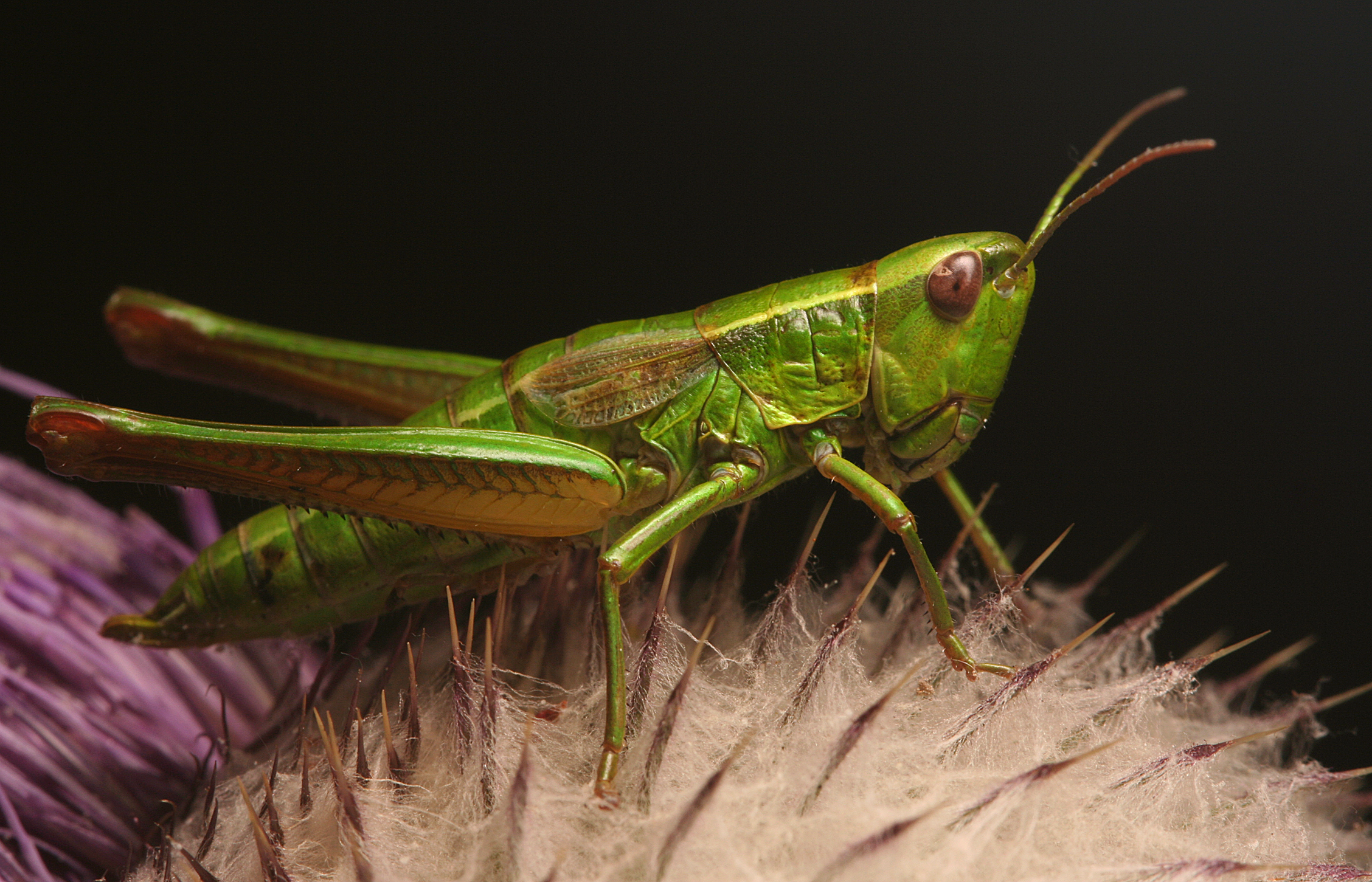
... so they very often catch my attention and end up on photograph.
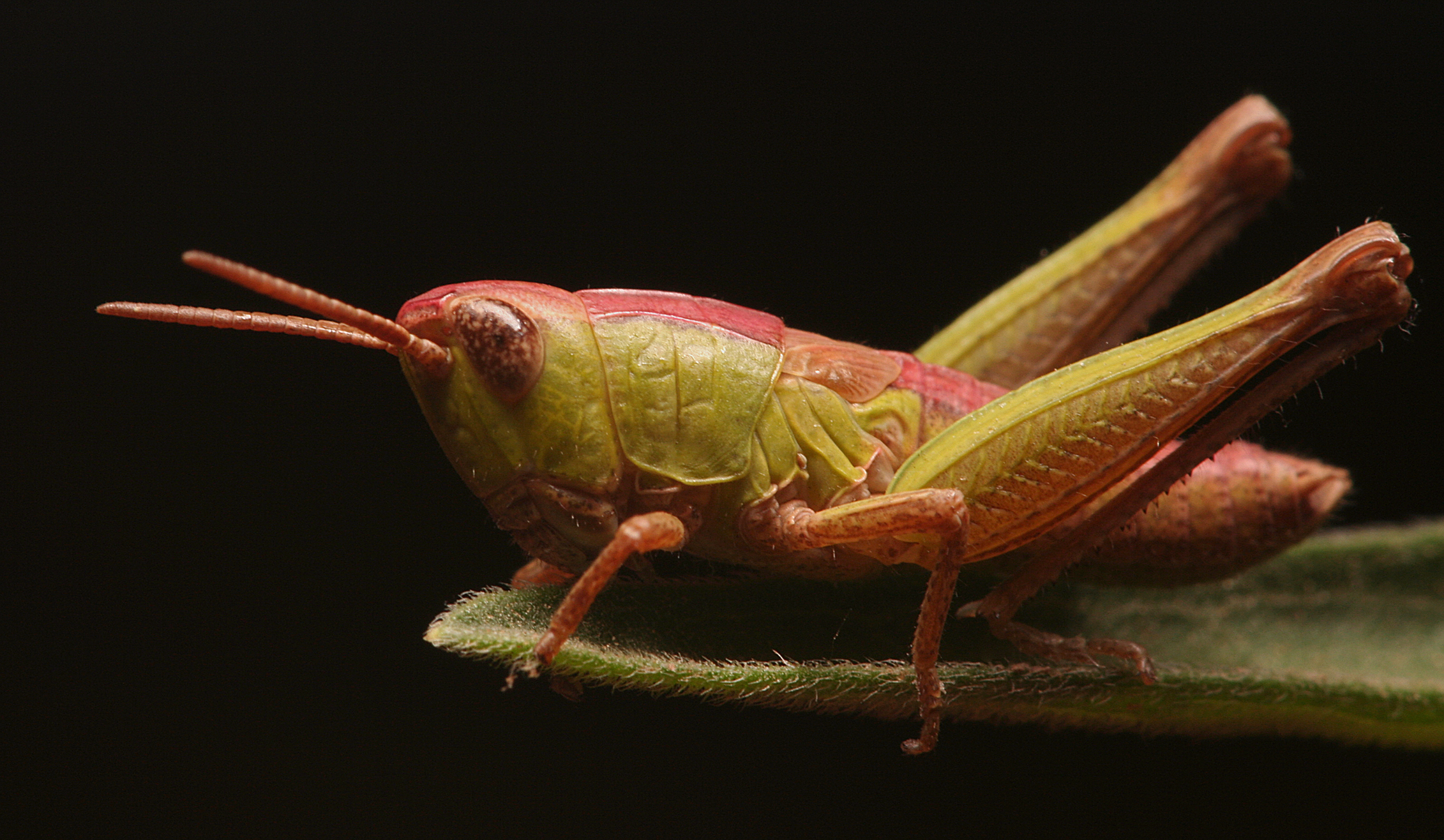
The species on the first, opening picture is the Gold Grasshopper(Chrysochraon dispar). This one is vividly green, but they come in many varieties, often yellow or in shades of brown, and even pink.
The lovely pink and green grasshopper on the second photograph is a very small, nymph of some species still unknown to me.
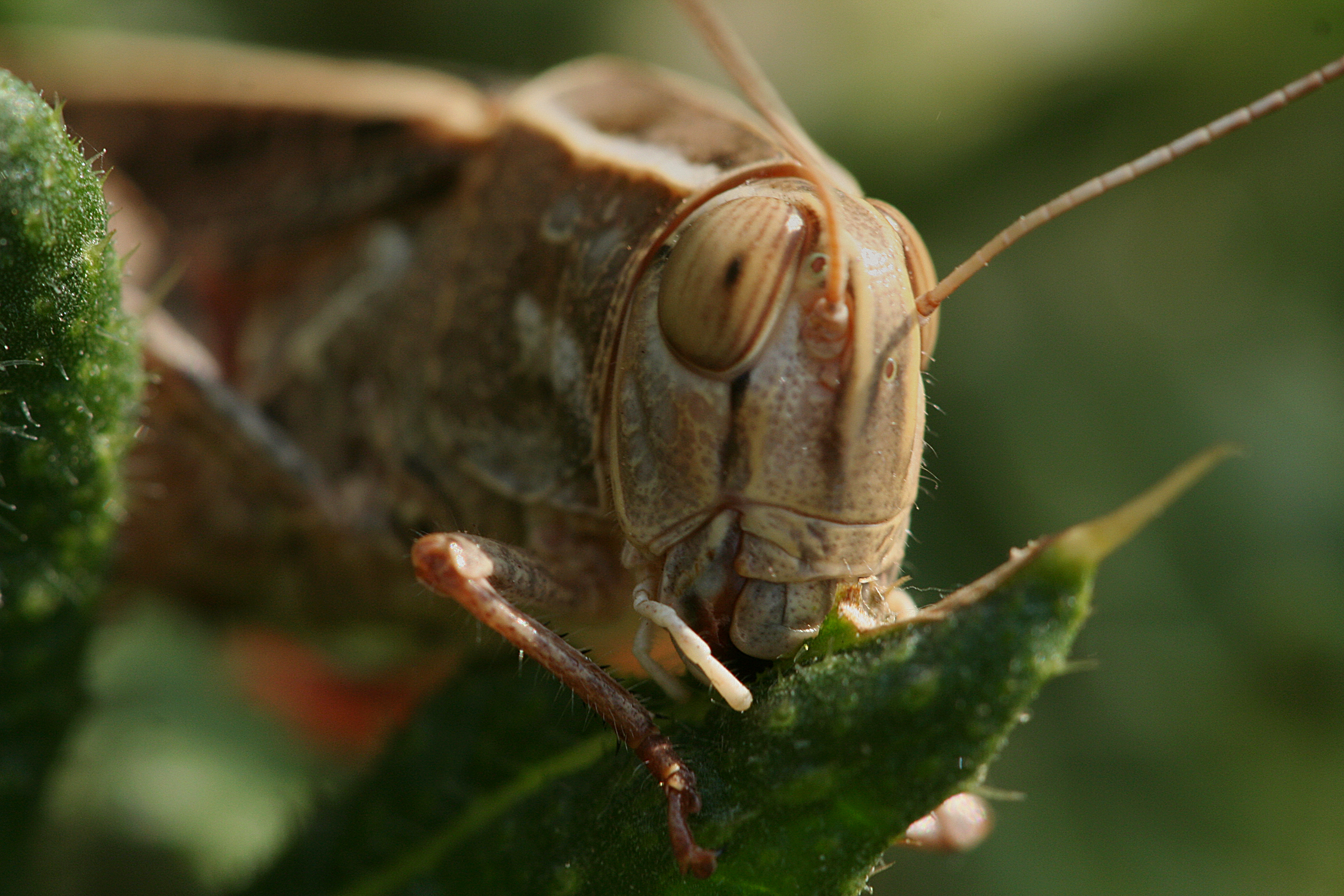
Grasshoppers are among what is probably the most ancient living group of chewing herbivorous insects, dating back to the early Triassic around 250 million years ago. Grasshoppers are plant-eaters with strong mandibles, able to chew and digest very resilient plant materials. On this photograph you can take an up close look at the Heteracris littoralis grasshopper feeding on some juicy coastal plant. This is a Mediterranean species that inhabits the coastal areas and often feeds on vegetation that grows in small "gardens" between the rocks near the sea.On the following photograph ...
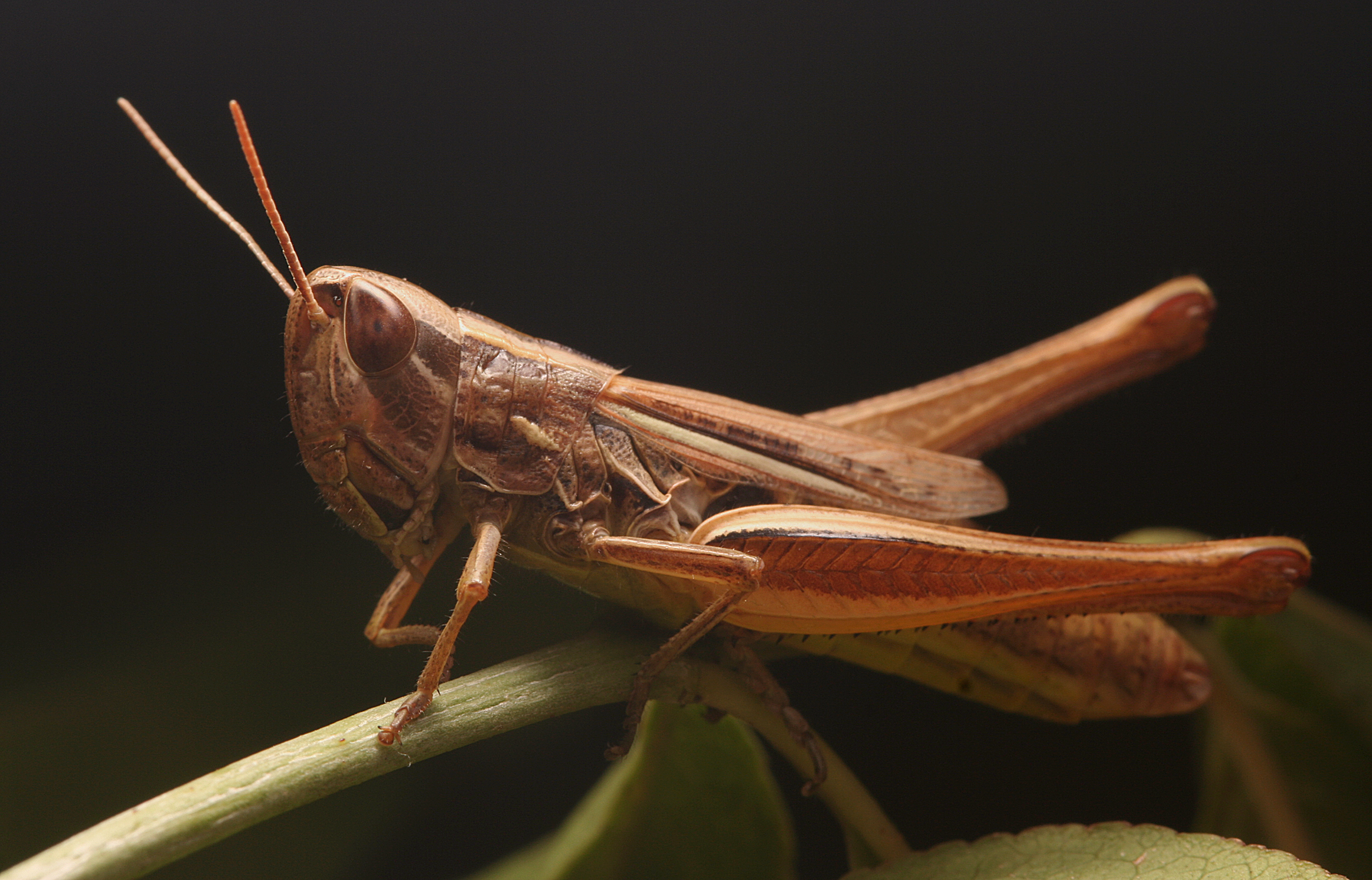
... is the very common grassland species, the Elegant Straw Grasshopper (Euchorthippus elegantulus) ... shaped and colored to be barely visible in the dried out summer grass.
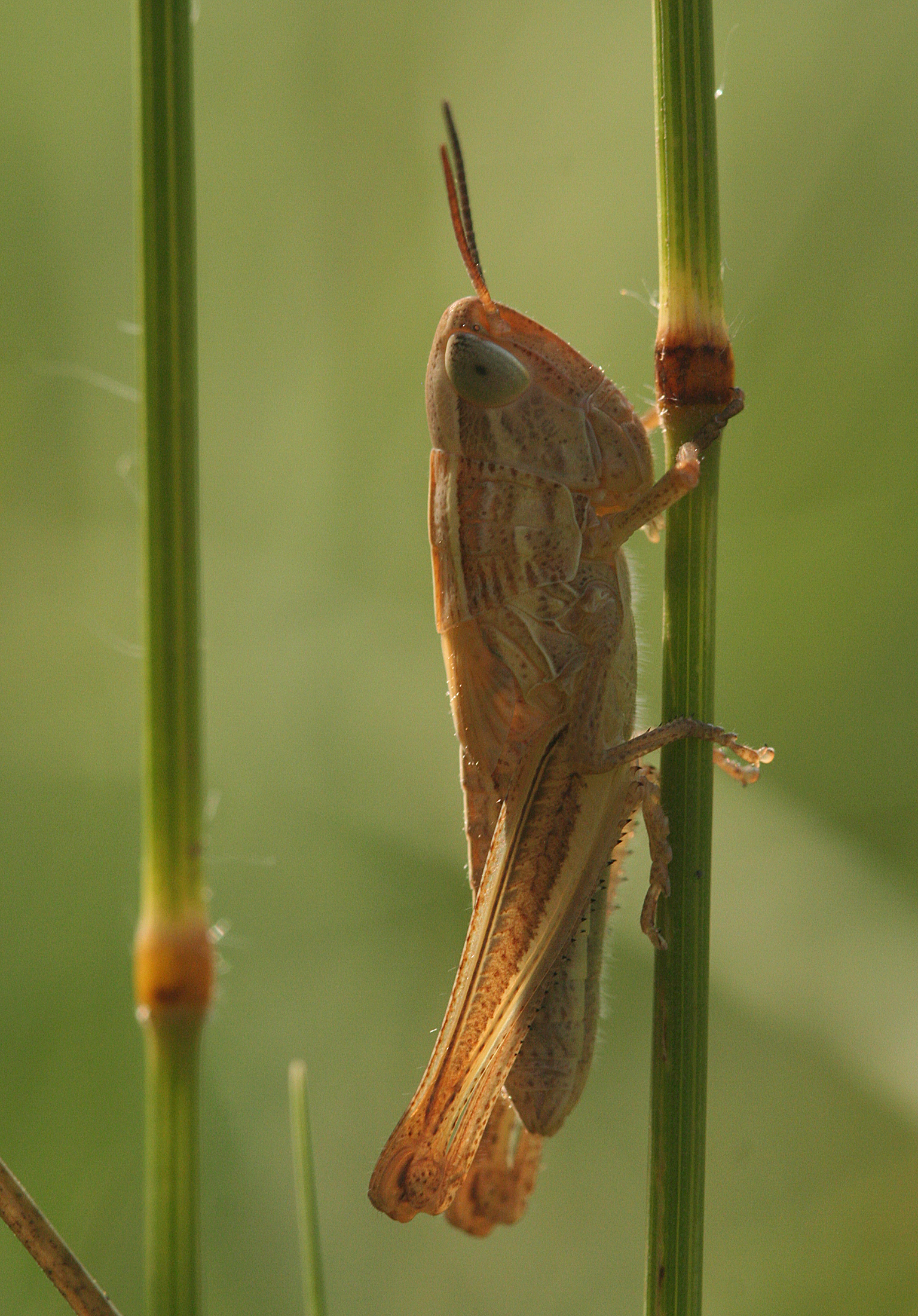
Here you can see a very young nymph of that species.
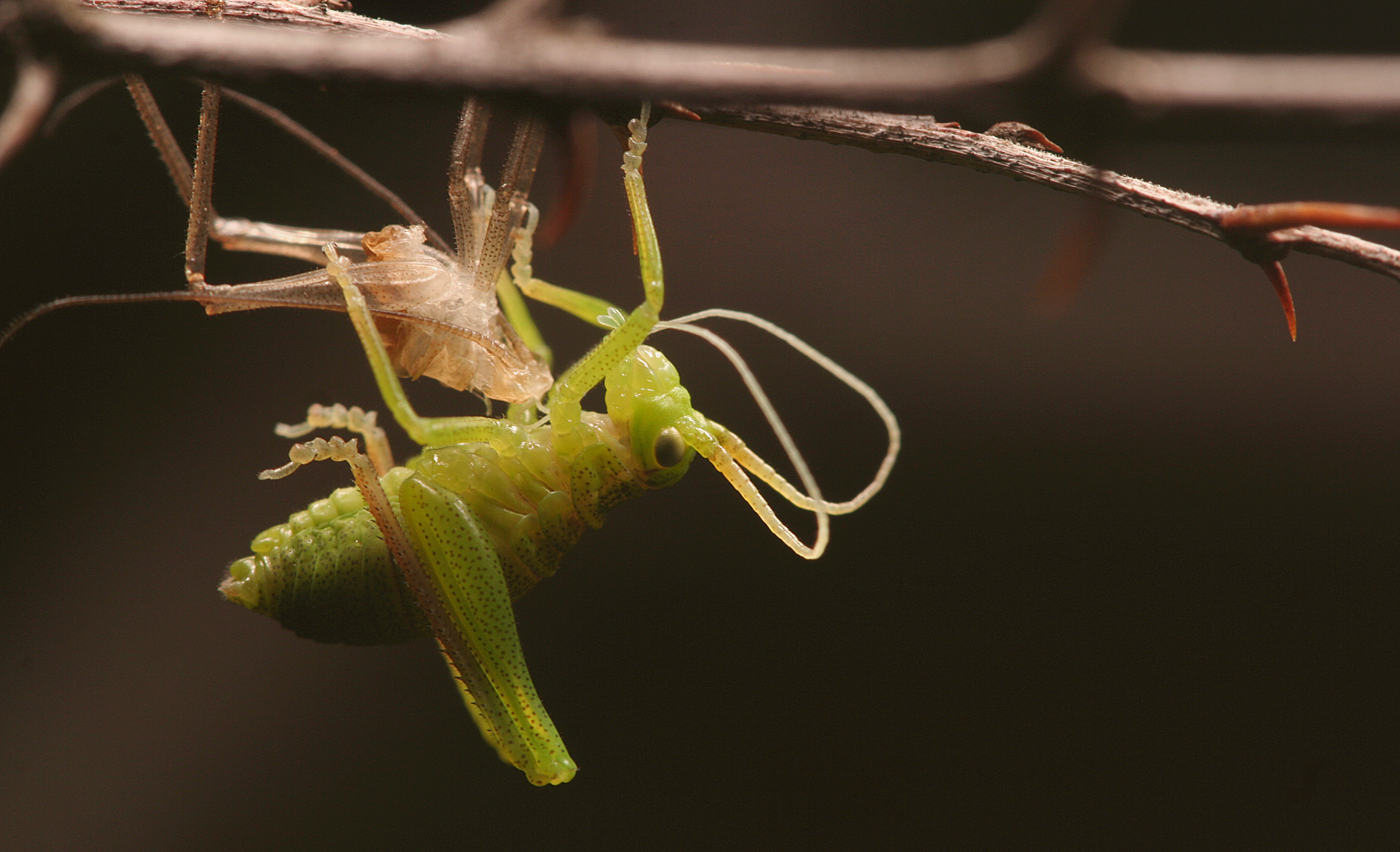
Grasshoppers do not undergo complete metamorphosis; they hatch from an egg into a nymph which undergoes five molts, becoming more similar to the adult insect at each developmental stage. On this photograph you can see one of those changing moments, the young Common Sickle Bush-cricket (Phaneroptera falcata) nymph just exited the old skin.
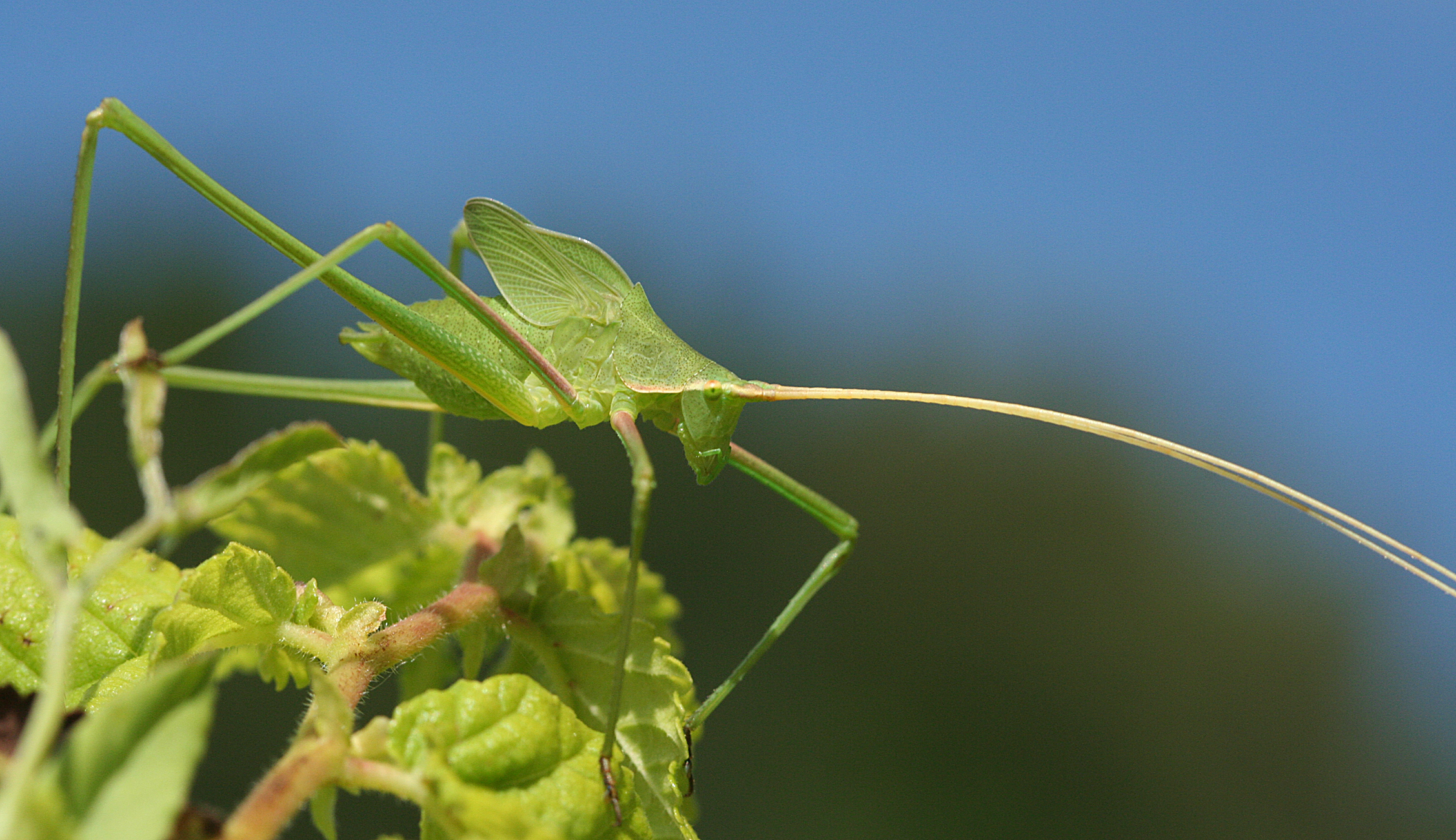
Here is the very elegant ... and elegantly camouflaged Acrometopa servillea. A bush - cricket species.
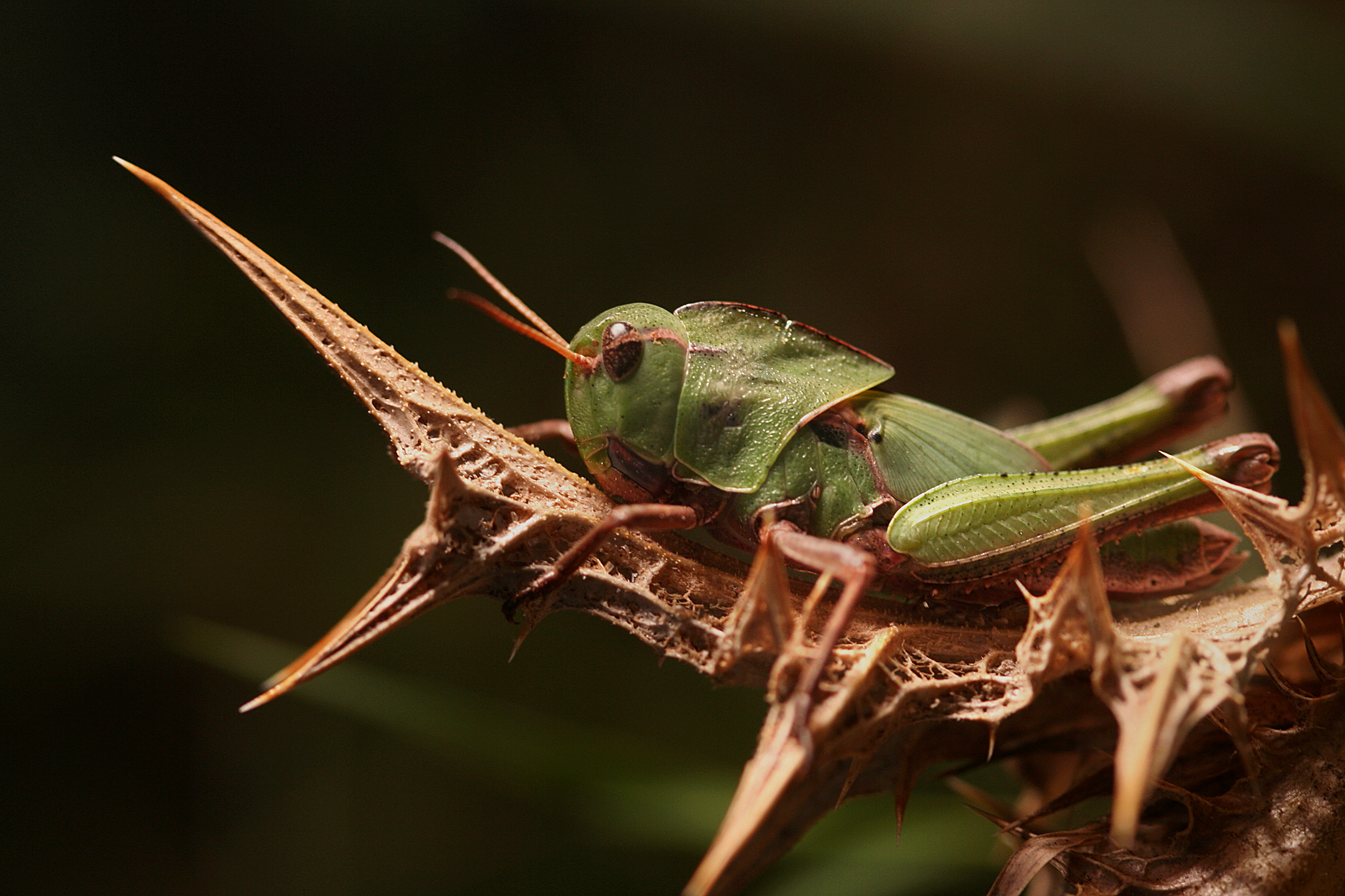
On this photograph you can see a young Migratory locust (Locusta migratoria) resting on the dried out Scolymus hispanicus plant, protected by its thorns.
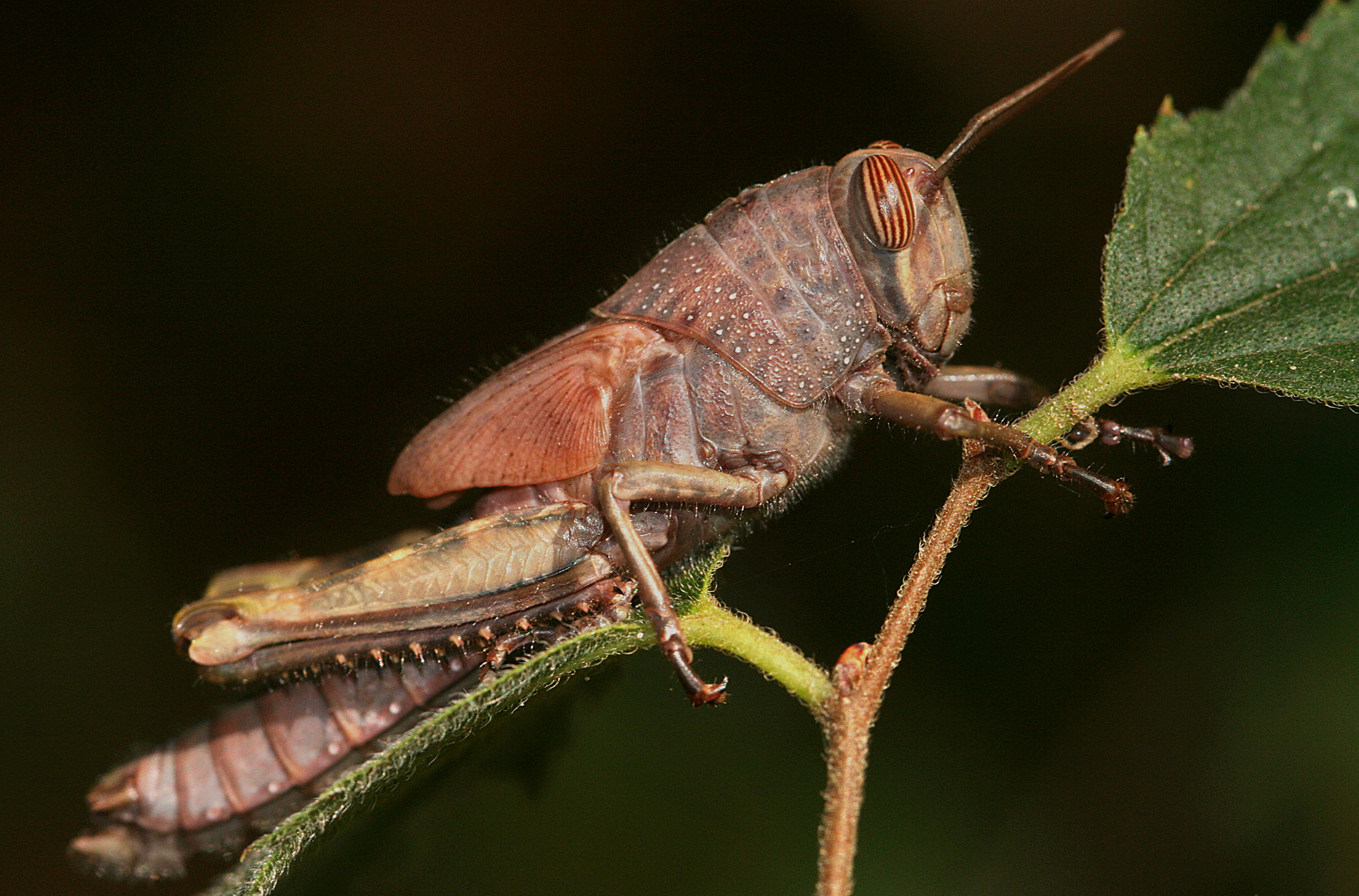
This is the pretty large Anacridium aegyptium grasshoper ... and now ...
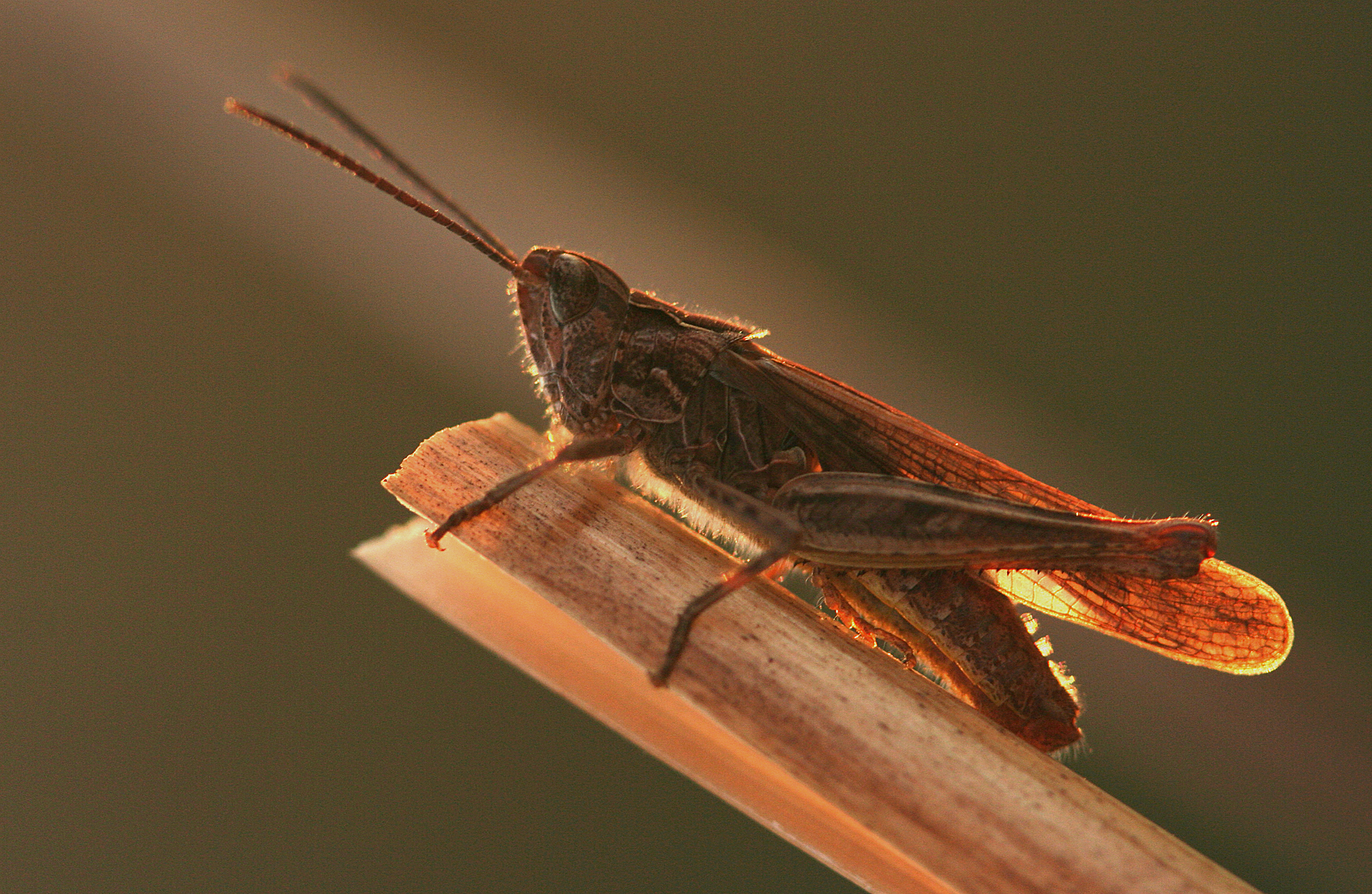
... with this closing shot of the Common Field Grasshopper (Chorthippus brunneus) ... is time to end this collection for the Qurator contest ... as always in these posts on Hive, all the photographs are my work ... and they are made with the CANNON EOS 350 - D camera , the 100 mm macro lens and the Macro Ring Lite external flash.