
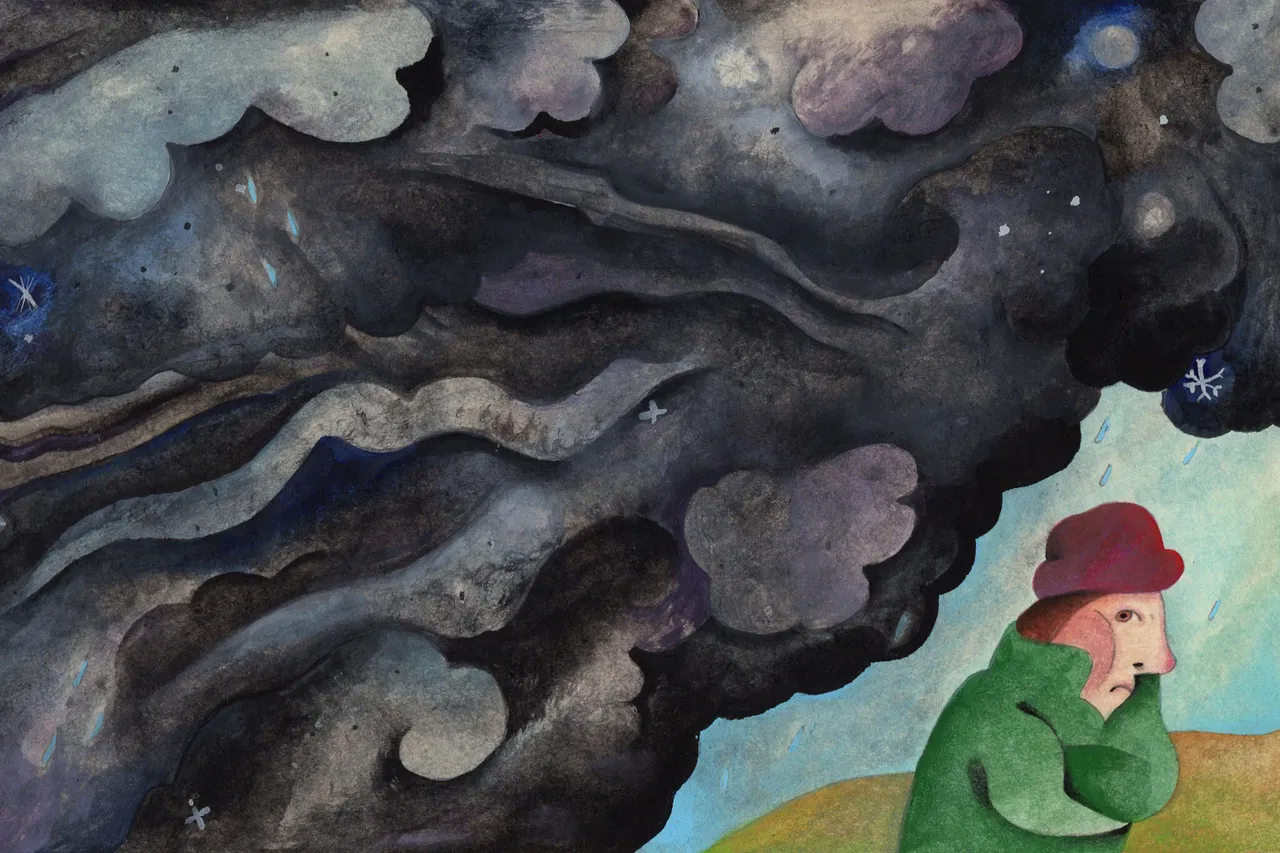
Seasonal affective disorder (SAD) is a type of depression that occurs during certain seasons of the year, typically during the fall and winter months. It is thought to be caused by a combination of factors, including reduced sunlight exposure and changes in the levels of certain chemicals in the brain.
Symptoms of SAD may include feelings of sadness, hopelessness, and a lack of energy; changes in appetite and sleep patterns; and difficulty concentrating. These symptoms can interfere with a person's ability to function and can negatively impact their quality of life.
There are several treatment options for SAD. One of the most common treatments is light therapy, which involves sitting in front of a light box that emits a bright, artificial light for a set amount of time each day. The light is thought to mimic the effects of natural sunlight on the brain, helping to regulate mood and improve symptoms.
Another treatment option is medication. Antidepressants, such as selective serotonin reuptake inhibitors (SSRIs), can help to balance the levels of certain chemicals in the brain and improve symptoms of SAD.
In addition to medication and light therapy, other treatment options for SAD may include talk therapy, such as cognitive behavioral therapy (CBT), which can help a person identify and change negative thought patterns that may be contributing to their symptoms.
It is important to note that not all treatments work for everyone, and it may take some trial and error to find the right treatment plan. It is also important to consult with a healthcare provider before starting any new treatment.
SAD is a type of depression that occurs during certain seasons of the year. It is treated with a combination of light therapy, medication, and talk therapy. It is important to work with a healthcare provider to find the right treatment plan.